
Why Battery Type Matters More Than People Think
When choosing a home solar battery system, most users focus only on capacity (kWh). However, the physical system type is just as important as storage size.
Different battery structures affect:
- Installation flexibility
- System scalability
- Maintenance convenience
- Long-term performance
- Cost efficiency
👉 Choosing the wrong type can limit your entire energy system even if the battery capacity is sufficient.
The Three Main Types of Home Energy Storage Batteries
Today’s home energy storage systems generally fall into three categories:
Rack-Mounted Battery Systems (Server Rack Batteries)
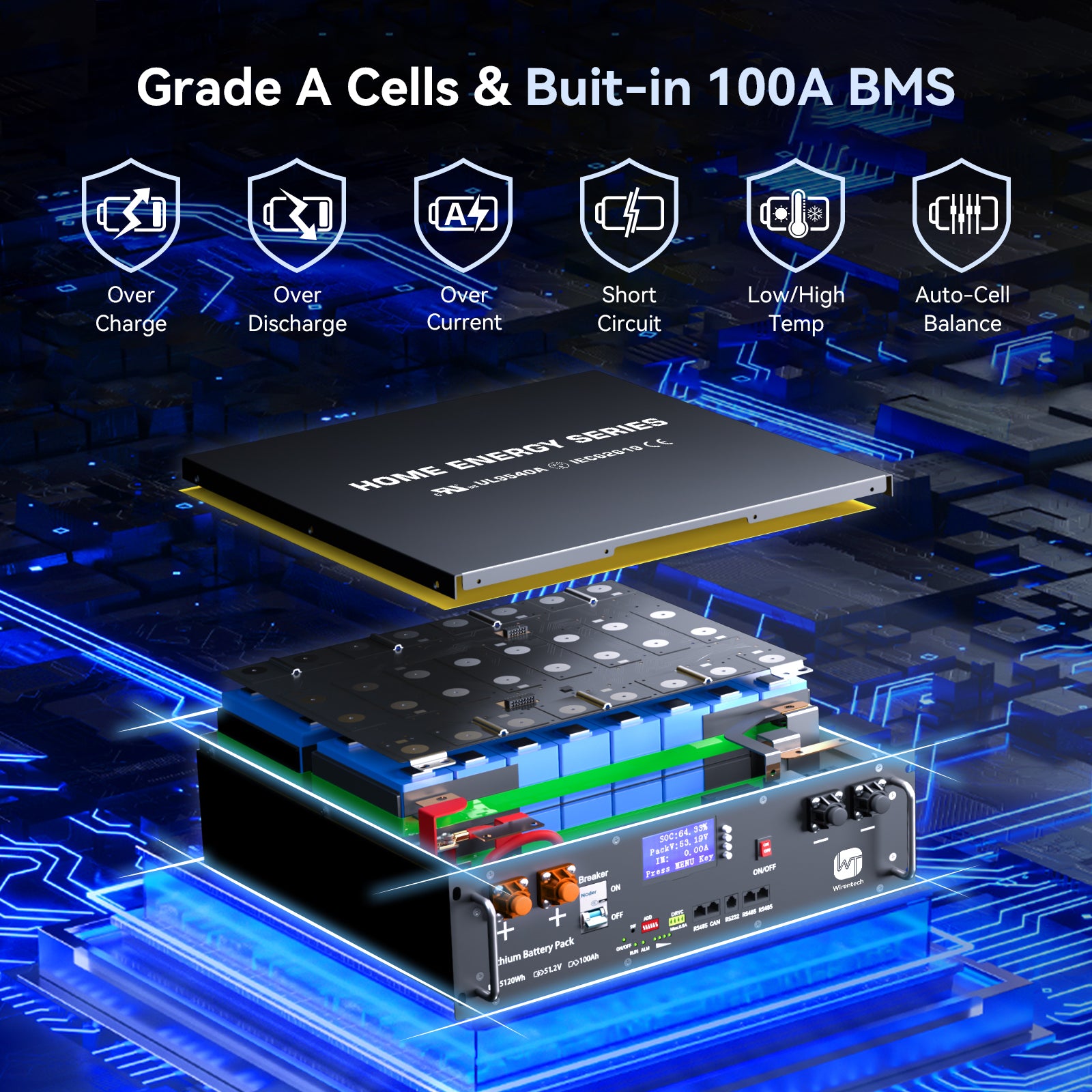
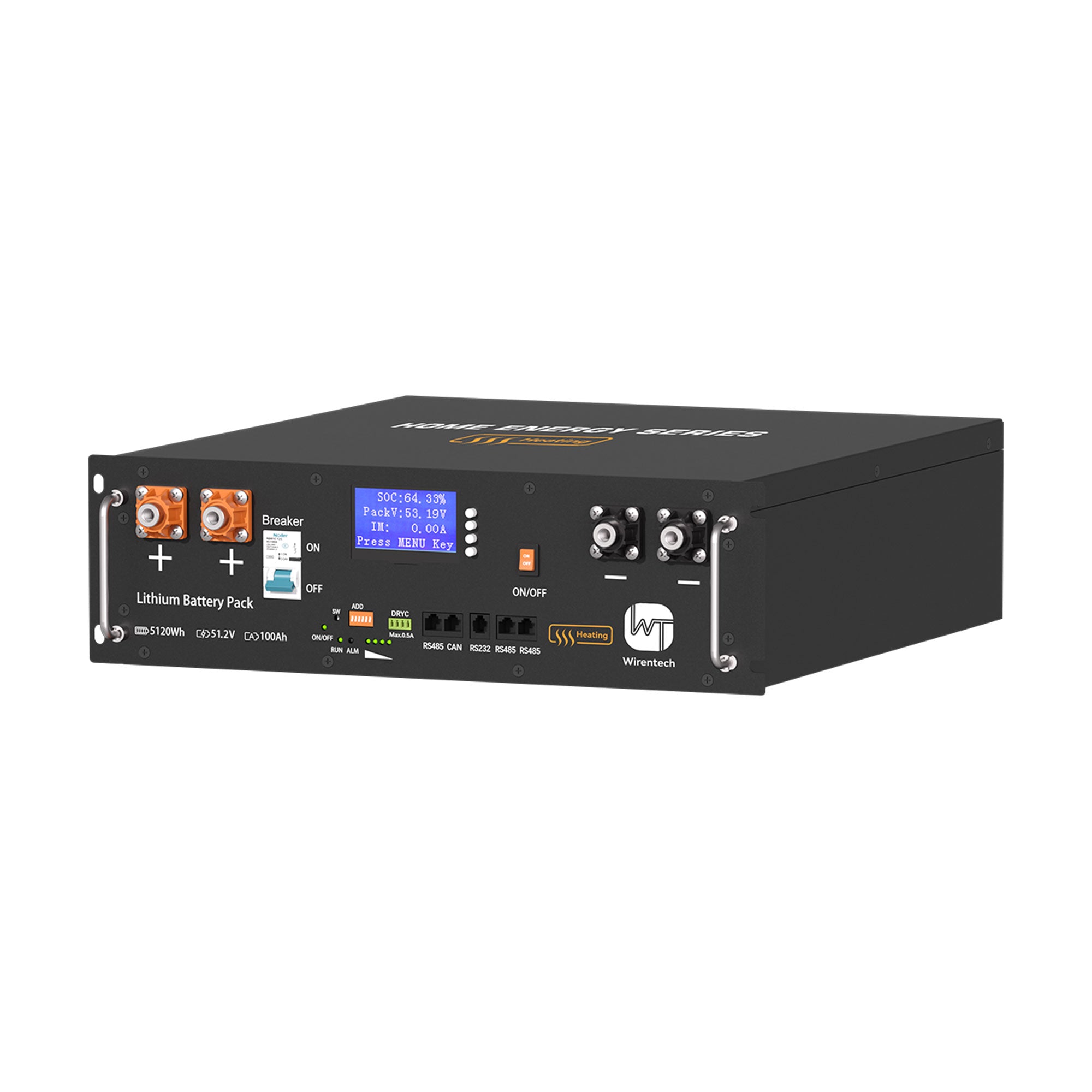
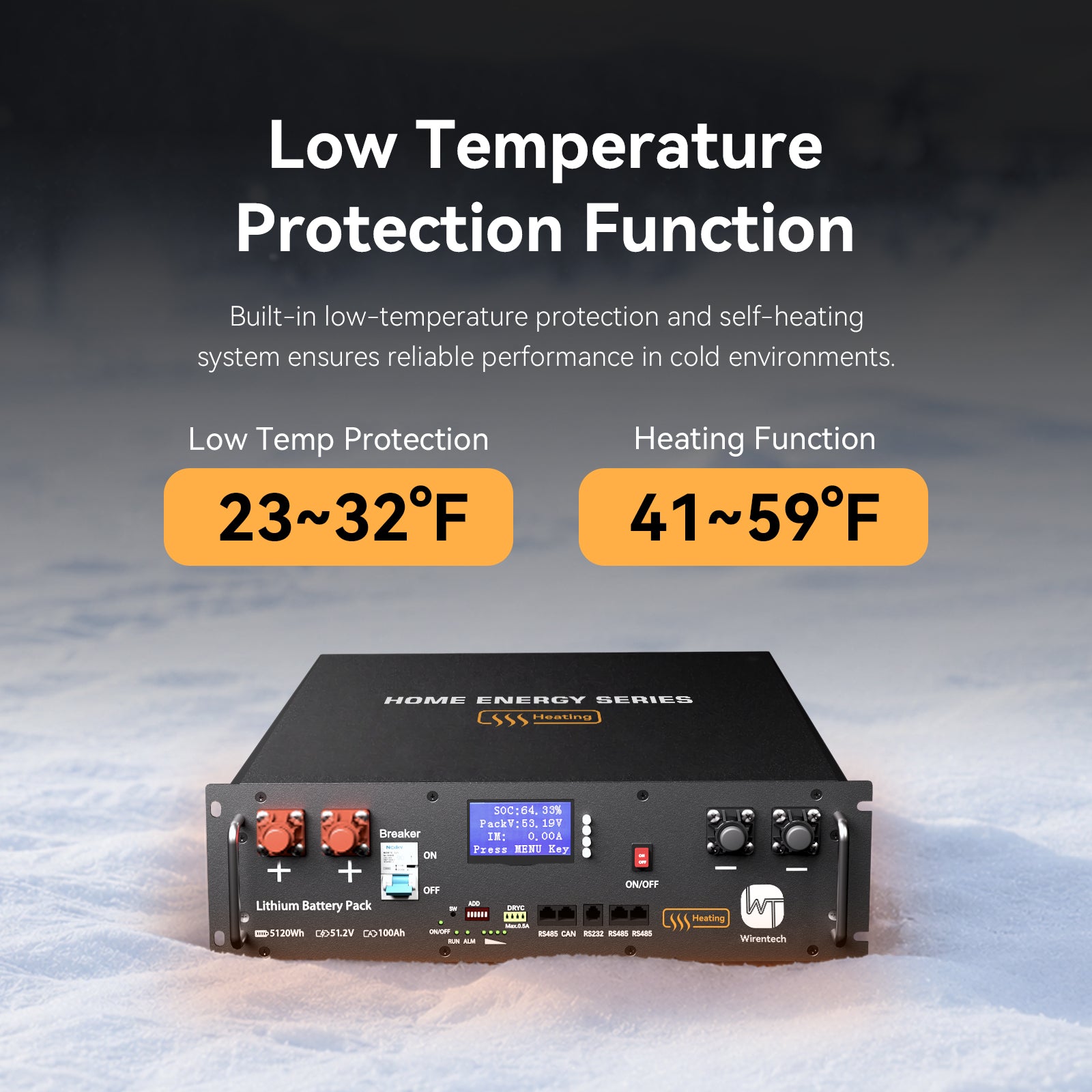
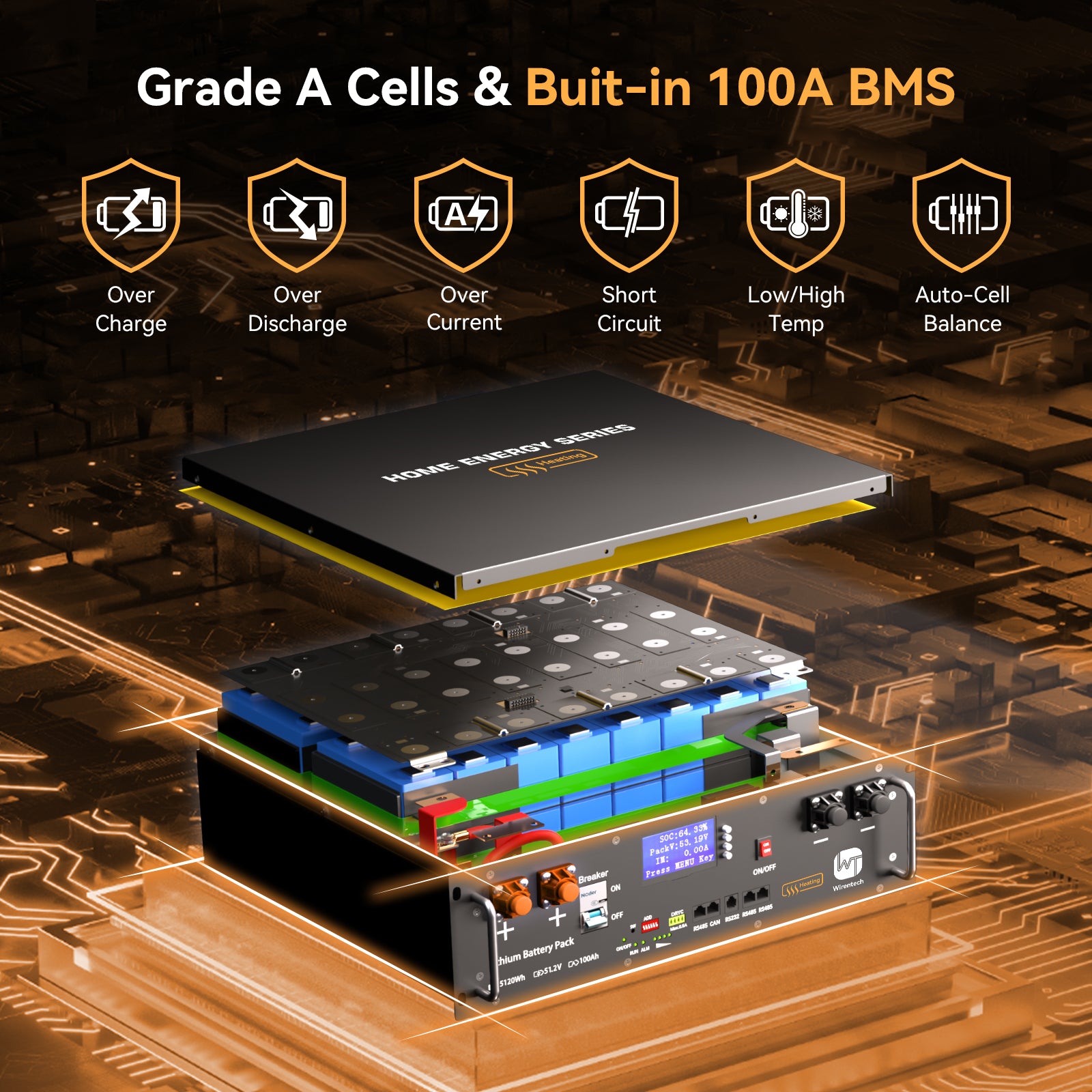
Rack-mounted systems are modular lithium battery units designed for scalable energy storage.

Key characteristics:
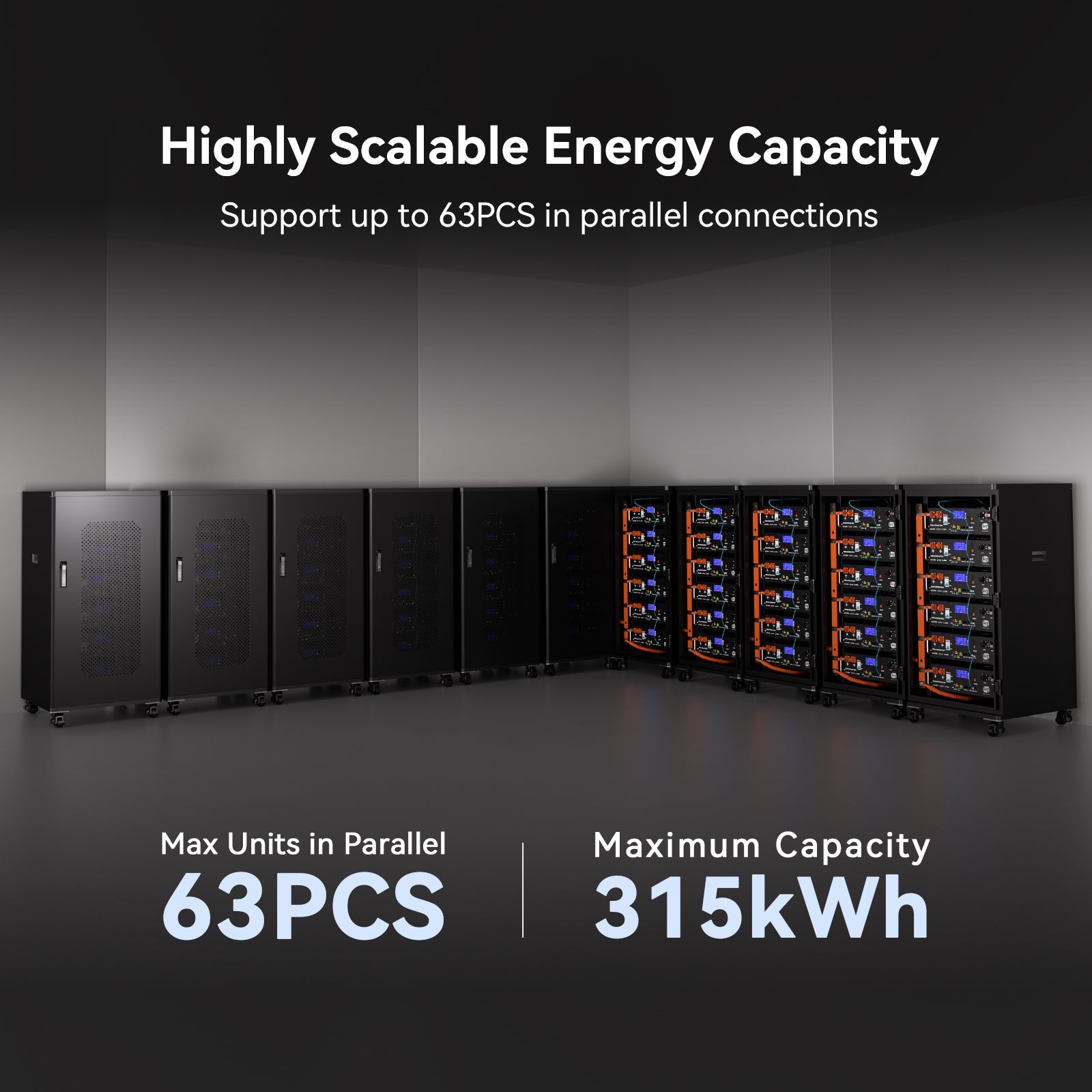
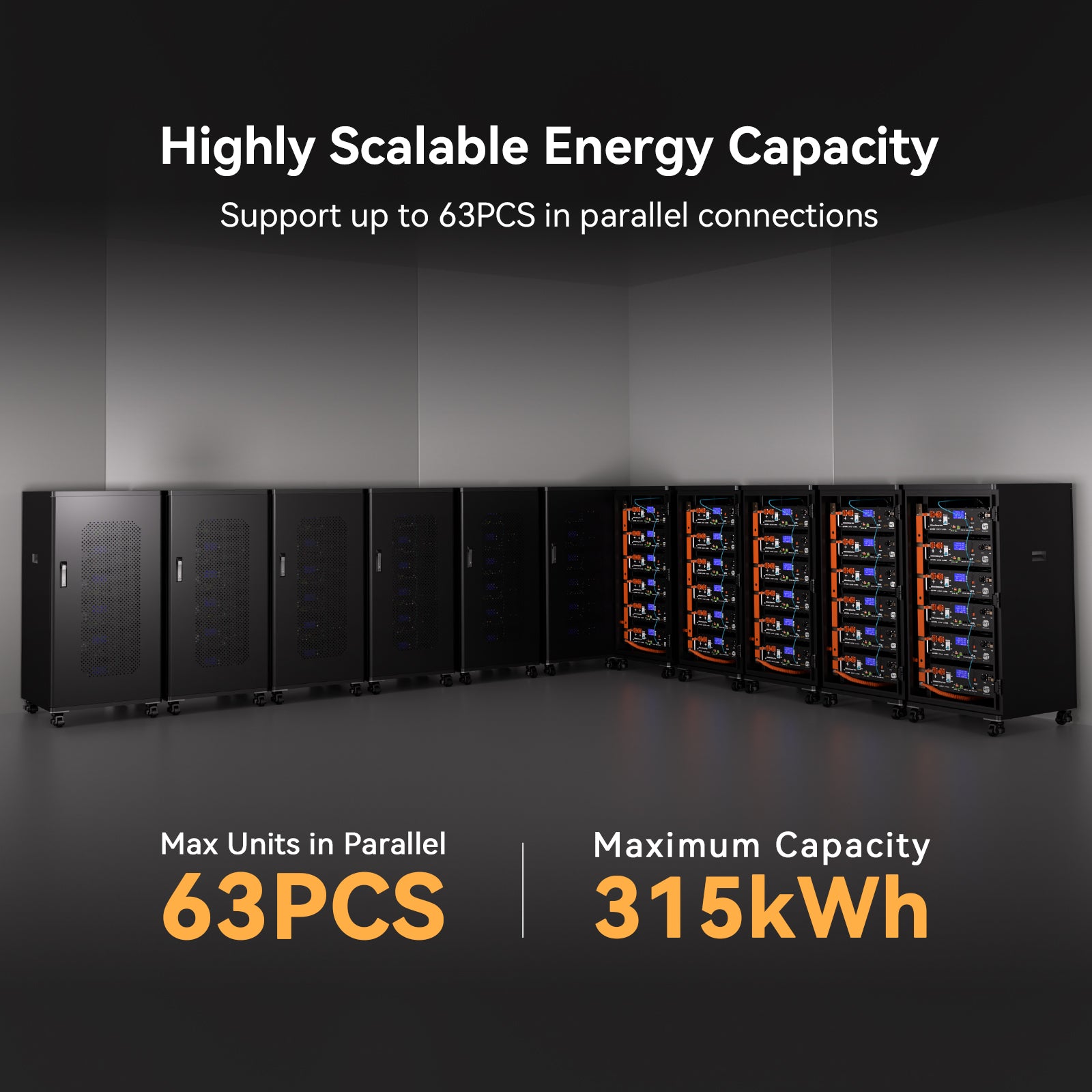
- Modular design (stackable capacity expansion)
- Standard 48V / 51.2V LiFePO4 systems
- Installed in racks or cabinets
- High compatibility with hybrid inverters
Advantages:
- Easy to expand capacity over time
- Clean and organized installation
- Ideal for DIY solar systems
- Strong compatibility with off-grid setups
Limitations:
- Requires dedicated installation space
- Not the most compact option visually
👉 Best for users who want flexible expansion and system control
Wall-Mounted Battery Systems
Wall-mounted batteries are integrated energy storage units fixed directly to a wall.

Key characteristics:
- Compact all-in-one design
- Built-in BMS and inverter compatibility
- Aesthetic home installation (indoor use)
Advantages:
- Saves floor space
- Clean residential appearance
- Easy installation for small systems
Limitations:
- Limited expandability
- Harder to scale into large systems
- Usually higher cost per kWh
👉 Best for users who prioritize space saving and home aesthetics
Modular Stackable Battery Systems
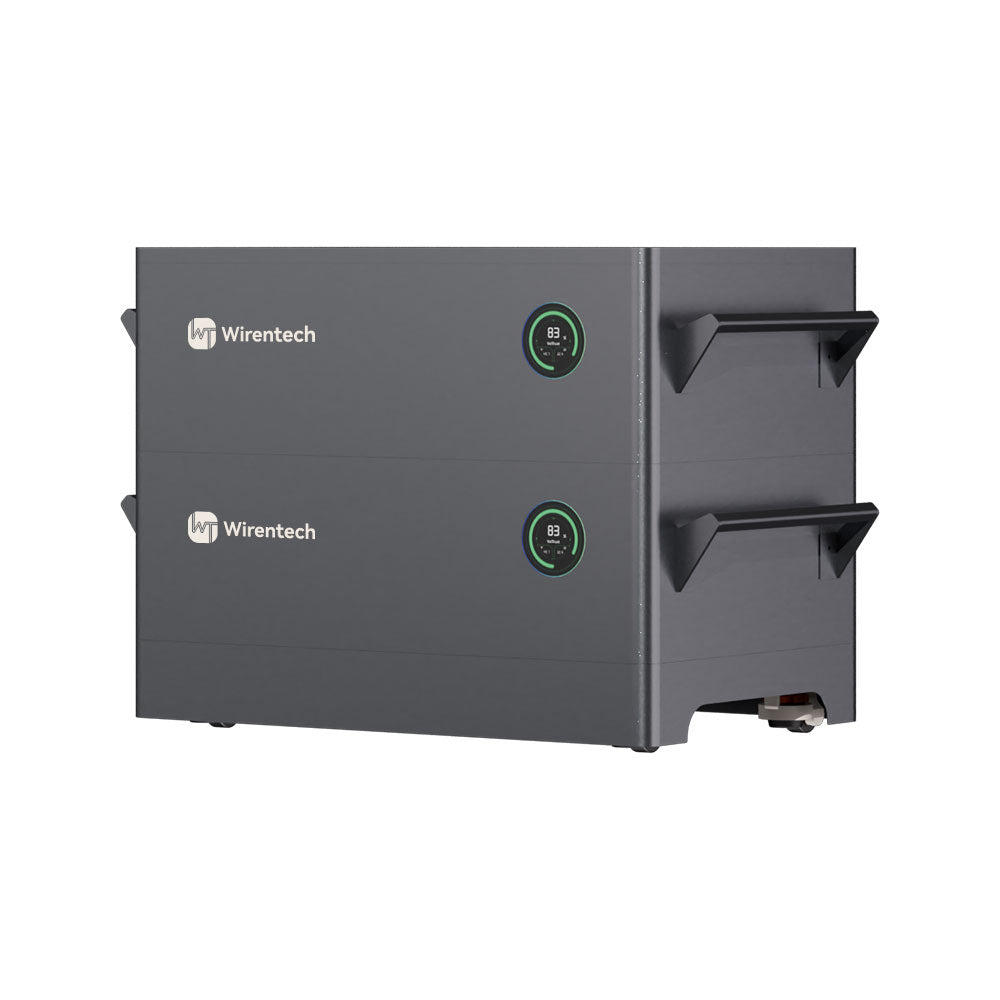
Modular stack systems sit between rack and wall-mounted designs.

Key characteristics:
- Floor-stacked modular blocks
- Flexible capacity expansion
- Hybrid design between rack and wall systems
Advantages:
- Easy to expand like rack systems
- Cleaner appearance than rack systems
- Flexible installation options
Limitations:
- Less standardized than rack systems
- Compatibility depends on brand ecosystem
👉 Best for users who want balance between scalability and design
Which Battery Type Is Best for Home Solar Systems?
There is no single “best” option. The right choice depends on your usage scenario.
Choose Rack-Mounted Systems if:
- You plan to expand your system over time
- You want lower cost per kWh
- You are building a DIY solar setup
- You need high inverter compatibility
Choose Wall-Mounted Systems if:
- You have limited installation space
- You prefer clean residential appearance
- You only need small to mid-size storage
Choose Modular Systems if:
- You want flexibility with better aesthetics
- You may expand later but want a cleaner setup
- You prefer semi-integrated solutions
Common Mistakes When Choosing Battery Types
❌ Mistake 1: Choosing based only on appearance
Aesthetic design does not guarantee system performance or scalability.
❌ Mistake 2: Ignoring expansion needs
Many users start small but later need more capacity.
👉 Rack systems are better for long-term expansion.
❌ Mistake 3: Not considering inverter compatibility
Not all wall-mounted or modular systems work with all hybrid inverters.
❌ Mistake 4: Mixing different system types
Combining incompatible systems can lead to:
- Communication errors
- Reduced efficiency
- BMS conflicts
Real-World System Selection Guide
Small homes or apartments
- Wall-mounted systems
- 5–10 kWh range
Standard residential homes
- Modular systems or small rack systems
- 10–15 kWh range
Large homes or off-grid systems
- Rack-mounted systems
- 20–30+ kWh expandable setups
How Battery Type Impacts System Performance
Battery type does NOT change energy capacity directly, but it affects:
- Expansion capability
- Installation efficiency
- System lifespan management
- Upgrade flexibility
👉 In long-term solar systems, structure matters as much as capacity.
Conclusion: The Right Battery Type Depends on Your System Goals
Choosing a home battery system is not just about energy storage—it is about system design.
- Rack systems = scalability and flexibility
- Wall systems = compact and aesthetic design
- Modular systems = balanced hybrid solution
👉 The best choice is the one that matches your space, budget, and future expansion plan.


Share:
48V vs 51.2V LiFePO4 Battery: What’s the Real Difference?