Hybrid Inverters for Home, RV & Off-Grid Systems

Designed for stable power conversion across solar systems, RV travel, marine use, and home energy storage applications.

Power Output Matching

Choose the right inverter power (3.6–12kW) based on your home, RV, or off-grid load requirements.

Battery System Compatibility

Ensure full compatibility with LiFePO4 battery systems and different voltage configurations (12V/24V/48V).

Pure Sine Wave Stability

Provides clean and stable power for sensitive electronics, appliances, and energy storage systems.

Installation Flexibility

Designed for RVs, boats, and home energy systems with compact and efficient installation design.

Hybrid Energy Management

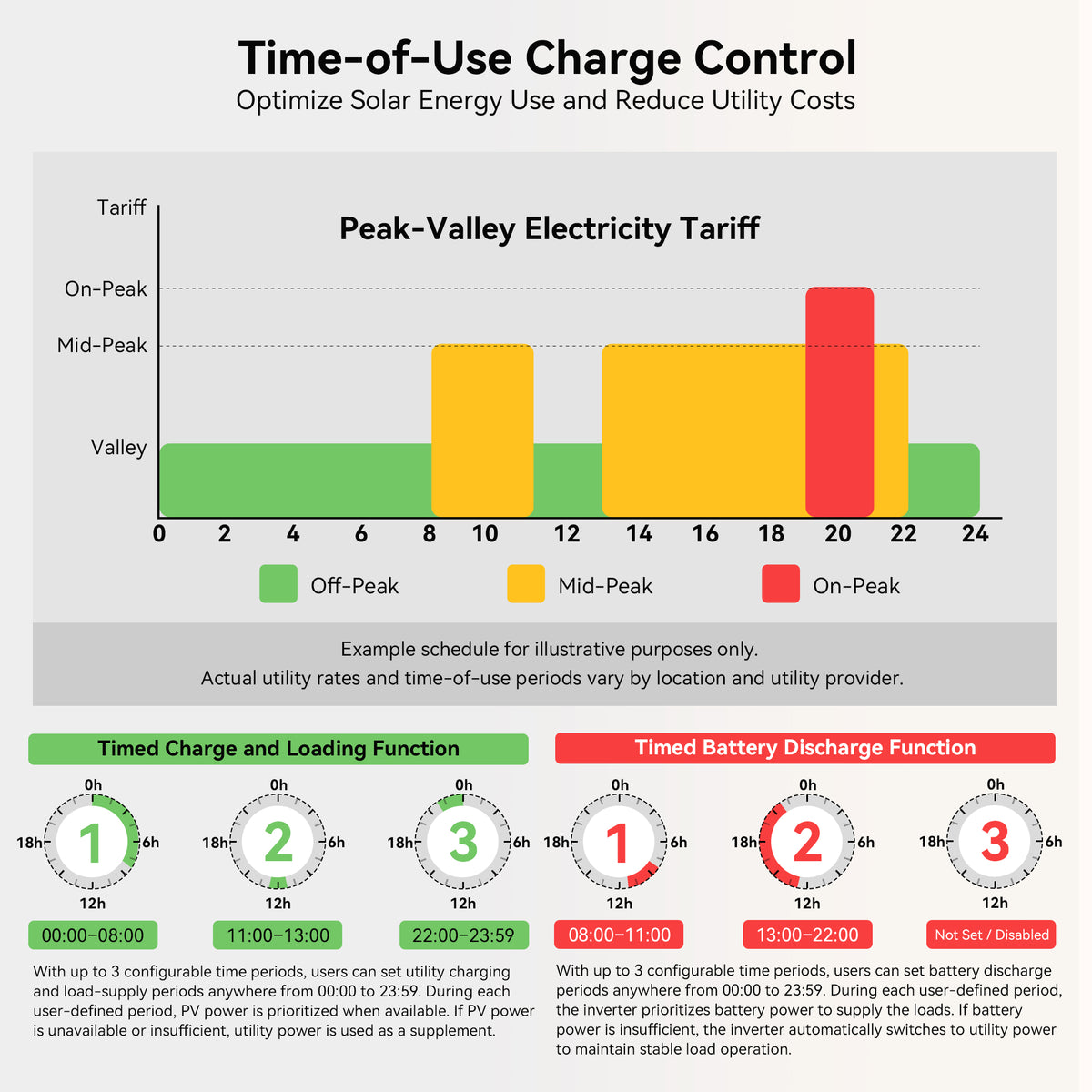
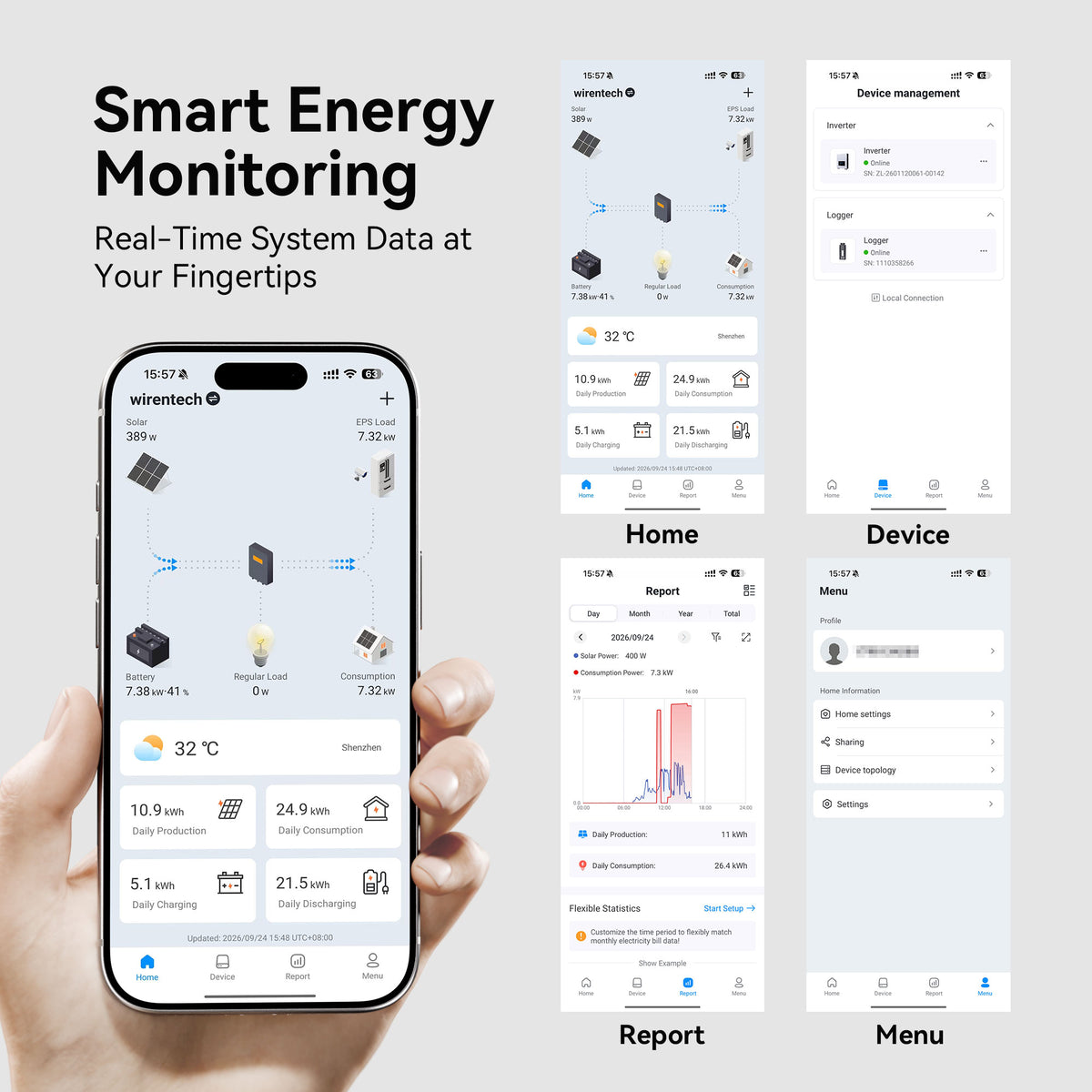
Supports solar, grid, and battery integration for uninterrupted power supply.

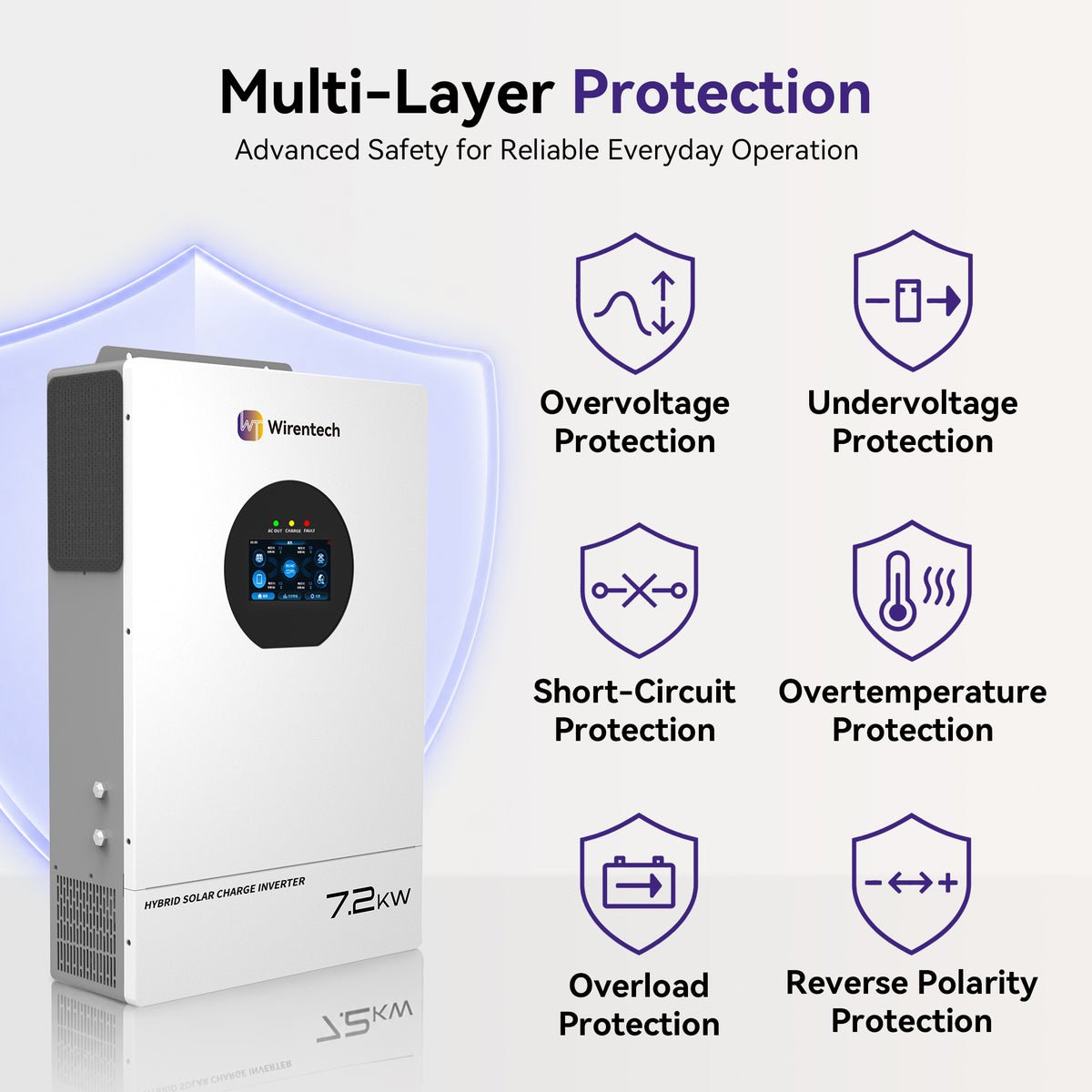
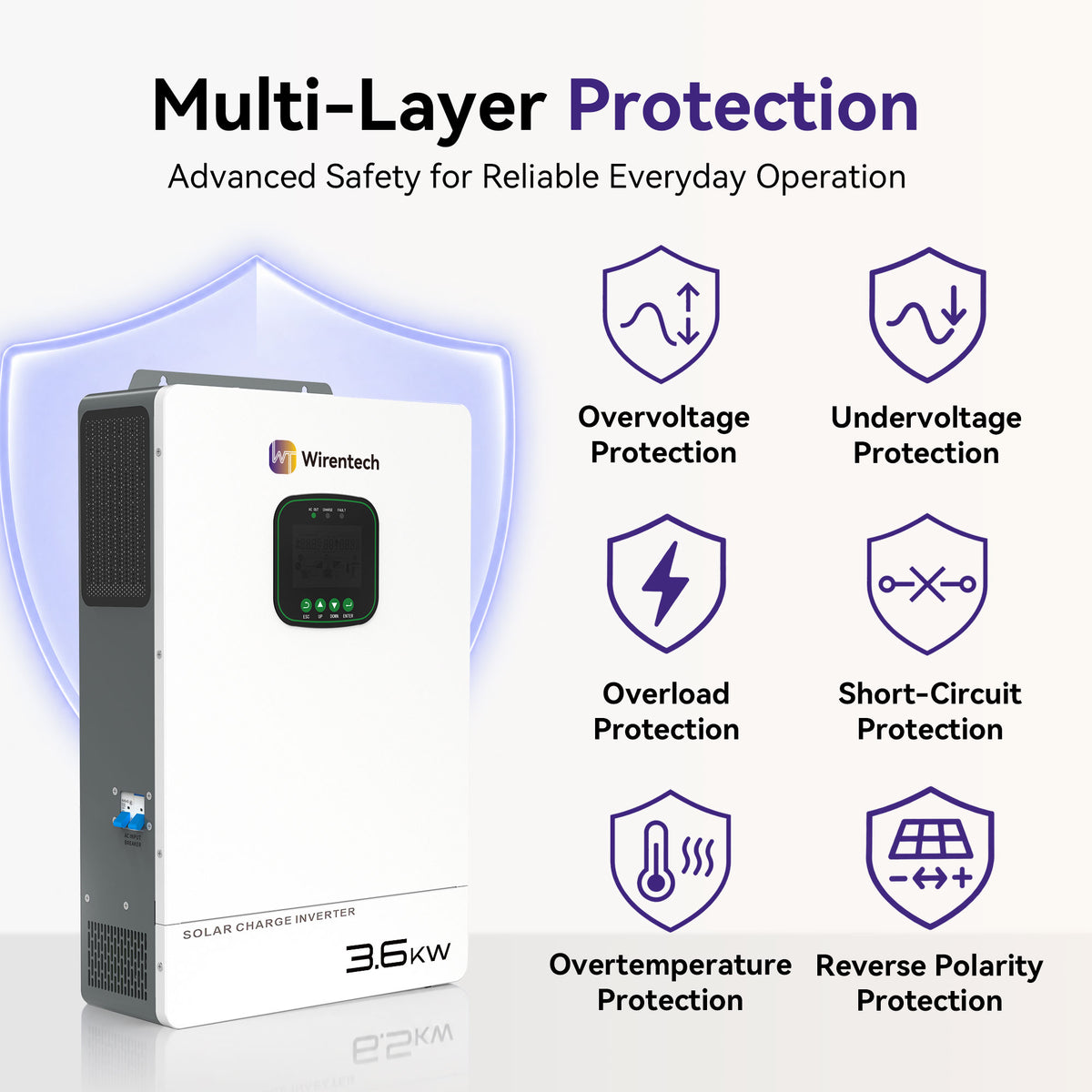
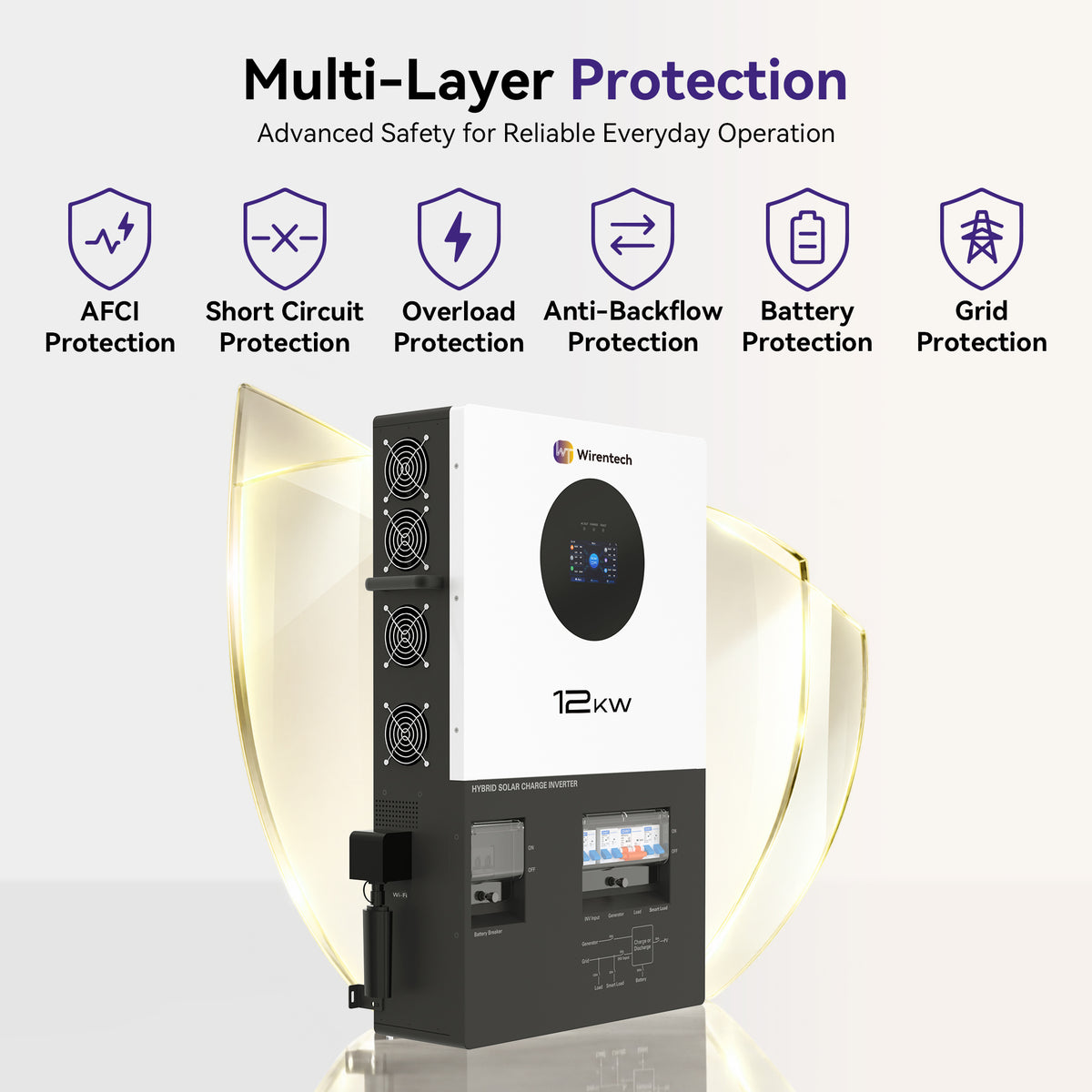
Safety & Protection System

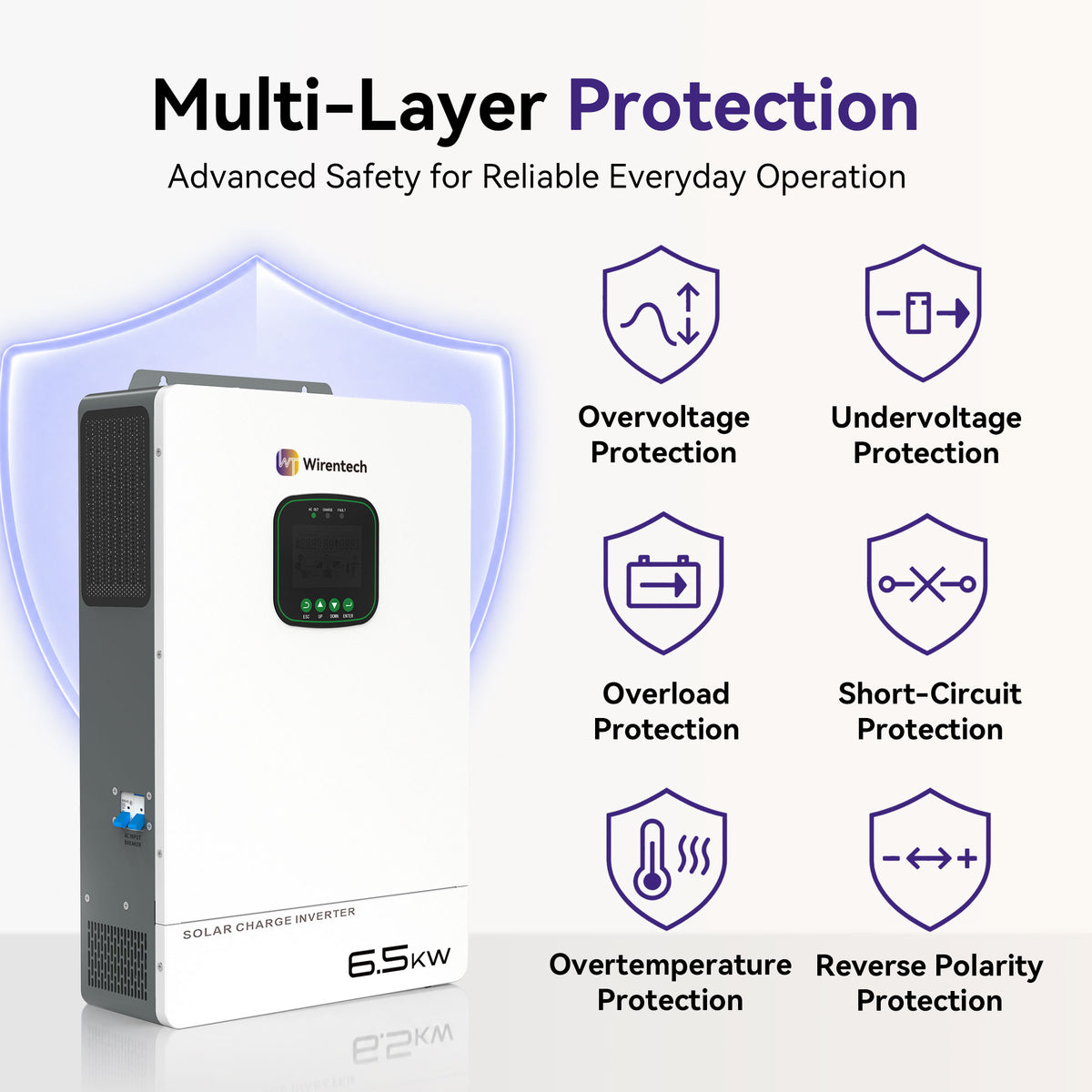
Built-in overload, short circuit, temperature, and surge protection for reliable long-term use.

Compare Inverters

Compare output, battery input, solar charging and expansion options across Wirentech hybrid inverter models

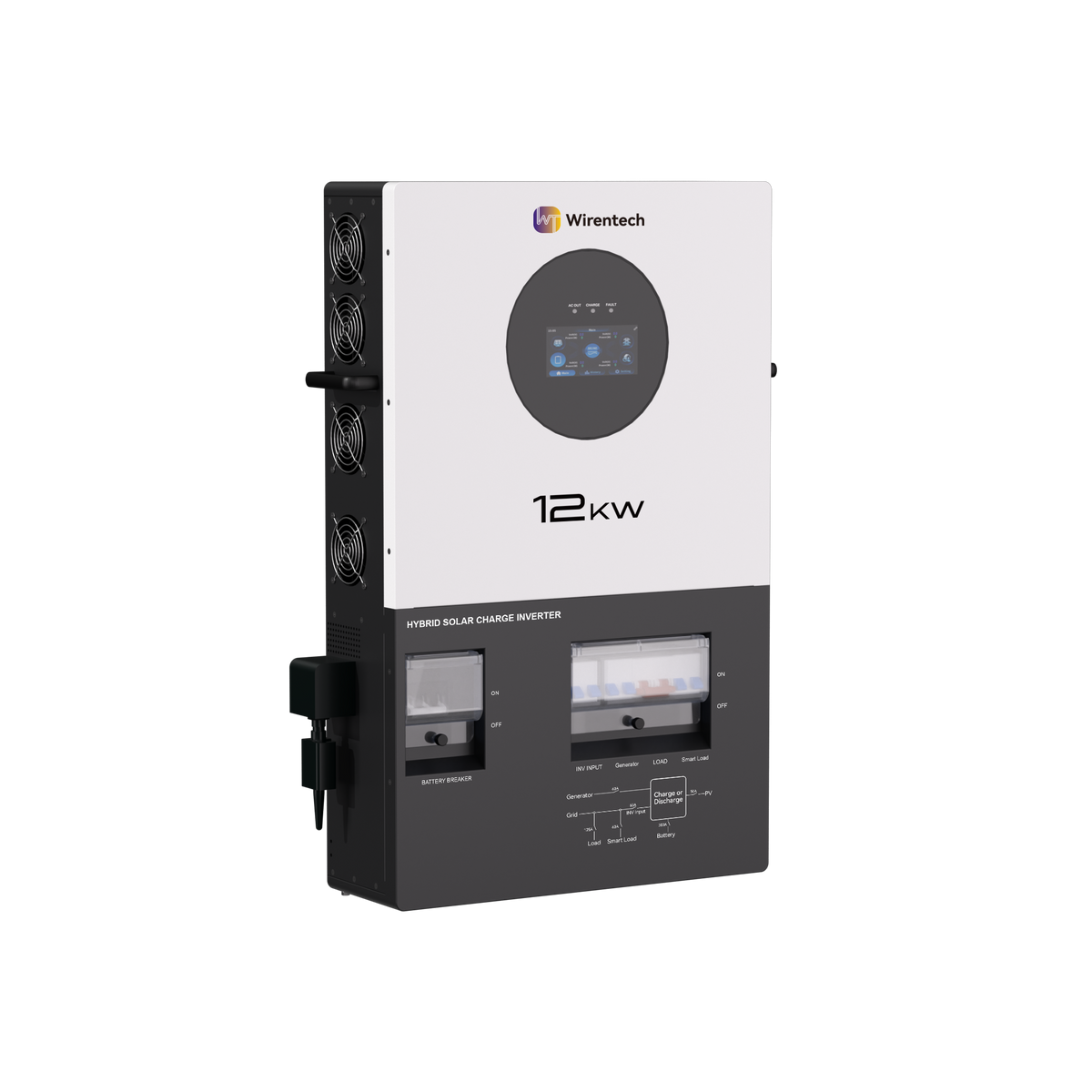
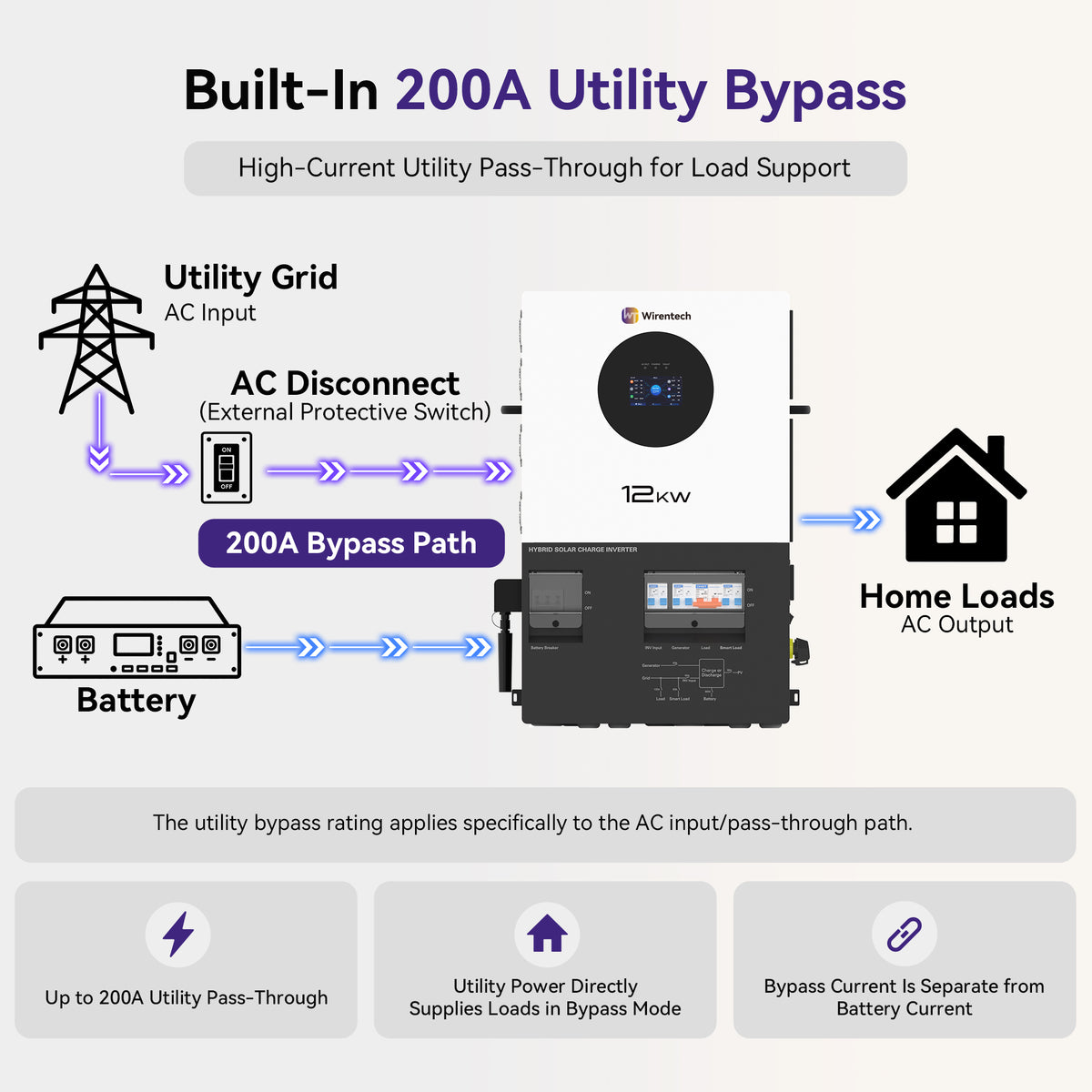
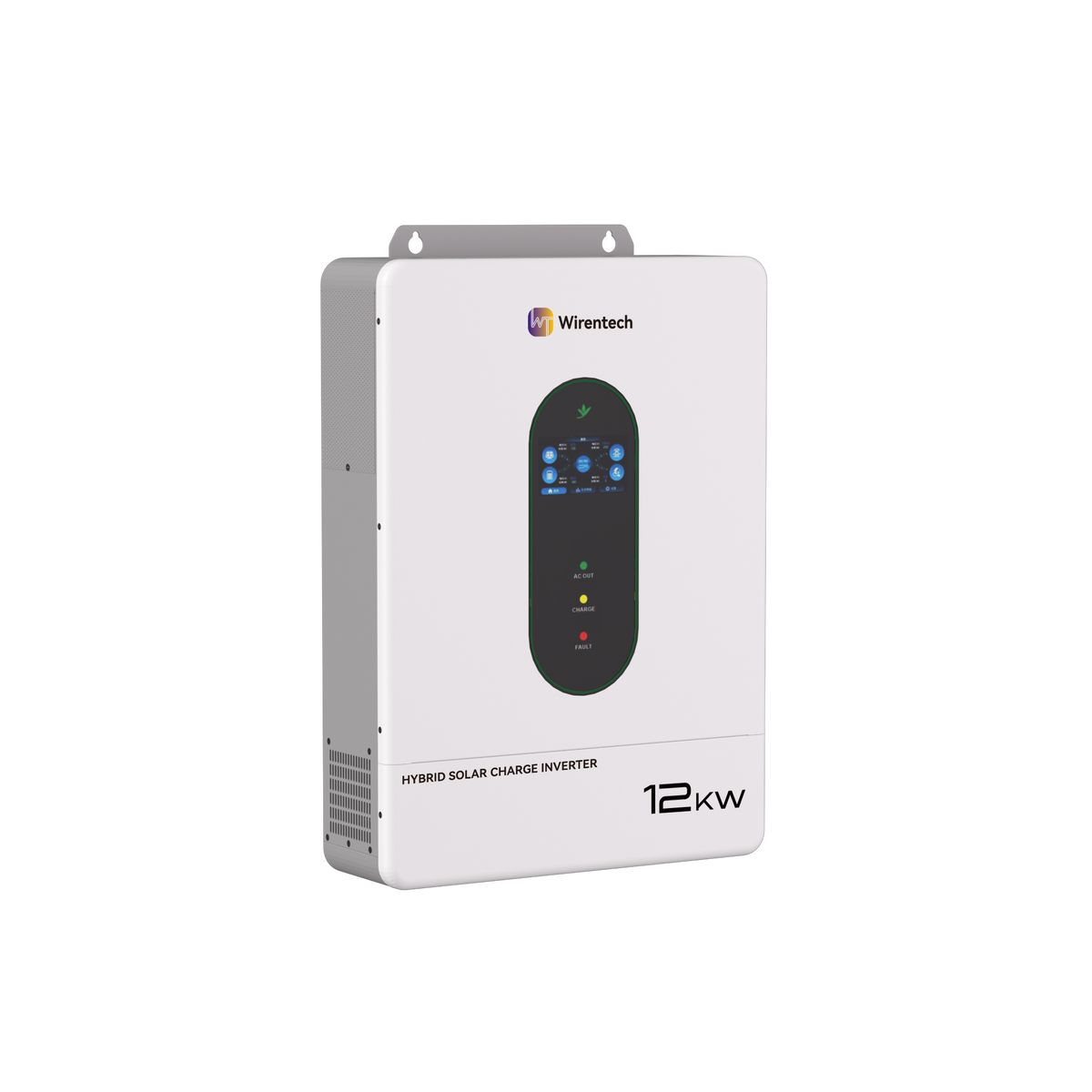
Wirentech 12kW hybrid solar inverter with 200A grid bypass for whole-home backup
Wirentech 12kW split-phase hybrid solar inverter for home energy storage
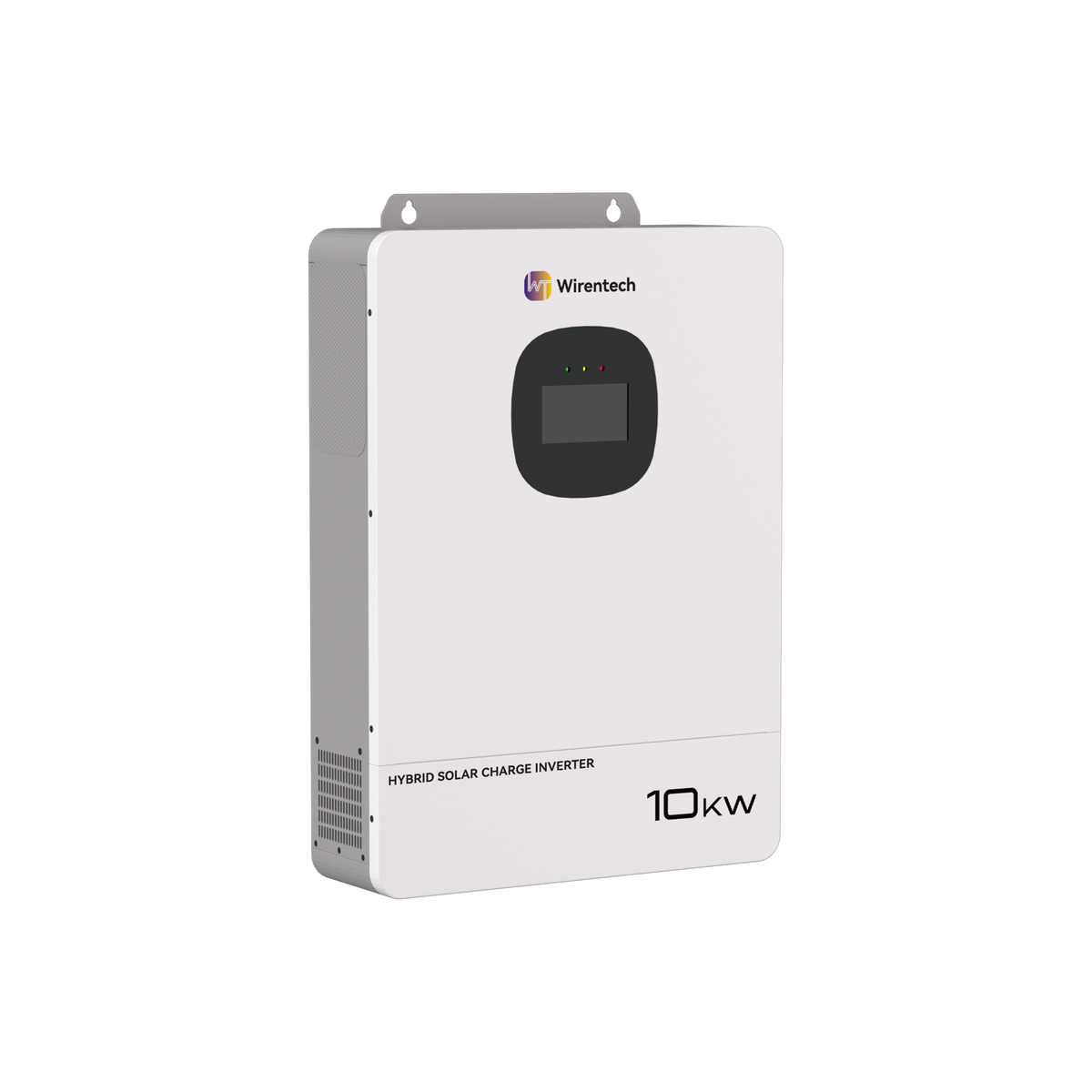
Wirentech 10kW split-phase hybrid solar inverter for whole-home backup
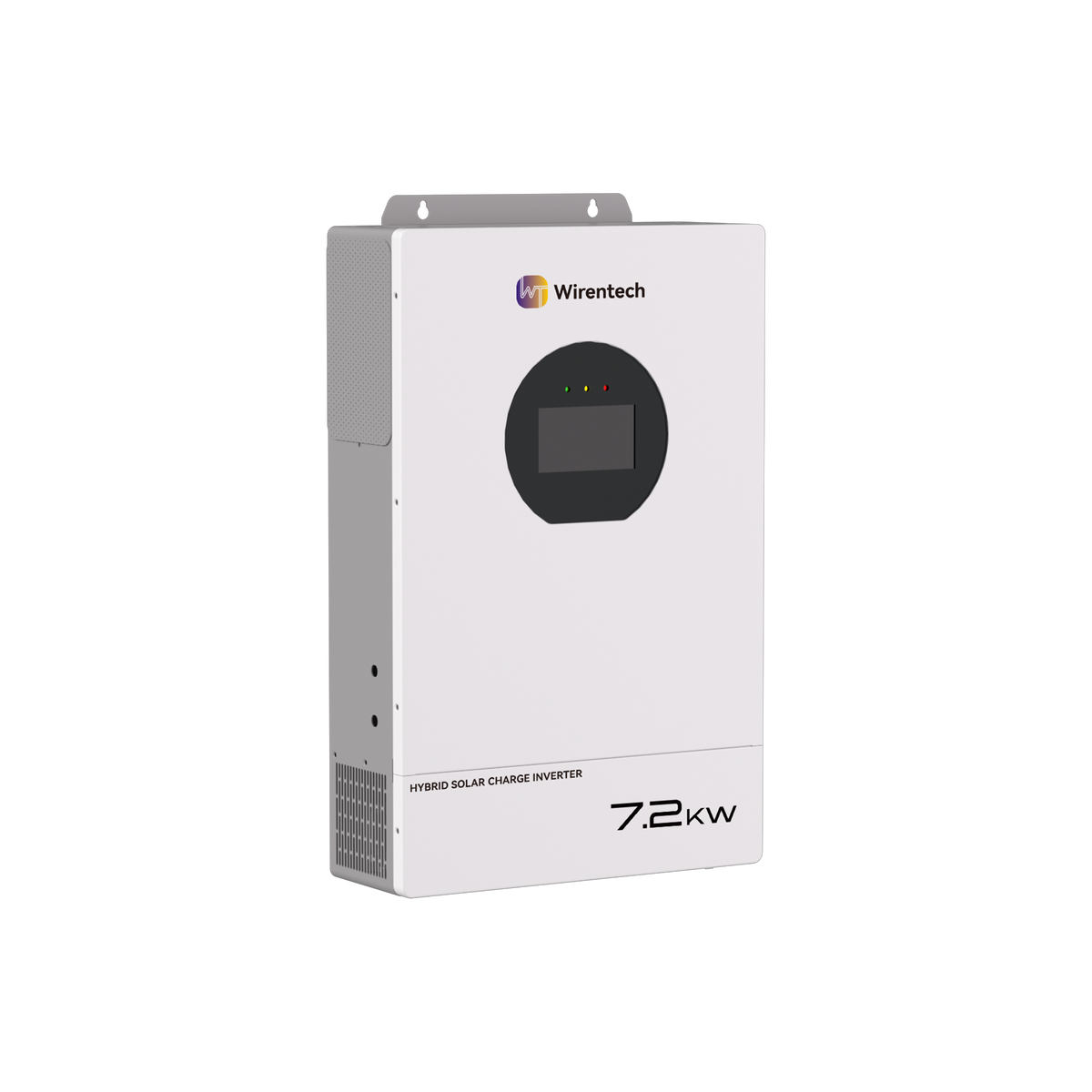
Wirentech 7.2kW split-phase hybrid solar inverter for home energy storage
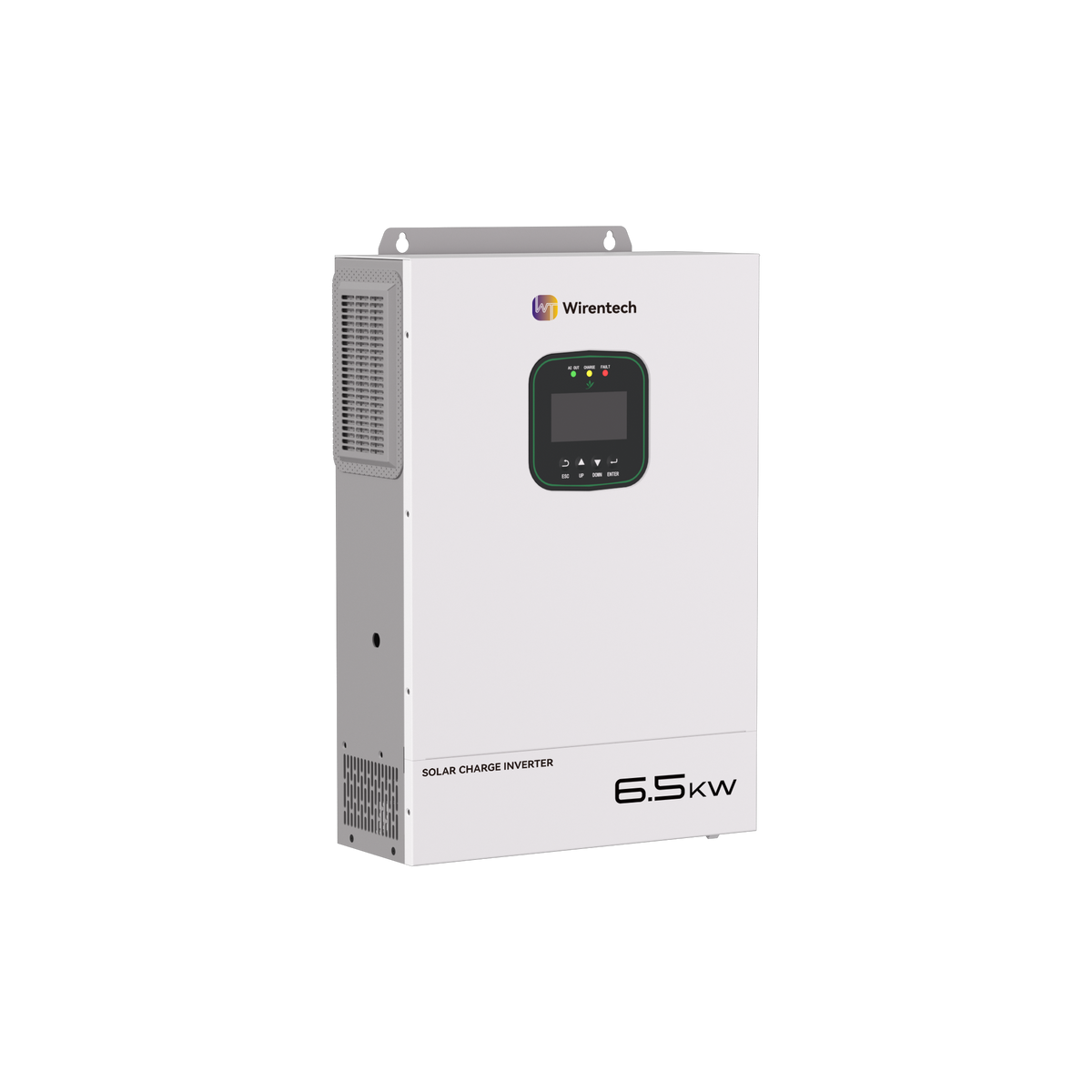
Wirentech 6.5kW hybrid solar inverter for home energy storage
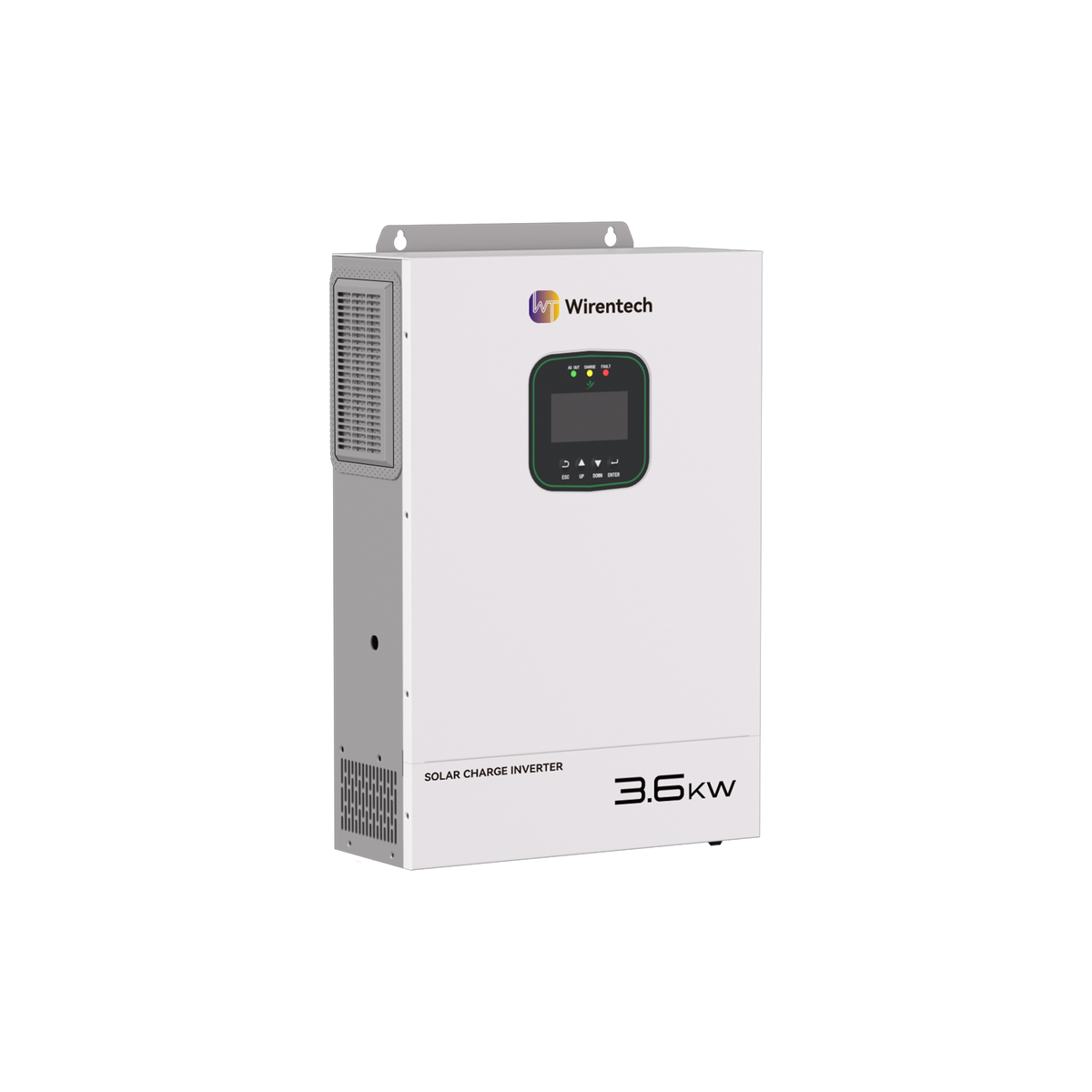
Wirentech 3.6kW hybrid solar inverter for home energy storage
Model
GES48120M220-500 Plus Series
GES48120M220/M250-500 Series
GES48100M220/M250-500 Series
GES4872M150-500 Series
SPI4865M150-300 Series
SPI2436M120-500
Best For
Whole-home backup + generator
High-load home backup
Whole-home backup
Split-phase home backup
Mid-size home backup
Essential-load backup
Rated Output
12,000W split / 7,200W single
10,000W split / 7,200W single
7,200W split / 6,000W single
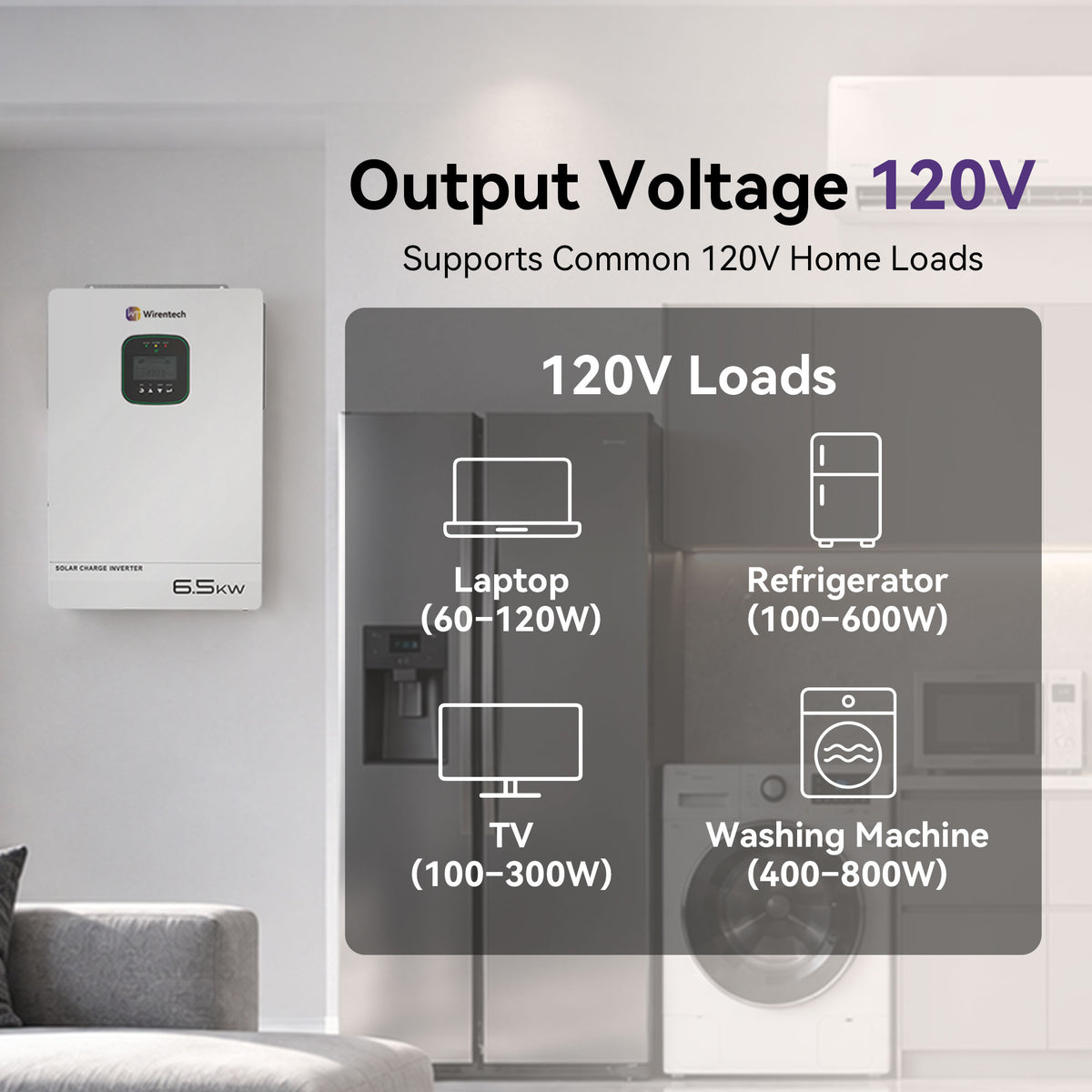
6,500W
3,600W
AC Output
120/240Vac split phase
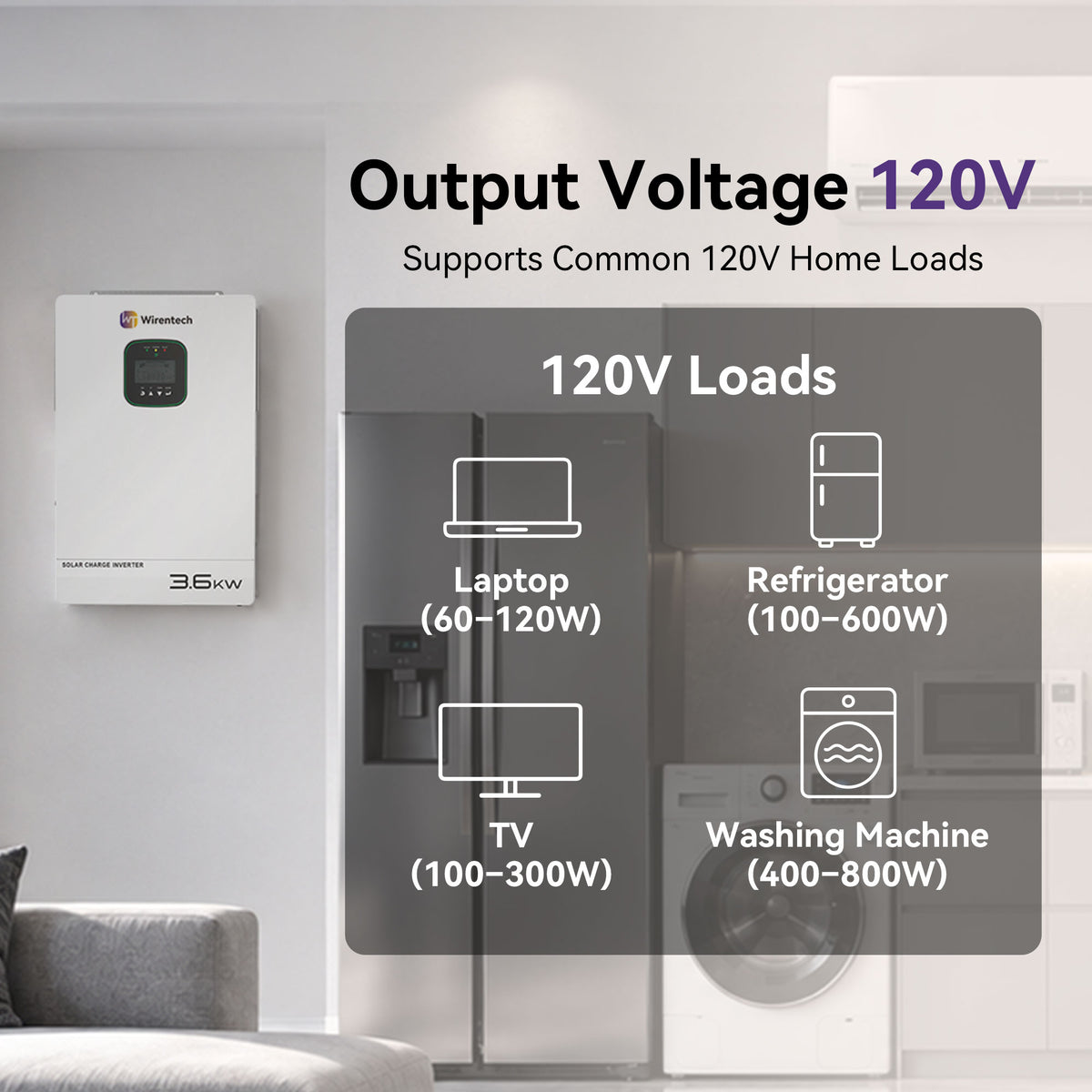
120Vac
120Vac
Battery Input
40-58.6Vdc
40-58.6Vdc
40-58.6Vdc
40-58.6Vdc
40-60Vdc
20-33Vdc
PV Inputs / MPPT
2 MPPT
2 MPPT
2 MPPT
2 MPPT
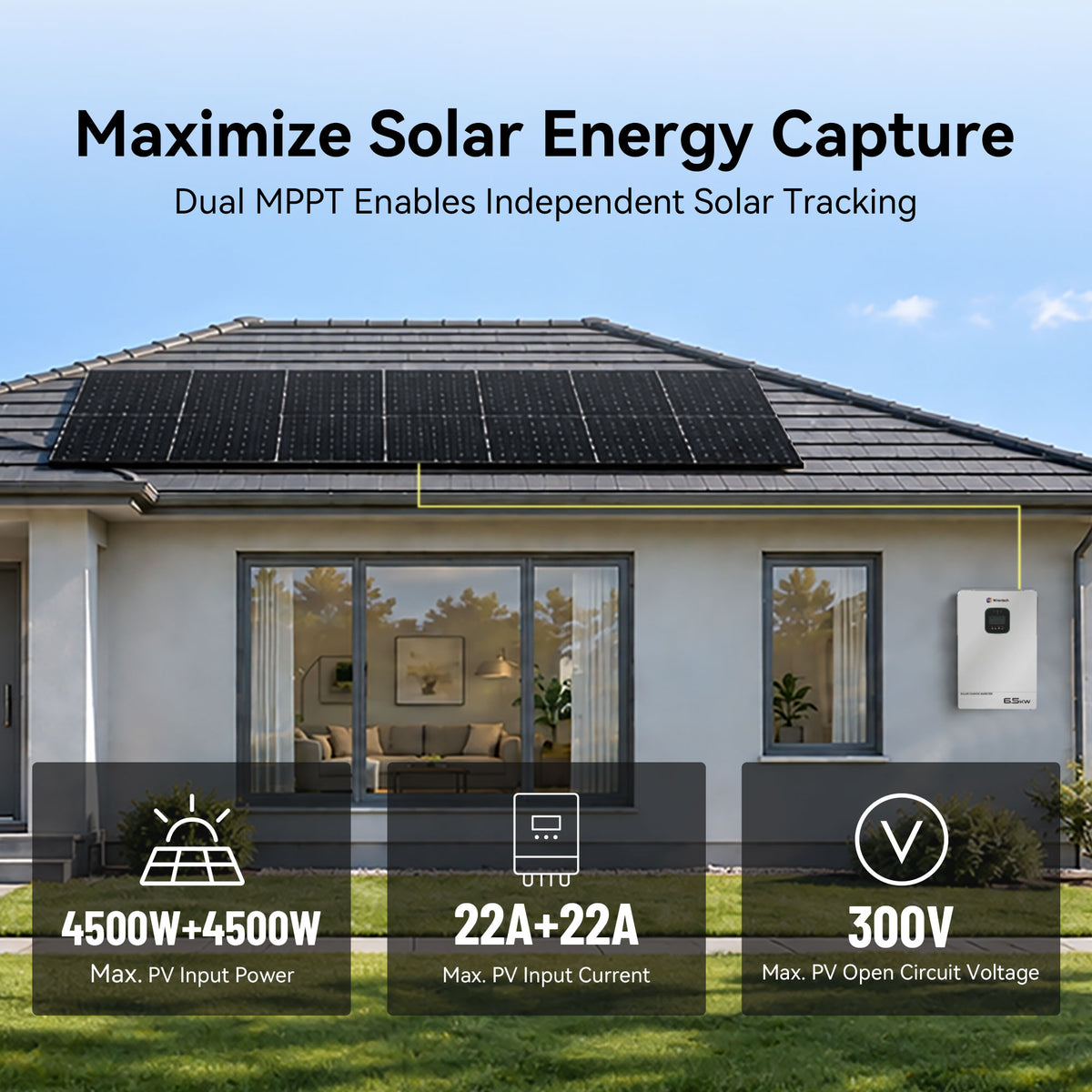
Dual PV input
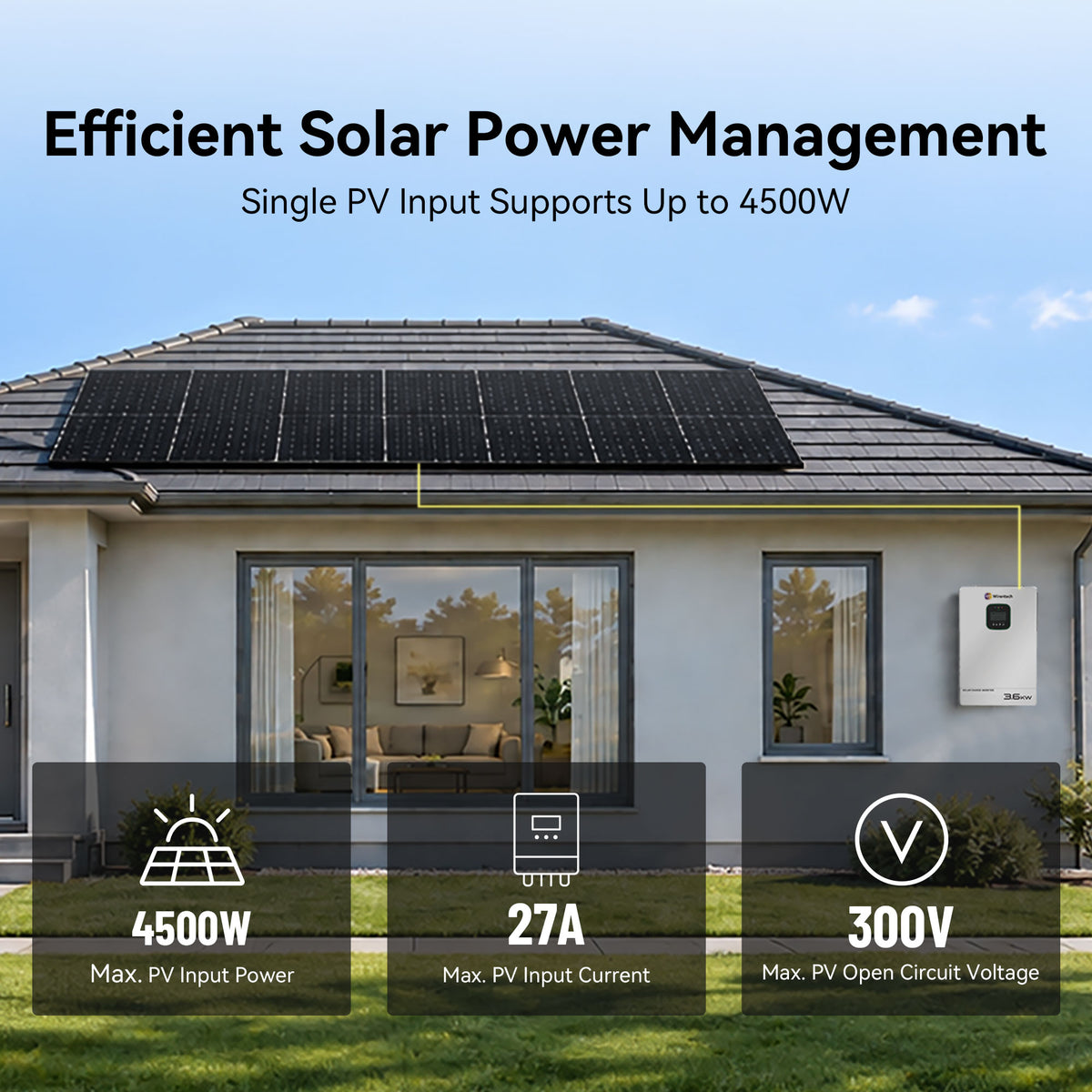
Single PV input
PV Voc Max
500Vdc
500Vdc
500Vdc
500Vdc
300Vdc
500Vdc
MPPT Range
90-450Vdc
90-450Vdc
90-450Vdc
90-450Vdc
90-260Vdc
90-450Vdc
Max PV Input
24,000W (12,000W x 2)
12,000-24,000W*
12,000-18,000W*
9,000W (4,500W x 2)
9,000W (4,500W x 2)
6,000W
Peak Output
18,000VA split phase
15,000VA split phase
10,800VA
9,750VA
5,400VA
Max Hybrid Charge
250A
220-250A*
220-250A*
150A
150A
120A
Parallel Expansion
Up to 6 (P Plus model)
Up to 6 (P/XP models)
Up to 6 (P model)
Up to 6 (P model)
Up to 6 (P model)
No
Grid Bypass Capacity
200A grid bypass
60A per leg
60A per leg
50A per leg
60A
40A
Generator Input
Dedicated input
No dedicated input
No dedicated input
No dedicated input
No dedicated input
No dedicated input
Dimensions (W x H x D)
485 x 710 x 145mm
450 x 620 x 132mm
450 x 620 x 132mm
359 x 580 x 127mm
350 x 540 x 120mm
280 x 428 x 110mm
Weight
37.5kg
23.8kg
23.5kg
15.9kg
18.5kg
8.2kg

Swipe left or right to compare all models

*Specifications vary by exact model suffix. Confirm the product model, battery voltage, PV input, charging current, output configuration and installation requirements before ordering. Professional installation is recommended.

How to Choose the Right Inverter

Choose based on power needs, output voltage, battery compatibility, solar input, and backup requirements.

Power Needs

Size the inverter for your essential loads, peak demand, and future use.

Output Voltage

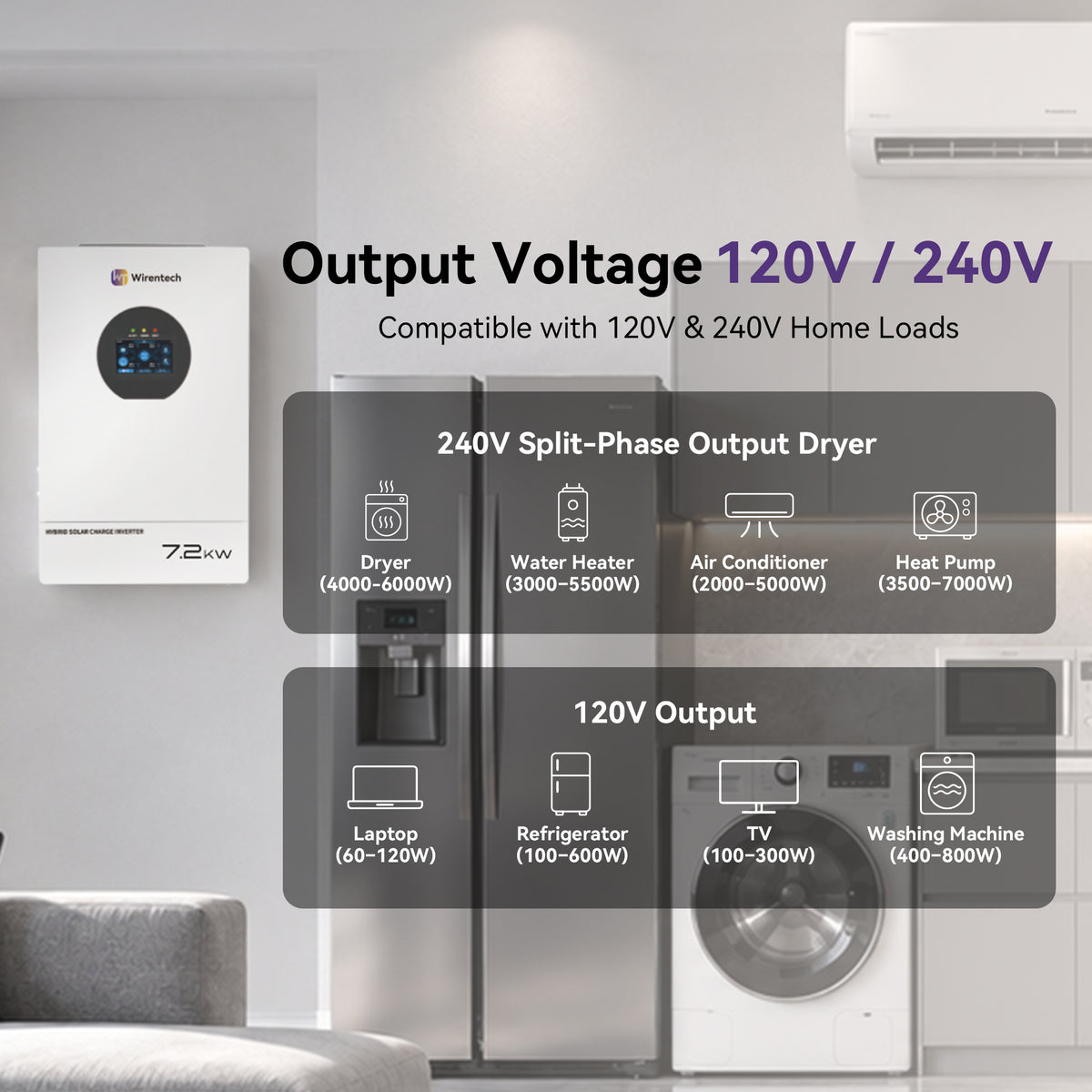
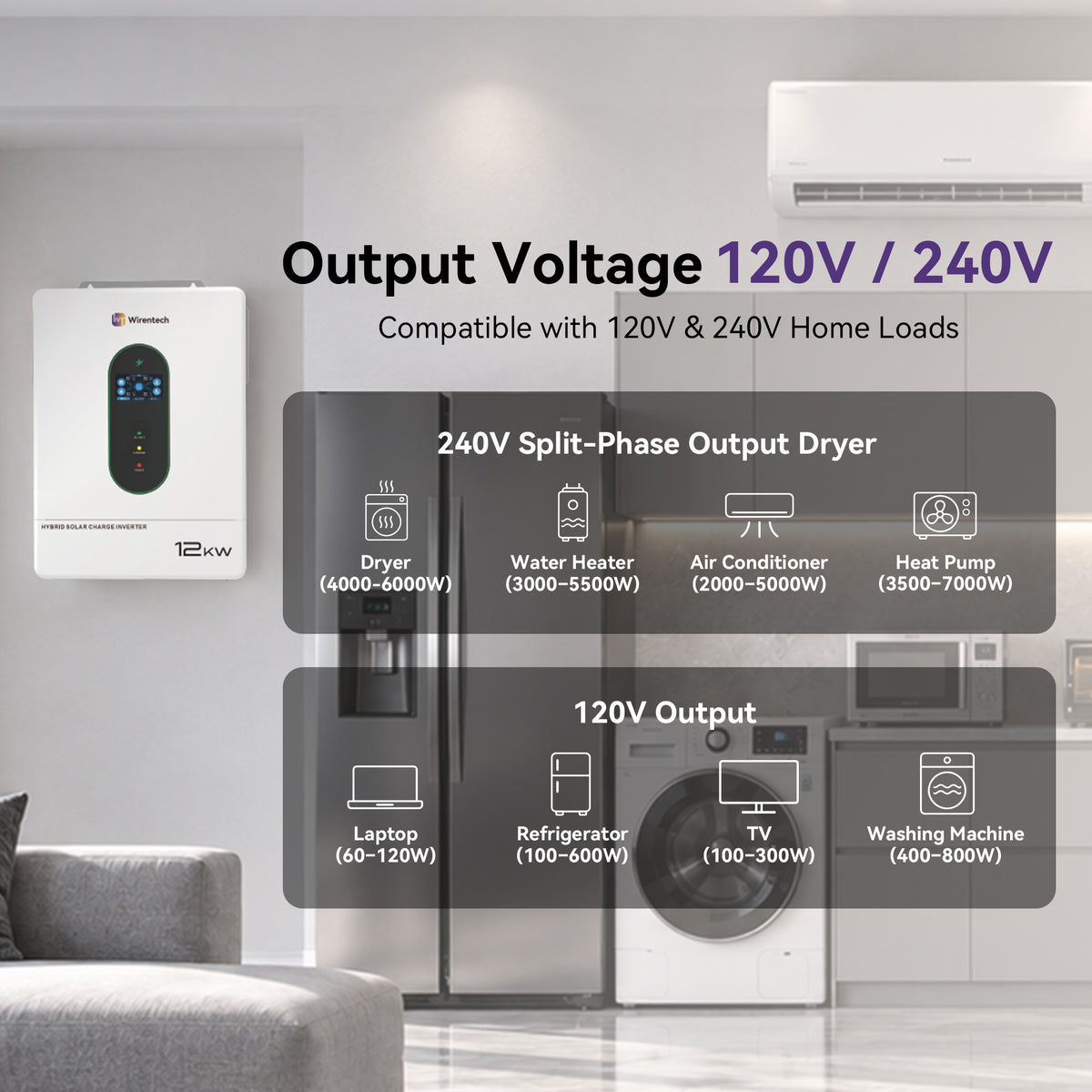
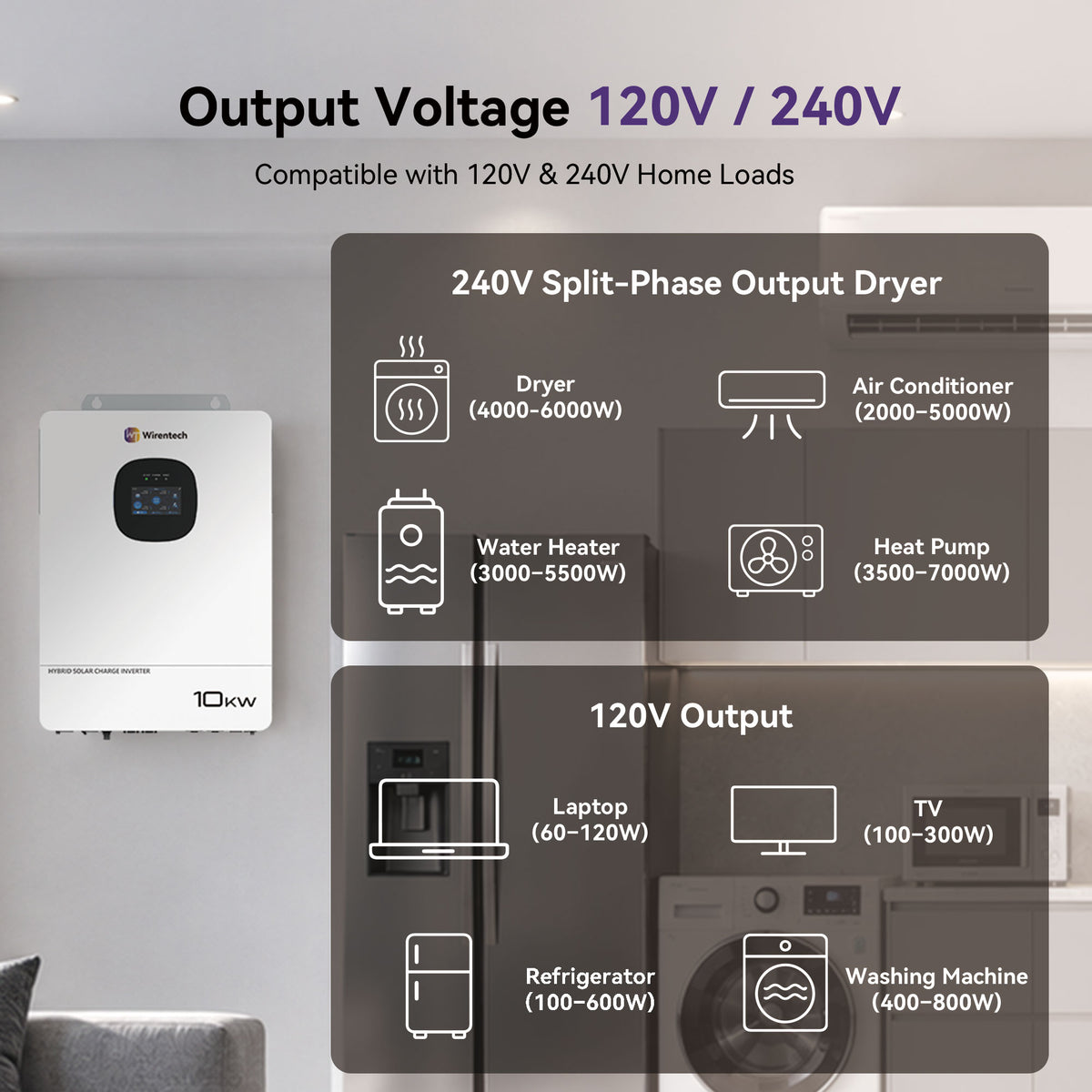
Choose 120V or 120/240V split-phase output for your electrical system.

Battery Match

Confirm the inverter’s battery voltage range and supported battery communication.

Solar Input

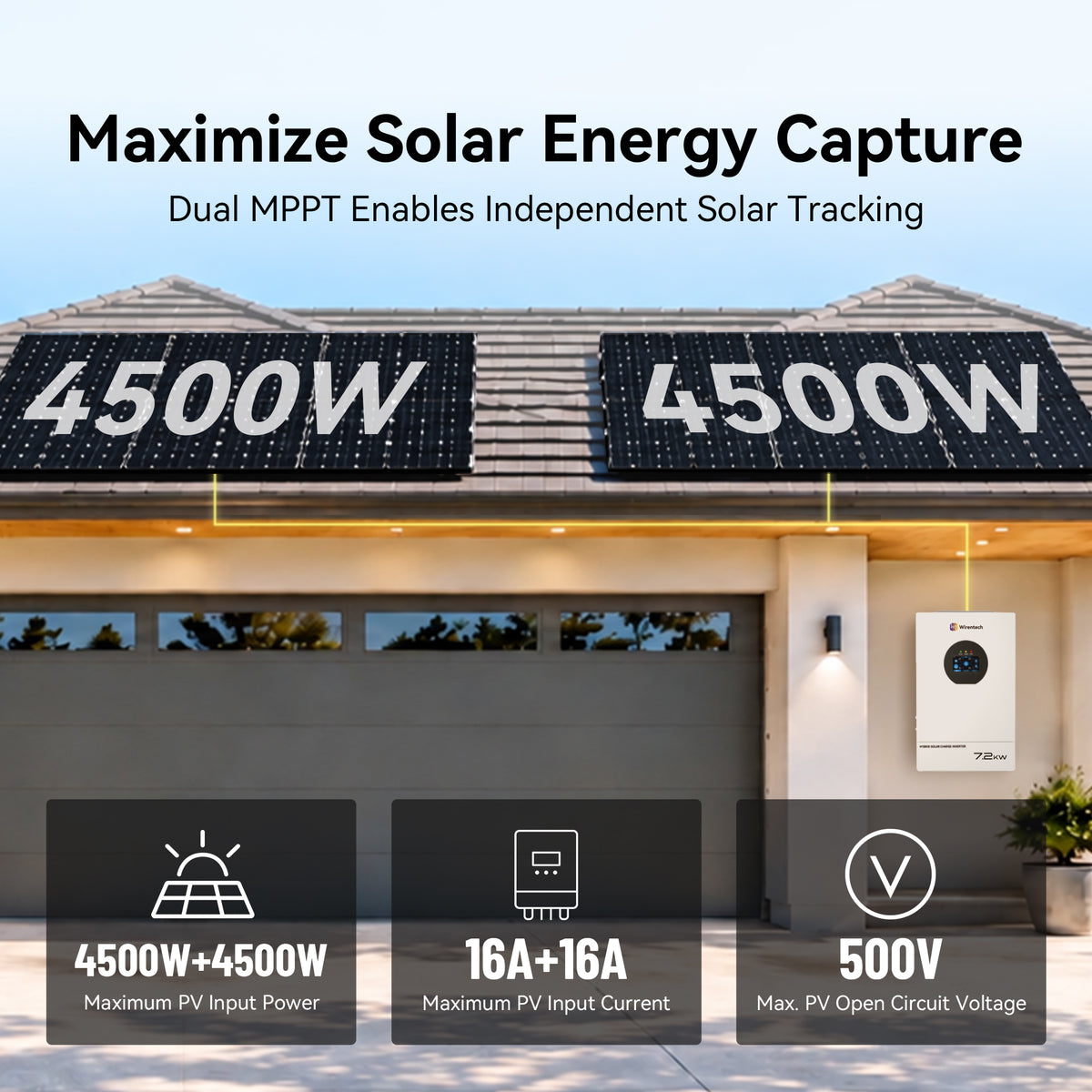
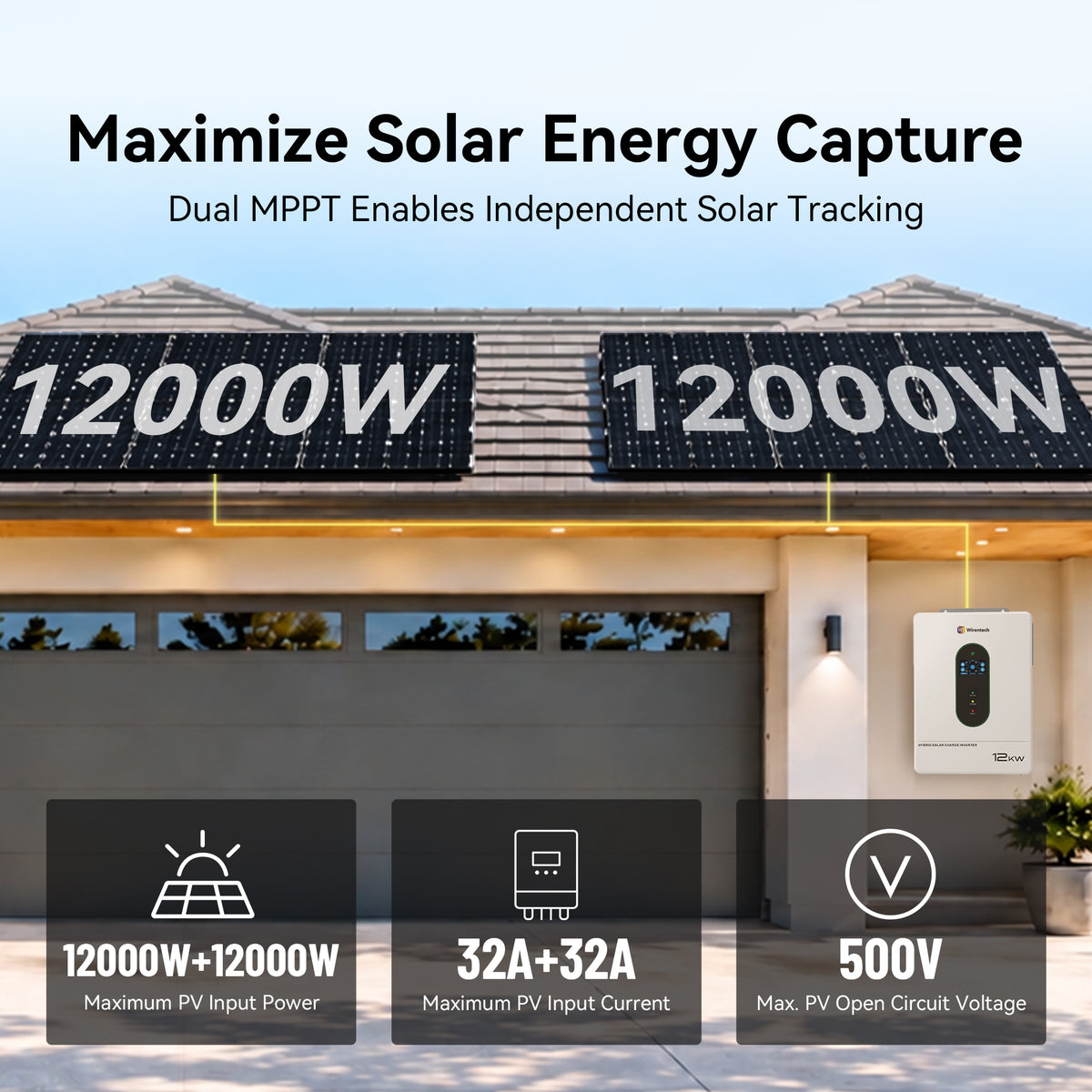
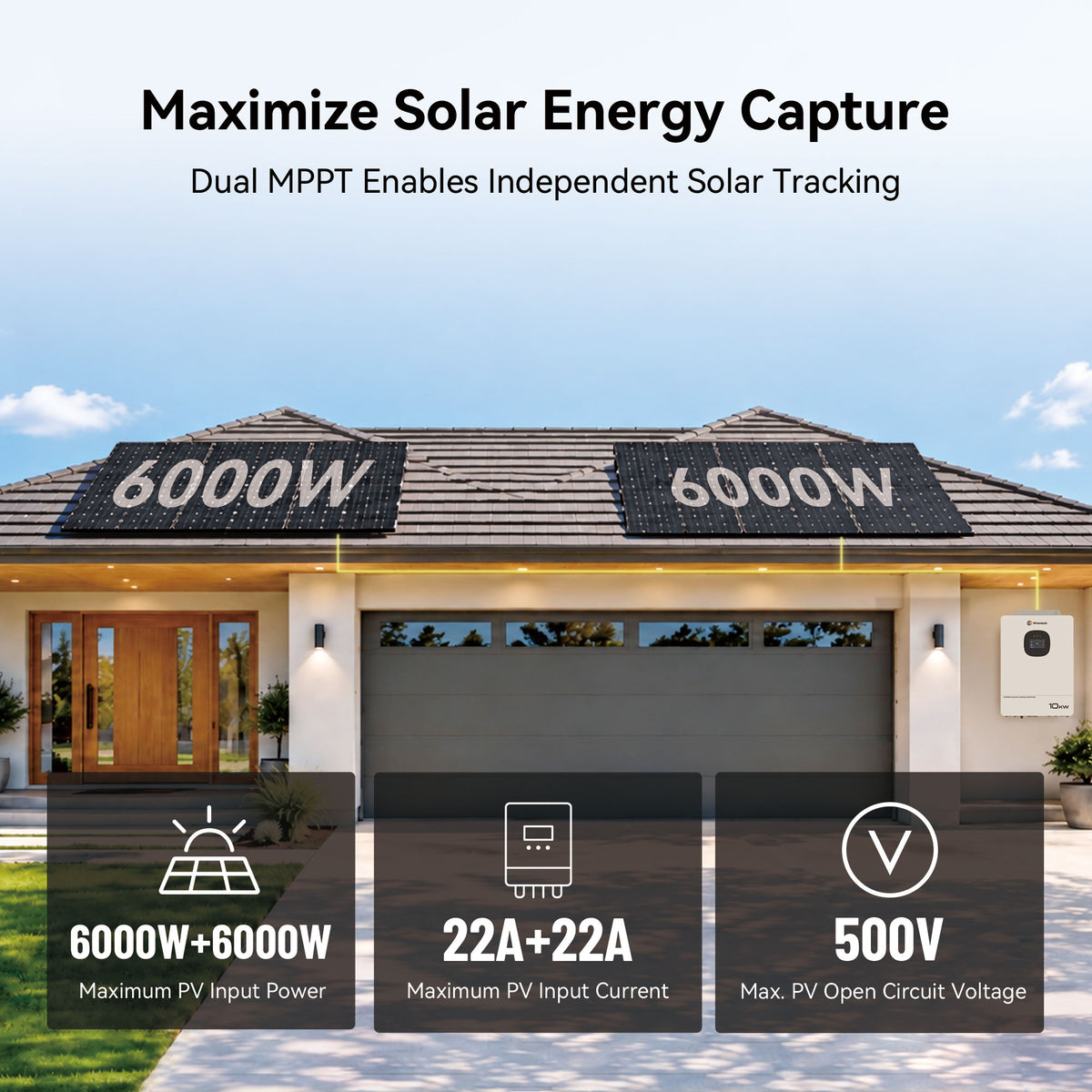
Match your solar array to the inverter’s MPPT range and maximum PV input.

Backup Setup

Consider transfer time, bypass capacity, and generator input requirements.

System Expansion

Check whether the model supports parallel operation and future capacity growth.

FAQs

Can a hybrid inverter work without batteries?

Yes, most hybrid inverters can operate with solar and grid power even without a battery, but battery storage is required for backup during outages.

What size inverter do I need for my home or RV?

It depends on your appliances. Small RV systems usually need 3.6–6.5kW, while full home backup systems typically require 7.2–12kW inverters.

Can a 3.6kW or 6.5kW inverter run an air conditioner?

It depends on the AC size and startup surge. Most standard RV or small inverter AC units can run on 3.6–6.5kW systems if properly configured.

What is the difference between 12kW inverter and 12kW with bypass?

A bypass inverter can automatically switch between grid and battery power, ensuring uninterrupted supply for critical loads.

Can hybrid inverters be connected in parallel?

Some models support parallel connection to increase total output power, but it depends on the inverter model and system design.

What battery voltage works with these inverters?

Most hybrid inverters support 12V, 24V, or 48V systems depending on model, with 48V being most common for home energy storage.

Do hybrid inverters work with solar panels and grid at the same time?

Yes. They can manage solar, grid, and battery input simultaneously for optimal energy usage.

What happens when the grid power goes out?

The inverter automatically switches to battery power to keep essential loads running (switching time depends on model).

Can I use this inverter for off-grid living?

Yes, hybrid inverters are widely used in off-grid homes, RV systems, cabins, and marine applications.

How do I calculate inverter power correctly?

Add up total wattage of all appliances you want to run at the same time, then choose an inverter with at least 20–30% extra capacity for safety.

Why Buy on Wirentech Official

Store Benefits

Power Solutions

Warranty Coverage

Free Shipping

Local Warehouse

Expert Support