
Why There Are Two “48V” Battery Standards in the Market
Many users get confused when they first see both 48V and 51.2V lithium batteries listed as “48V systems”.
At first glance, they look identical. In reality, they are based on different lithium iron phosphate (LiFePO4) cell configurations.
👉 This difference affects compatibility, charging behavior, and long-term system stability.
Understanding it is important before choosing a home energy storage system.
The Real Reason Behind 48V and 51.2V Systems
The difference comes from cell structure
LiFePO4 cells have a nominal voltage of:
- 3.2V per cell
So:
- 48V system = 15 cells (15 × 3.2V = 48V)
- 51.2V system = 16 cells (16 × 3.2V = 51.2V)
👉 That is the entire technical difference.
Are 48V and 51.2V Batteries Compatible?
In most modern systems:
Yes, they are generally compatible
Because:
- Most inverters support a voltage range (not exact fixed voltage)
- Both operate within “48V class” systems
However:
Compatibility depends on system design
You still need to check:
- Inverter voltage range
- Battery management system (BMS) settings
- Charging profile
👉 Not all systems behave identically under load.
Key Performance Differences You Should Know
1. Voltage stability
- 51.2V systems tend to have slightly more stable discharge curves
- 48V systems drop slightly earlier under load
👉 This affects perceived performance more than actual capacity
2. Depth of discharge behavior
Both systems typically support:
- 80%–100% usable capacity depending on BMS
However:
- 51.2V systems often maintain better voltage consistency near low SOC
3. Charging efficiency
- 51.2V systems may align better with some inverter charging profiles
- 48V systems are more widely legacy-compatible
Which One Is Better for Home Solar Systems?
There is no universal “better” option.
Choose 48V LiFePO4 if:
- You already have a 48V inverter system
- You want maximum compatibility
- You are upgrading from older lead-acid systems
Choose 51.2V LiFePO4 if:
- You are building a new system
- You want better voltage stability
- You are designing a long-cycle solar storage system
Common Mistakes When Choosing Between 48V and 51.2V
❌ Mistake 1: Thinking they are different “classes”
They are both 48V-class systems. The difference is only internal cell configuration.
❌ Mistake 2: Ignoring inverter compatibility range
Some users assume:
- “48V means only 48V”
In reality:
- Most inverters support 40–60V range
❌ Mistake 3: Mixing systems without checking BMS
Mixing different voltage systems can cause:
- Charging imbalance
- Reduced efficiency
- BMS communication errors
Impact on Real Home Energy Storage Systems
In practical use, the difference is subtle:
- Backup time difference is minimal
- Capacity difference is negligible
- User experience difference is mostly system stability
👉 The biggest factor is not voltage—it is system design and load sizing
What Matters More Than Voltage Choice
Before choosing between 48V and 51.2V, focus on:
1. Total kWh capacity
This determines how long your home runs.
2. Inverter quality and compatibility
This determines system stability.
3. Load demand (air conditioning, appliances)
This determines real-world performance.
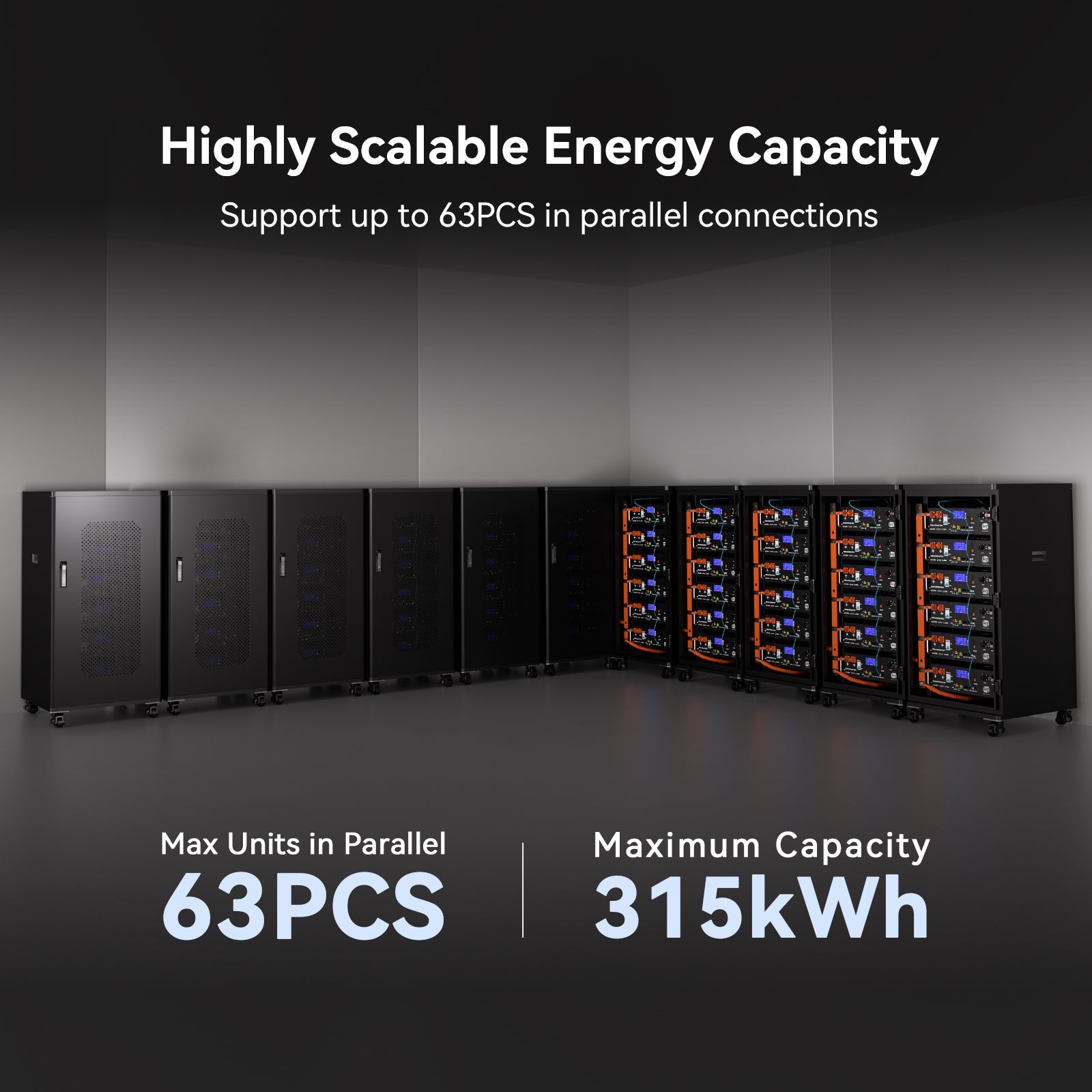
4. Expandability
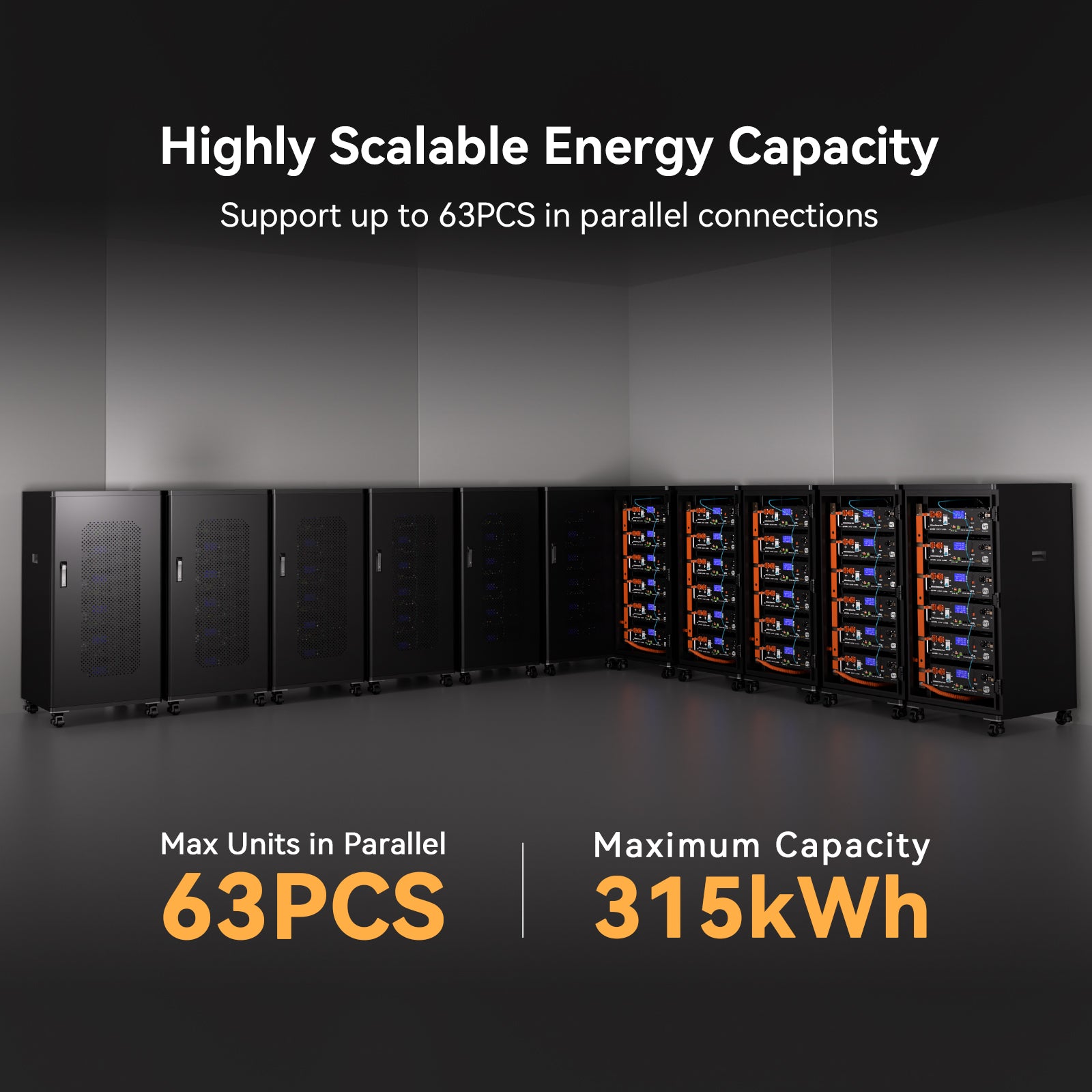
Can the system scale in parallel?
Simple Recommendation Framework
Small upgrade systems
- Use existing 48V setups
New solar home systems
- Prefer 51.2V for better stability
Off-grid or large storage systems
- Either works, but system design matters more than voltage
Conclusion: The Real Difference Is Smaller Than You Think
48V and 51.2V LiFePO4 batteries are not fundamentally different technologies.
They are simply different ways of building the same 48V-class system.
👉 What actually matters is:
- System design
- Inverter compatibility
- Energy demand
- Proper sizing
The voltage label is secondary—the system architecture is primary.


Share:
Can a Home Battery Power a Whole House?
What Is the Best Battery Type for Home Solar Storage?