
Choosing the number of server rack batteries for a home energy storage system is not just about buying the largest battery bank possible.
The correct battery size depends on:
- How much electricity your home uses
- How long you need backup power
- Which appliances you want to support
- Your solar production
- Your inverter capacity
- Whether you plan to expand later
A common mistake is choosing batteries based only on capacity numbers.
The better question is:
How much energy do I need during the hours when my solar system is not producing power?
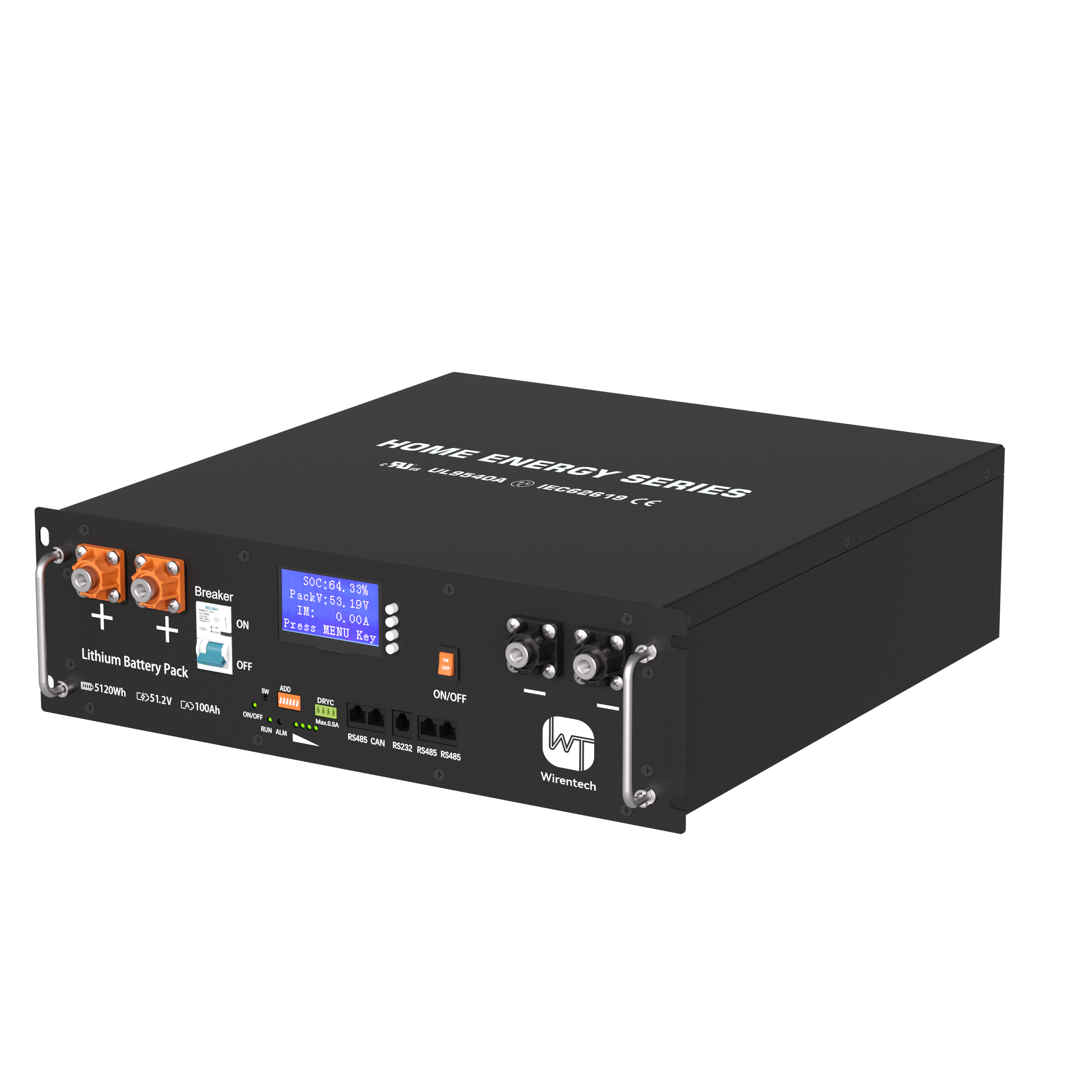
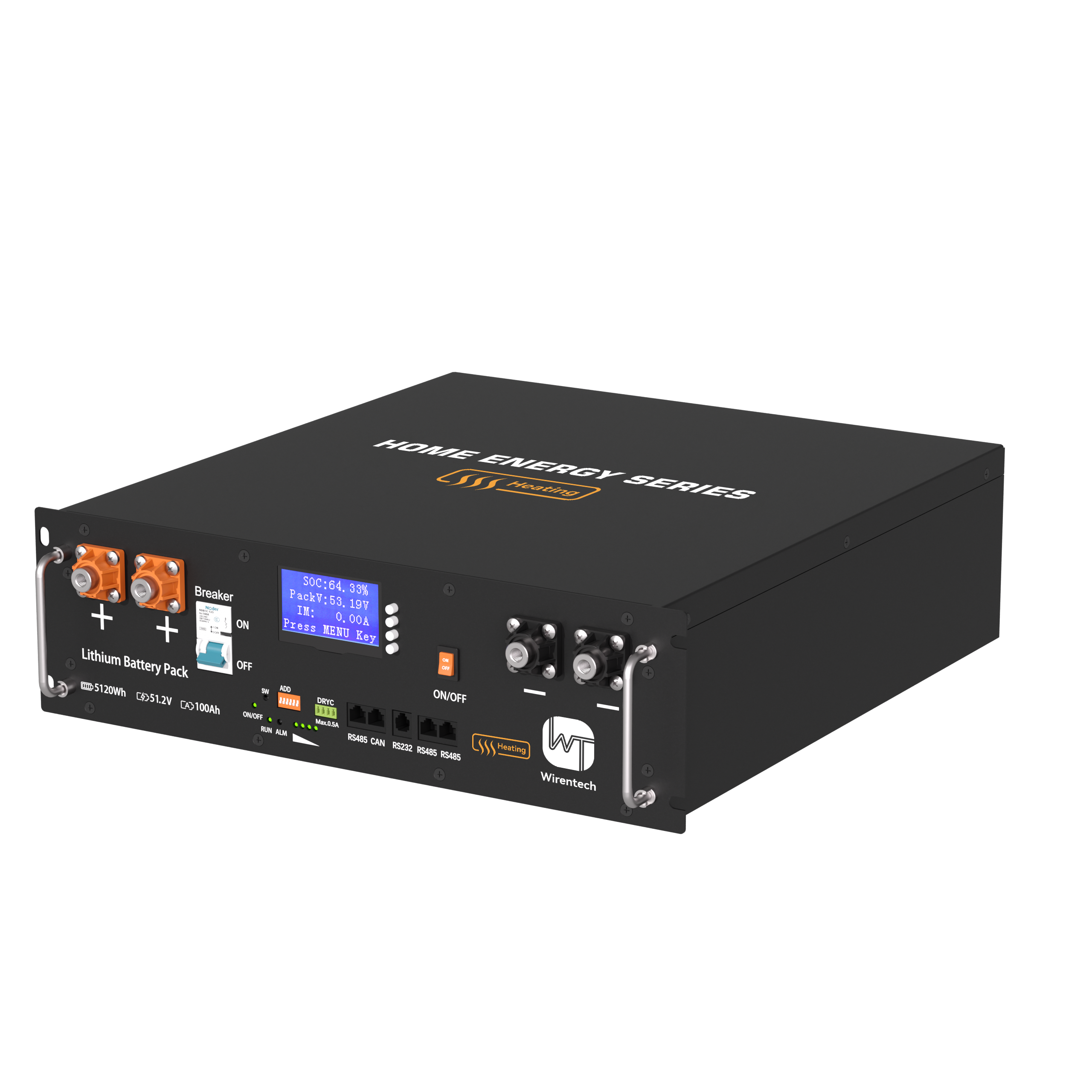
For most residential systems, a 51.2V 100Ah rack battery with 5.12kWh capacity is used as the basic building block.
🔗 Start With the Complete Battery Selection Guide
If you are still deciding which battery system is right for your home, start with:
👉 How to Choose the Right Home Energy Storage Battery
This guide explains:
- Rack battery vs wall-mounted battery
- Battery sizing principles
- Solar storage system design
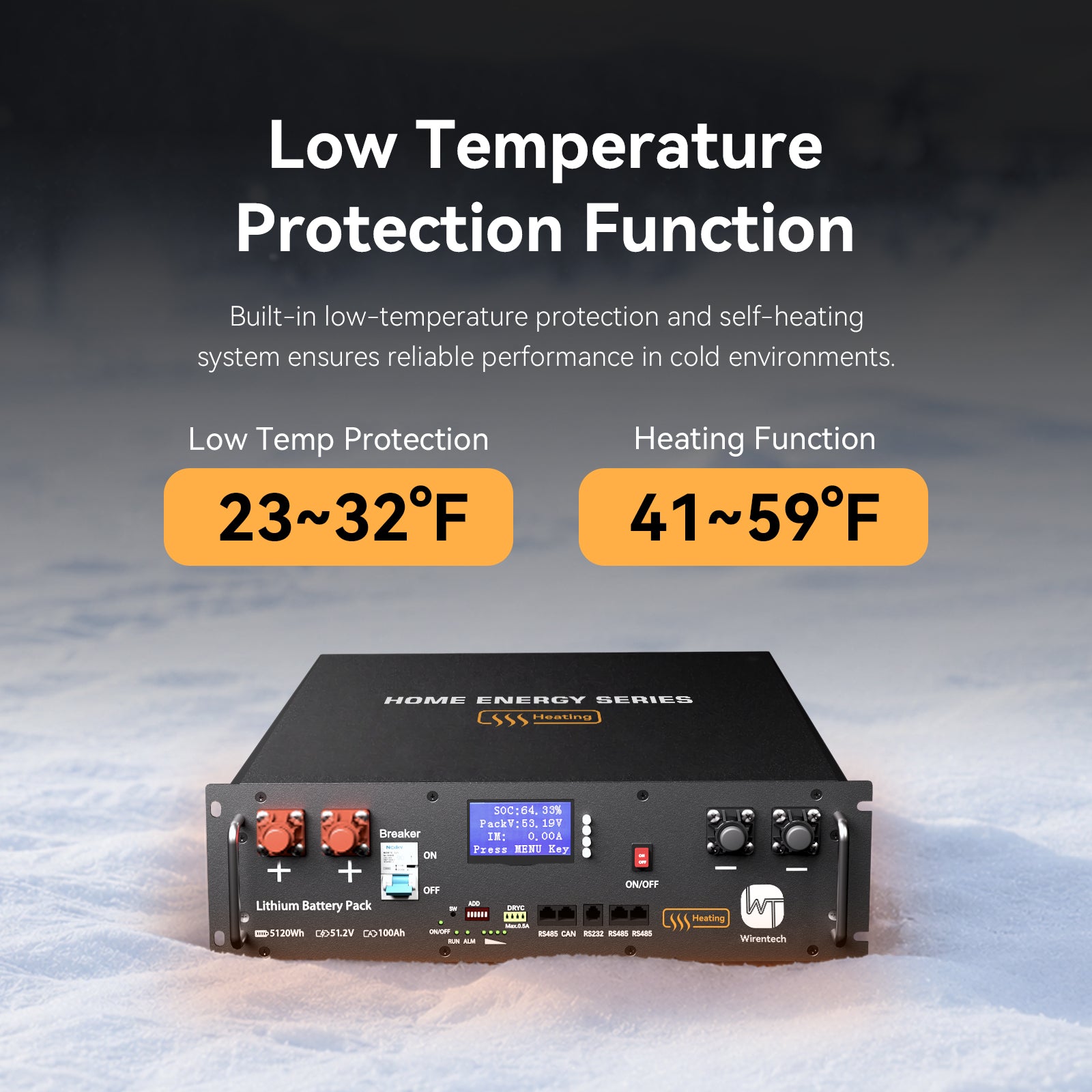
- Self-heating battery requirements
What Is the Capacity of One Server Rack Battery?
Most modern residential rack batteries use a 51.2V LiFePO4 architecture.
A typical 51.2V 100Ah rack battery provides:
51.2V × 100Ah = 5.12kWh
This means:
| Battery Quantity | Total Storage |
|---|---|
| 1 battery | 5.12kWh |
| 2 batteries | 10.24kWh |
| 4 batteries | 20.48kWh |
| 6 batteries | 30.72kWh |
| 8 batteries | 40.96kWh |
A rack battery system works differently from a fixed-size battery.
You do not need to buy the final capacity on day one.
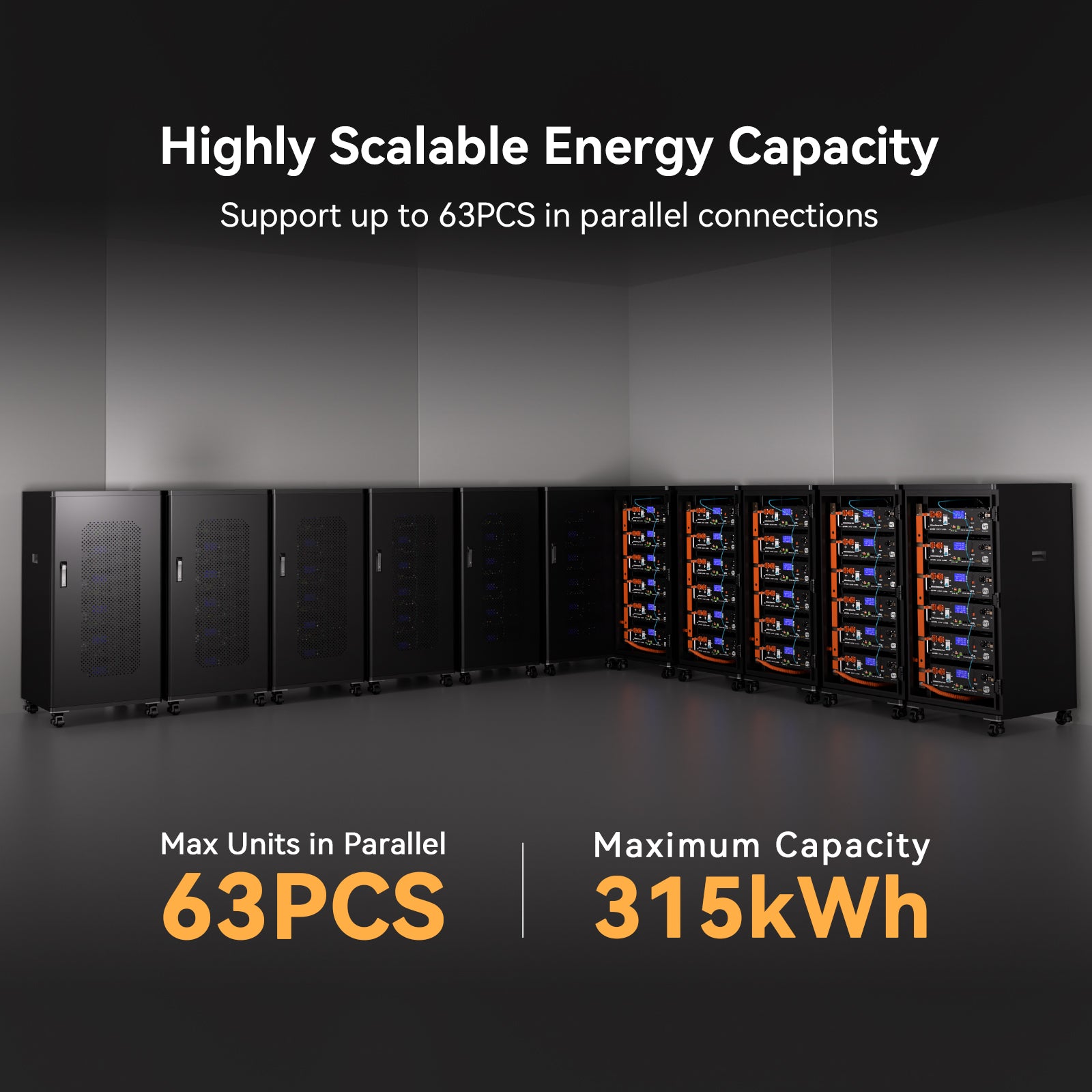
You can start with one or two batteries and expand later.
How to Calculate How Many Batteries You Need
The basic calculation is:
Daily Energy Usage × Backup Hours = Required Battery Capacity
Example:
A home uses:
- 10kWh per day
- Needs 12 hours backup
Estimated requirement:
10kWh × 50% usage during backup period
≈ 5–10kWh battery capacity
A single 5.12kWh battery may work for essential loads.
However, if you want longer backup or more appliances, additional batteries are needed.
Battery Sizing Based on Your Goal
The right number of batteries depends on your purpose.
1 Battery (5.12kWh)
Best For:
- Emergency backup
- Internet
- Lighting
- Small electronics
- Refrigerator backup
Choose this if:
You want basic protection during short outages.
2 Batteries (10.24kWh)
Best For:
- Longer backup time
- More household appliances
- Small solar systems
Choose this if:
You want more comfortable daily backup without a large initial investment.
4 Batteries (20.48kWh)
Best For:
- Most residential backup systems
- Essential home circuits
- Solar energy storage
Choose this if:
You want a practical home energy storage system.
Primary Recommendation:
For many homeowners, a 4-battery rack system is the most balanced configuration.
6+ Batteries (30kWh+)
Best For:
- Larger homes
- Off-grid applications
- High electricity usage
- Longer outage protection
Choose this when energy independence is a priority.
Quick Decision: How Many Batteries Do You Need?
Choose 1 Battery If:
- You only need emergency backup
- Your essential loads are small
- You want the lowest entry cost
Choose 2 Batteries If:
- You need basic home backup
- You have moderate electricity usage
- You want longer runtime
Choose 4 Batteries If:
- You want a reliable home backup system
- You have solar panels
- You want better daily energy flexibility
Choose 6+ Batteries If:
- You run larger loads
- You live off-grid
- You need extended backup duration
Rack Battery System vs Single Large Battery
When planning capacity, many users compare rack batteries with large wall-mounted batteries.
| Factor | Rack Battery System | Wall-Mounted Battery |
|---|---|---|
| Expansion | Excellent | Limited |
| Starting capacity | Flexible | Usually fixed |
| Future upgrades | Easy | More limited |
| Installation style | Modular | Single-unit |
| Best For | Growing systems | Fixed capacity users |
Rack batteries are often preferred when users do not know their future energy requirements.
Why Modular Battery Expansion Matters
Energy needs change.
A homeowner may start with:
- Small backup system today
Then later add:
- More solar panels
- EV charging
- More appliances
- Larger backup requirements
A modular rack battery system allows capacity growth without replacing the entire system.
How Many Batteries Can a WT5100 System Support?
The WT5100 51.2V 100Ah rack battery is designed as a modular energy storage building block.
Typical system planning:
| System Size | Configuration |
|---|---|
| Starter system | 1–2 batteries |
| Home backup system | 4 batteries |
| Larger solar storage | 6+ batteries |
| Commercial-scale setup | Multiple parallel units |
Factors That Change Battery Requirements
Home Electricity Usage
A larger home usually needs more storage.
High-consumption loads include:
- Air conditioning
- Electric heating
- Water heaters
- Pool equipment
- EV charging
Backup Goal
Not every user needs full-home backup.
Some users only need:
- Refrigerator
- Internet
- Lights
- Security systems
Others want:
- Entire home operation
Solar System Size
A larger solar system can recharge more battery capacity.
Battery size should match:
- Solar production
- Inverter power
- Daily consumption
Inverter Capacity
Battery quantity is not only about kWh.
You also need to check:
- Continuous power output
- Maximum discharge current
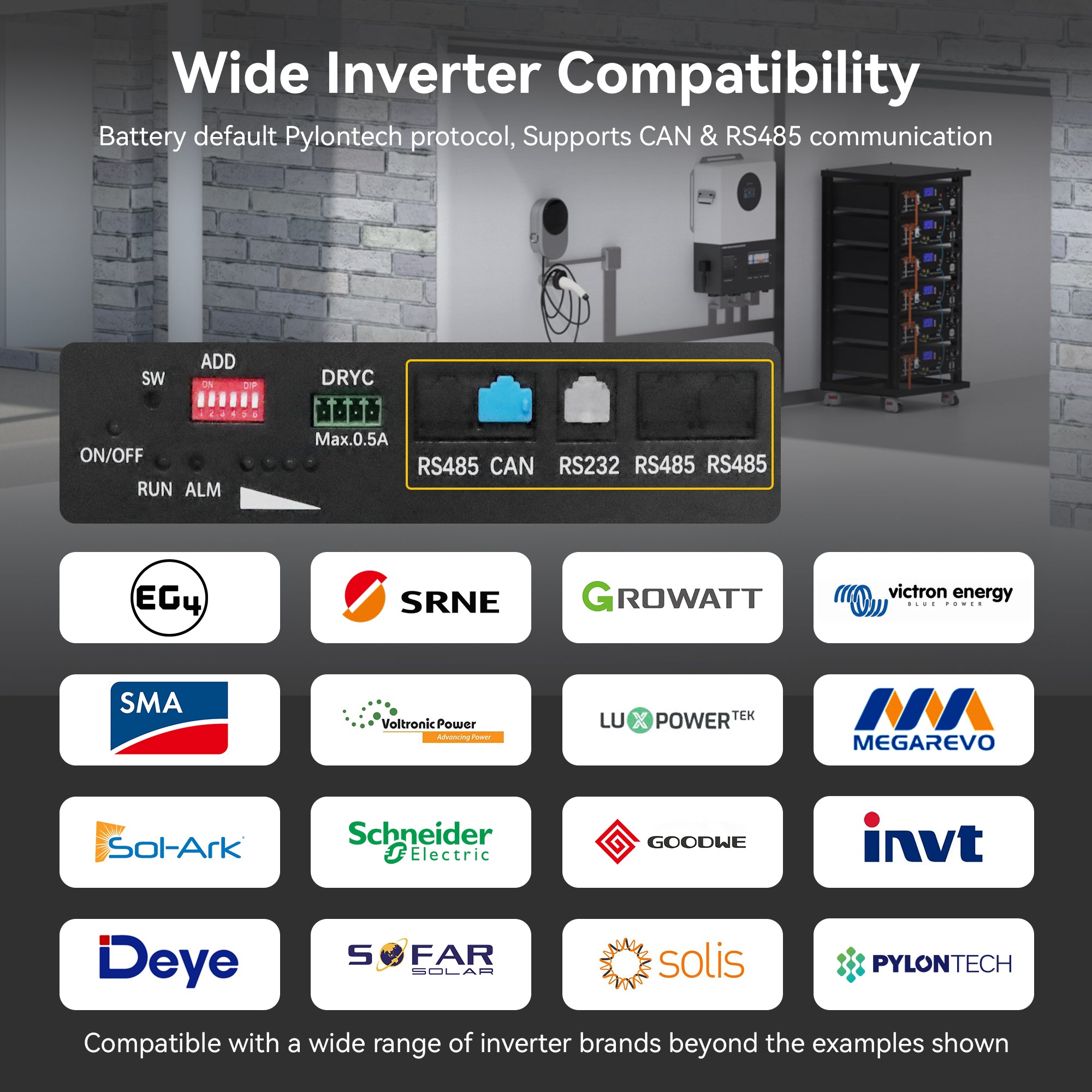
- Inverter compatibility
A large battery bank with a small inverter may not provide the expected power.
Recommended Starting Point: WT5100 Rack Battery
For most residential users, the WT5100 51.2V 100Ah rack battery is a practical starting point because it provides:
- 5.12kWh per module
- 51.2V LiFePO4 architecture
- Modular expansion capability
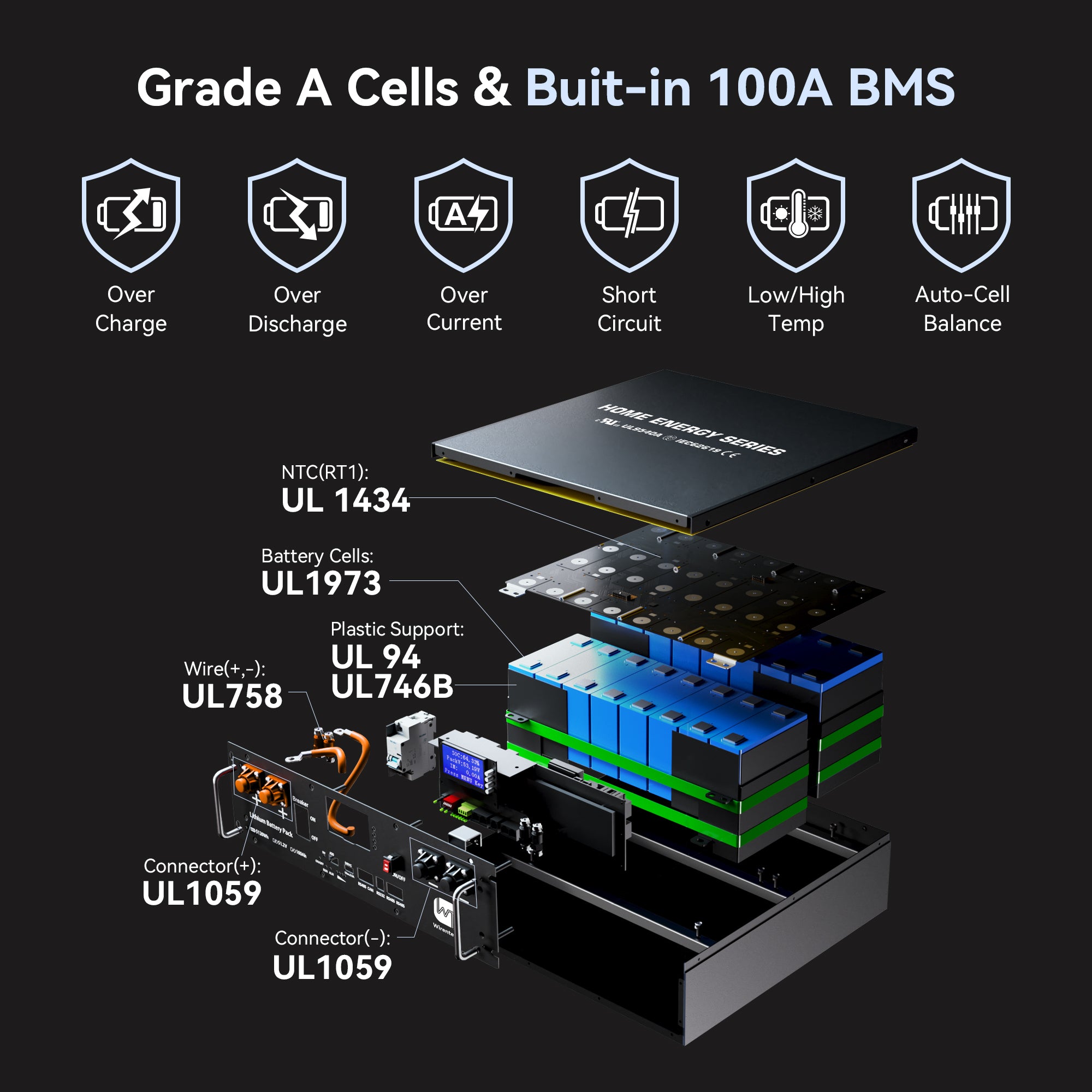
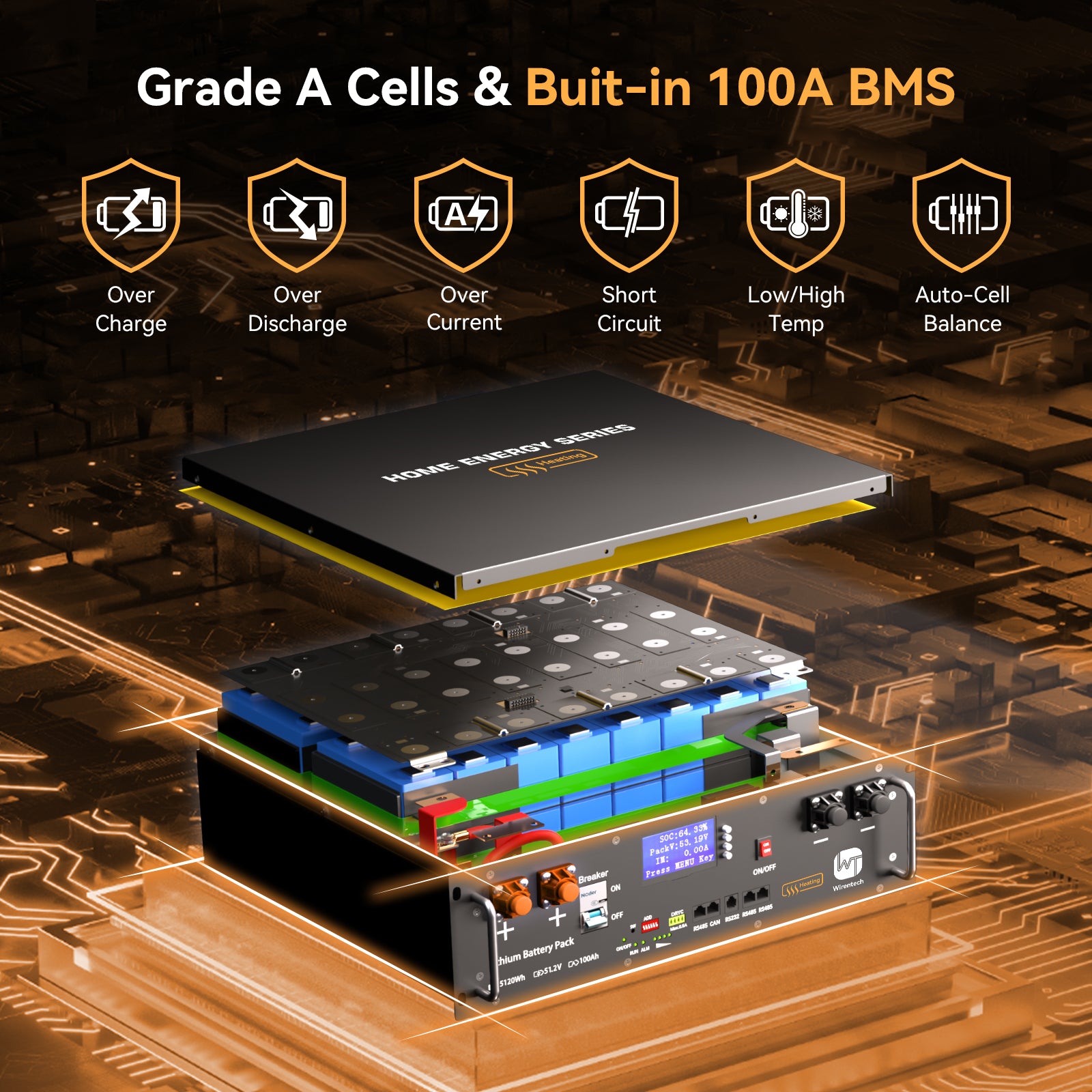
- Built-in BMS protection
- Compatibility with scalable solar storage designs
Final Answer: How Many Server Rack Batteries Do You Need?
The answer depends on your target:
| Goal | Recommended Battery Quantity |
|---|---|
| Emergency backup | 1 battery |
| Basic home backup | 2 batteries |
| Most residential systems | 4 batteries |
| Larger solar/off-grid systems | 6+ batteries |
For most homeowners, the best starting recommendation is:
4 × 51.2V 100Ah rack batteries (about 20kWh total storage).
This provides a practical balance between backup duration, system cost, and future expansion.
![[Pre-Order] Wirentech 12kW Hybrid Solar Inverter with Bypass for Home Energy Storage](http://wirentechshop.com/cdn/shop/files/12bp_bdcf00b1-989c-4581-bd54-0974ab610f28.png?v=1788318623&width=2000)
![[Pre-Order] Wirentech 12kW Hybrid Solar Inverter with Bypass for Home Energy Storage](http://wirentechshop.com/cdn/shop/files/G01-purchase-overview-2000x2000_239b36c9-5789-4dde-ac70-4fa1f1710694.jpg?v=1788855790&width=2000)
![[Pre-Order] Wirentech 12kW Hybrid Solar Inverter with Bypass for Home Energy Storage](http://wirentechshop.com/cdn/shop/files/G02-application-fit-2000x2000_ed7587c3-7052-442c-8988-58b2b01e63c2.jpg?v=1788855790&width=2000)
![[Pre-Order] Wirentech 12kW Hybrid Solar Inverter with Bypass for Home Energy Storage](http://wirentechshop.com/cdn/shop/files/G03-solar-input-2000x2000_767280a4-e107-4dfe-9ecf-ae5577ec7c7c.jpg?v=1788855790&width=2000)


Share:
What Is a UL-Certified Server Rack Battery?
UL1973 vs UL9540A Battery: What Is the Difference?