
When choosing a home energy storage system, many homeowners start with one question:
How much battery capacity do I need?
However, battery size is only one part of the decision.
A complete residential energy storage system needs to match your solar production, hybrid inverter, battery storage, and household electricity demand.
The typical energy flow is:
Solar PV → Hybrid Inverter → Battery Storage → Hybrid Inverter → Home Loads
Solar panels generate electricity. The hybrid inverter manages energy conversion, battery charging, battery discharge, and power delivery. The battery stores energy so it can be used when solar production is lower.
The best system is not the biggest battery or the highest-power inverter.
It is the system that matches your home.

Understand Your Home Energy Storage Goal
Before choosing a battery system, first understand why you need energy storage.
Different goals lead to different system designs.
Solar Self-Consumption
If your goal is to store solar energy and use it later, your priority is improving solar usage.
The main factors are:
- Solar production
- Battery capacity
- Hybrid inverter compatibility
A properly sized system stores excess solar energy during the day and makes it available when needed.
Backup Power
If your goal is protection during power outages, the question changes from “how much energy can I store?” to “which loads do I need to support?”
Important considerations include:
- Refrigerator
- Lighting
- Internet equipment
- Security systems
- Other essential circuits
A backup system for essential loads requires a different design from a system intended to power an entire home.
Whole Home Backup
Whole-home backup requires coordination between battery capacity and inverter output.
A larger battery provides longer runtime.
A larger inverter supports more appliances at the same time.
Both need to be planned together.
How Battery and Hybrid Inverter Work Together
A common mistake is choosing a battery first and treating the inverter as a secondary component.
In a home energy storage system, the hybrid inverter is the control center.
It manages:
- Solar energy conversion
- Battery charging
- Battery discharge
- Grid interaction
- Electricity delivery to home loads
The battery determines how much energy can be stored.
The inverter determines how much power can be delivered.
For example, a large battery with a smaller inverter may store enough energy but may not support high-power appliances simultaneously.
This is why battery and inverter selection should always be considered together.
Rack Battery vs Wall-Mounted Battery: Which One Should You Choose?
Rack batteries and wall-mounted batteries are the two most common residential energy storage formats.
Both can use LiFePO4 technology, but they are designed for different priorities.
| Factor | Rack Battery | Wall-Mounted Battery |
|---|---|---|
| Expansion | Excellent | Good |
| Installation style | Modular | Residential-focused |
| Capacity growth | Add modules | Larger single-unit design |
| Flexibility | Higher | Simpler |
| Appearance | Technical | Cleaner home design |
| Best for | Custom systems | Integrated home storage |
Choose Rack Battery If You Need Flexible Expansion
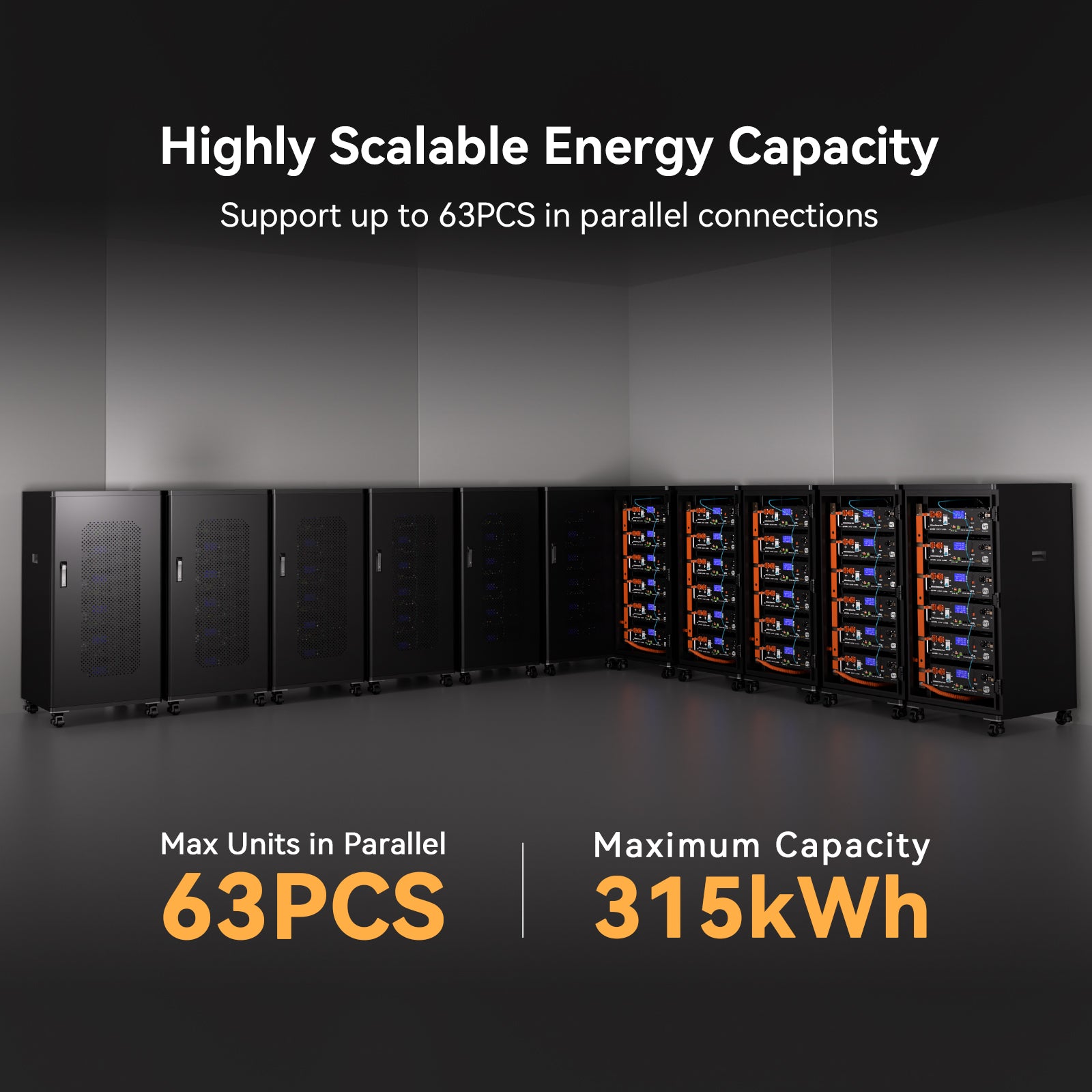
Rack batteries are designed for homeowners who want a system that can grow over time.
They are a good fit when you want:
- Modular expansion
- Flexible system sizing
- Future battery additions
- More control over configuration
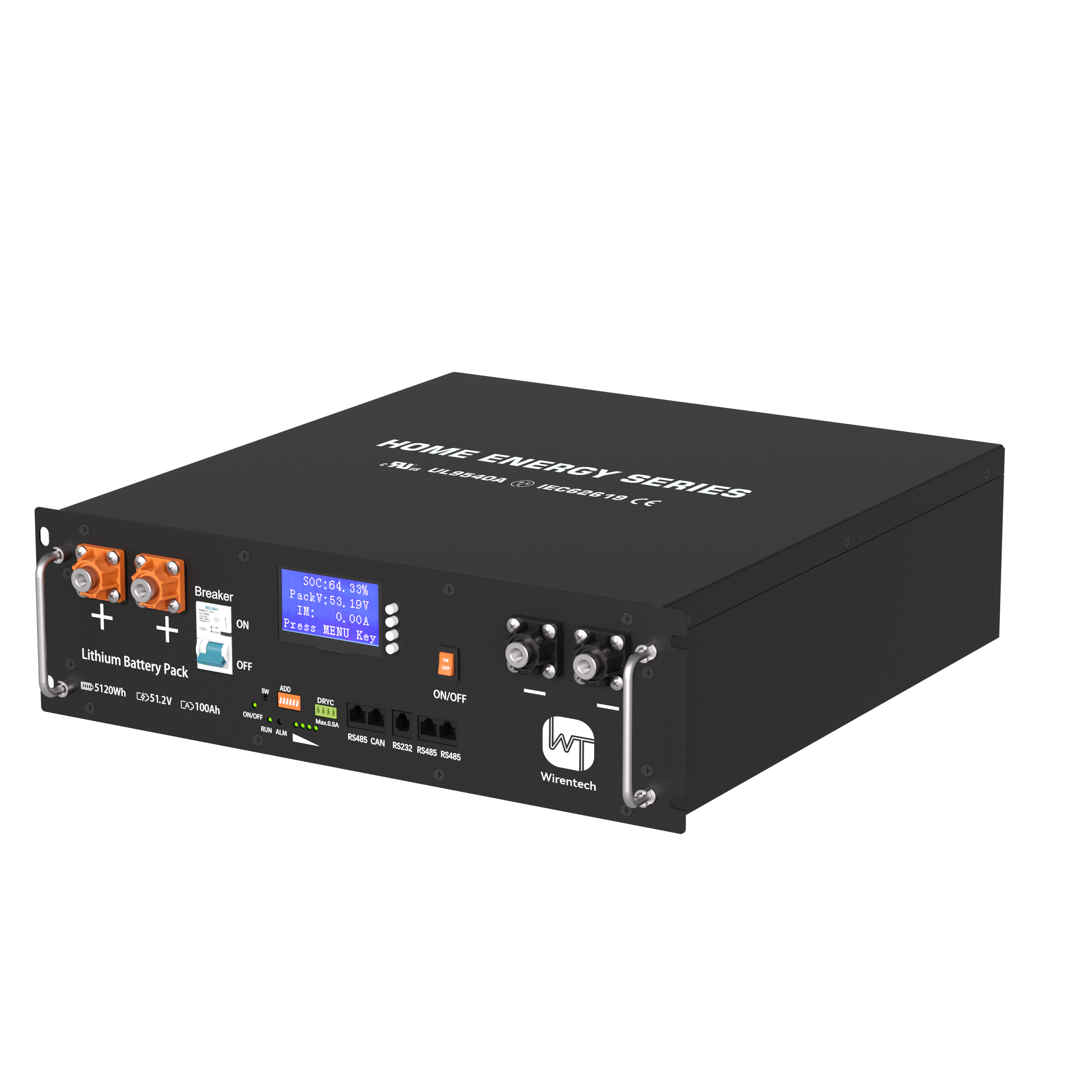
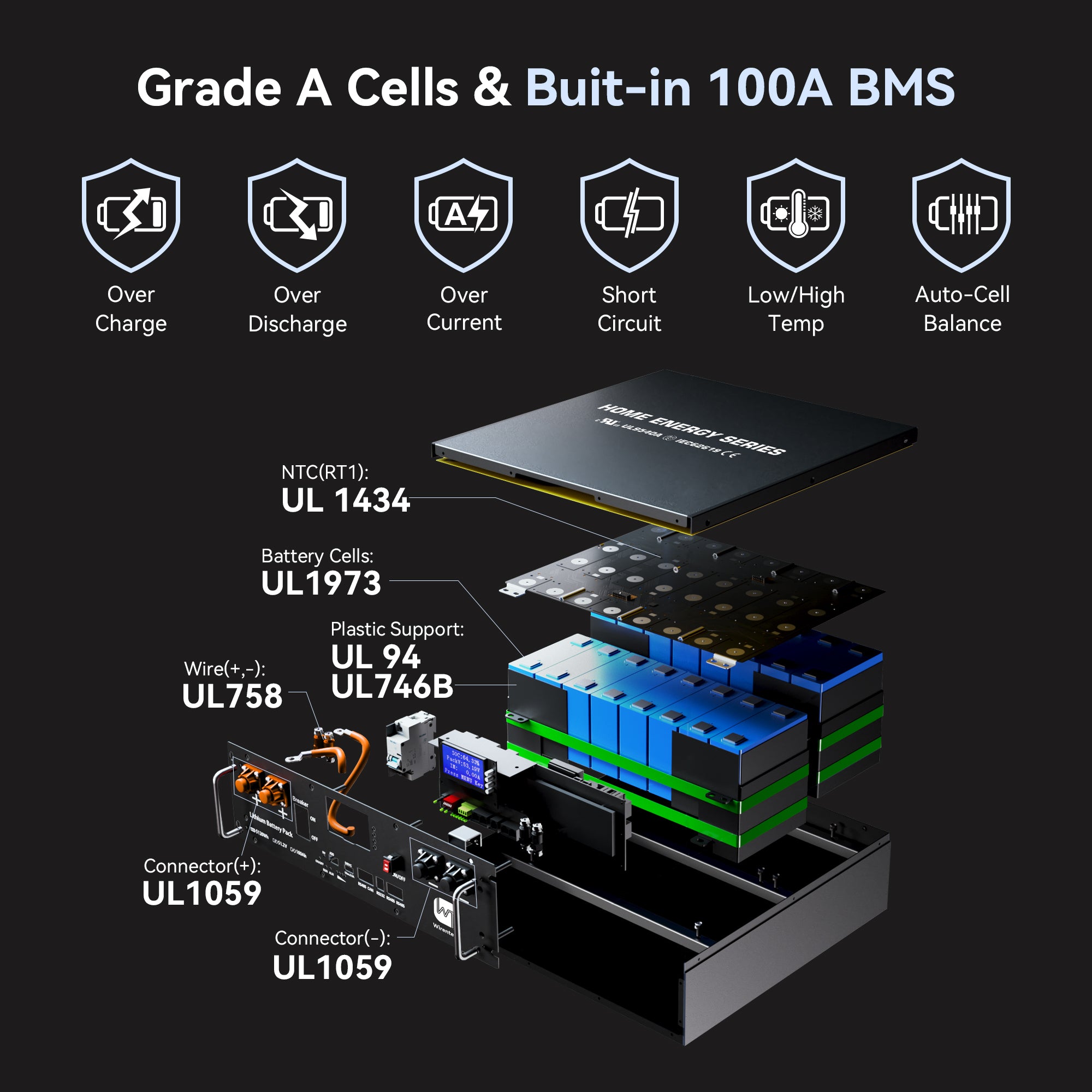
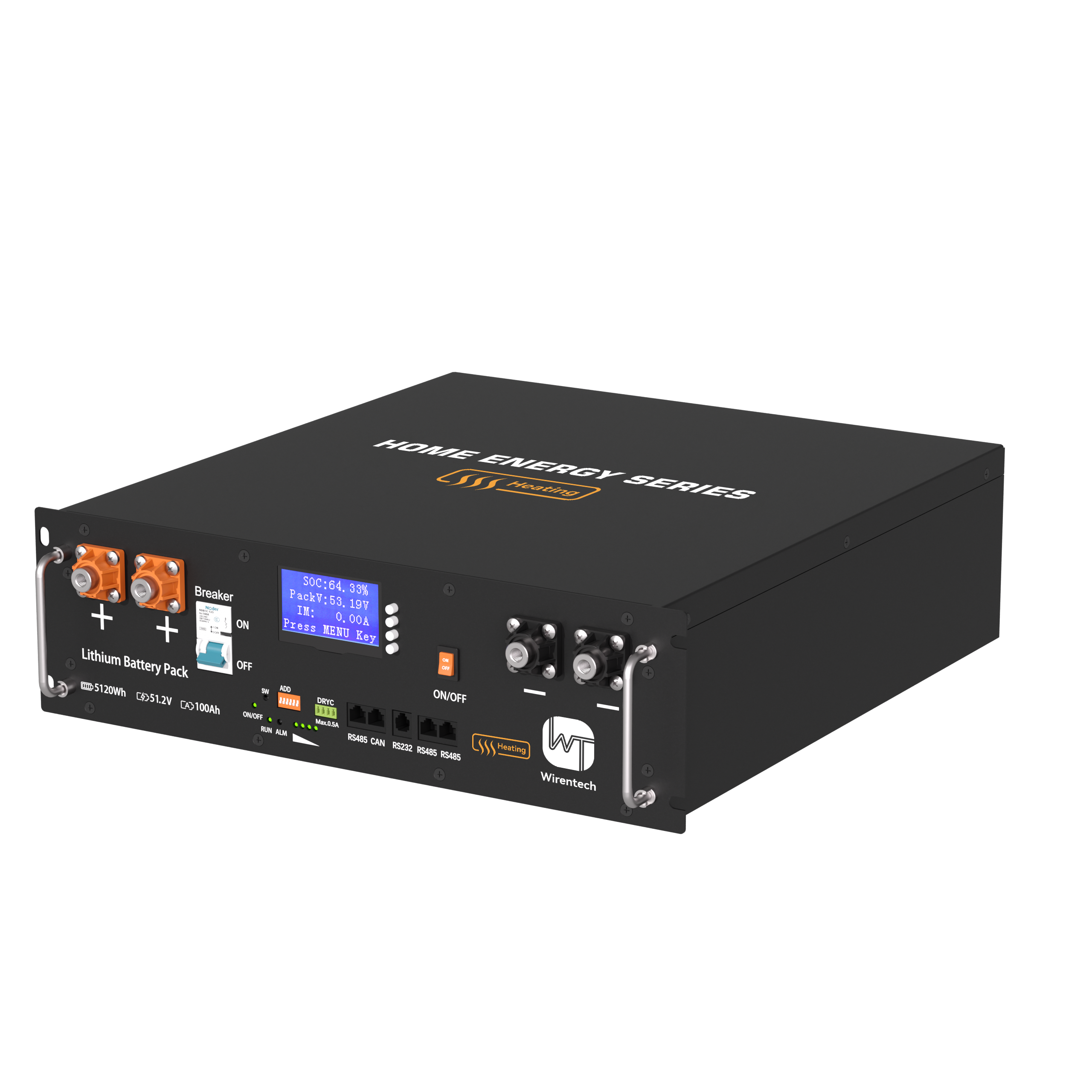
The Wirentech WT5100 UL Rack Battery provides approximately 5.12kWh storage per module with a 51.2V 100Ah configuration.
The advantage is not only the storage capacity.
The advantage is that you can build the system based on your actual energy requirements.
Example:
| Configuration | Suitable For |
|---|---|
| 1 × WT5100 | Essential backup |
| 2 × WT5100 | Longer backup duration |
| Multiple units | Larger residential storage |
Learn more:
Rack Battery vs Wall-Mounted Battery

Choose Wall Battery If You Prefer Simpler Residential Installation
Wall-mounted batteries are designed for homeowners who prefer:
- Cleaner appearance
- Easier residential integration
- Larger capacity from fewer units
They are usually a better choice when your required storage size is already clear.
Choose wall battery if:
- You want a more finished home installation
- You prefer fewer battery units
- Installation appearance is important
Learn more:
How Much Battery Capacity Do You Need?
Battery capacity determines how long your home can use stored energy.
The correct size depends on:
- Daily electricity consumption
- Backup duration
- Solar production
- Future expansion plans
Choosing the largest battery is not always the best decision.
The goal is matching storage with your actual energy usage.
| Battery Size | Best Fit |
|---|---|
| 5kWh class | Essential backup and smaller solar systems |
| 10kWh class | Medium residential storage |
| 20kWh+ | Whole-home backup and higher demand |
Is a 5kWh Battery Enough?
A 5kWh-class battery system is suitable for homeowners who want a practical starting point.
A single WT5100 provides approximately 5.12kWh storage.
It is suitable for:
- Basic backup loads
- Smaller solar systems
- Users who want future expansion
Choose this option if:
You need essential backup today but may increase capacity later.
Learn more:
51.2V 100Ah Rack Battery: Is 5.12kWh Enough
When Do You Need 10kWh or More?
A larger battery system is better when you need:
- Longer backup time
- More household coverage
- Higher daily energy storage
Typical applications:
- Medium homes
- Larger solar systems
- Longer outage protection
Learn more:
5kWh vs 10kWh vs 20kWh Battery Backup

How Many Batteries Do You Need?
The number of batteries depends on:
- Your electricity usage
- Required backup time
- Hybrid inverter size
- Future expansion plans
A simple decision:
| Situation | Battery Direction |
|---|---|
| Essential appliances only | Smaller battery system |
| Daily backup usage | Multiple battery modules |
| Whole-home backup | Larger battery bank |
Learn more:
How Many Server Rack Batteries Do You Need
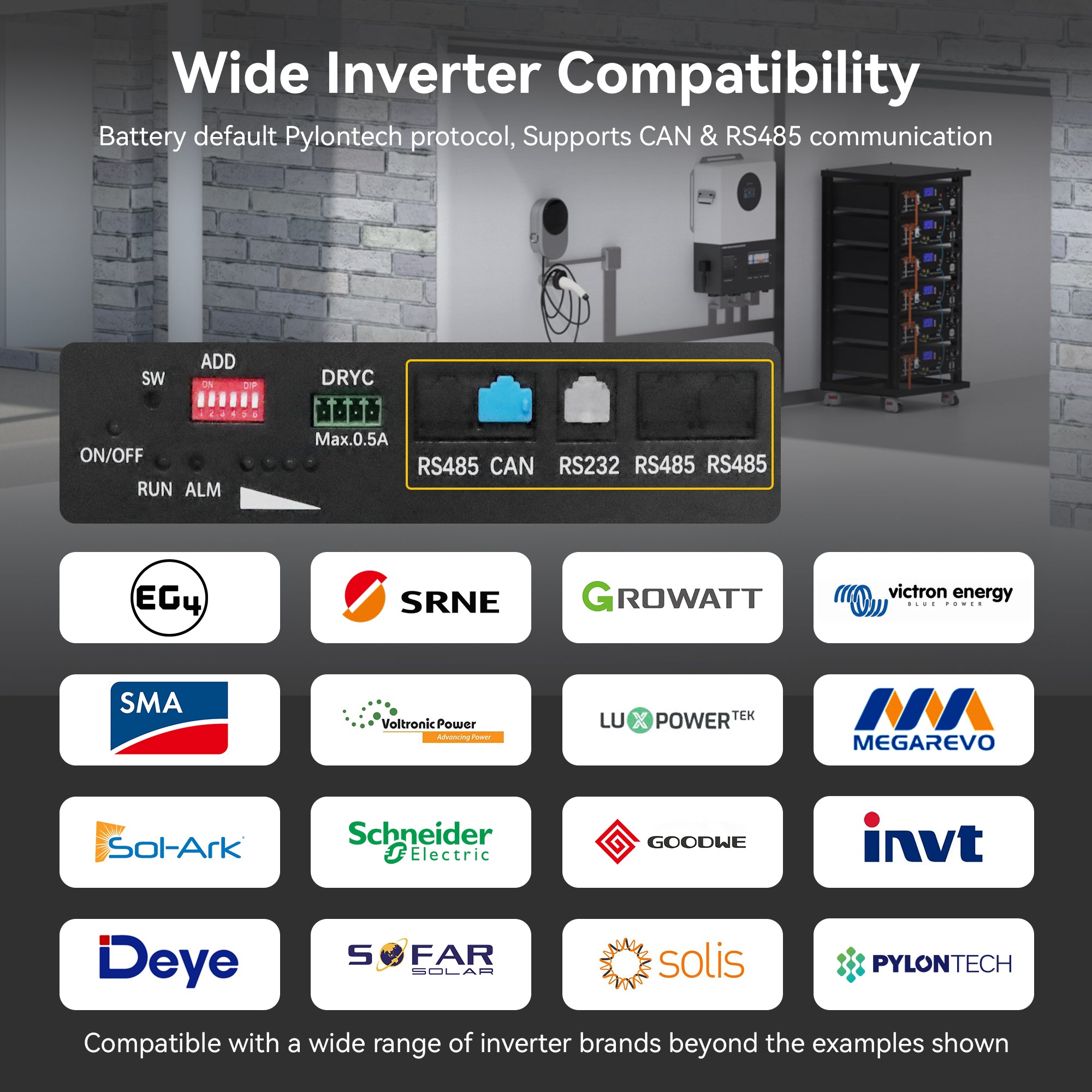
How to Match a Hybrid Inverter With Your Battery System
Every home energy storage system requires a properly matched hybrid inverter.
The inverter should support:
- Solar input
- Battery voltage
- Household loads
- Backup requirements
Wirentech Hybrid Inverter solutions include different power ranges designed for different system sizes.
| System Requirement | Hybrid Inverter Direction |
|---|---|
| Essential backup | 3.6kW–6.5kW |
| Medium residential storage | 6.5kW–7.2kW |
| Larger home systems | 10kW |
| Whole-home backup | 10kW–12kW |
Choose a Standard Hybrid Inverter If
You need:
- Solar storage
- Battery backup
- Normal household loads
Choose a Higher Power Hybrid Inverter If
You need:
- More appliances running together
- Larger battery systems
- Higher household demand
Choose a Hybrid Inverter With Bypass If
You need:
- More complete backup management
- Critical load protection
- Better power switching capability
Learn more:
How to Match a 51.2V Rack Battery with a Solar Inverter

Do You Need a Self-Heating LiFePO4 Battery?
Battery installation environment is one of the most overlooked decisions.
A standard LiFePO4 battery is usually suitable for:
- Indoor installation
- Utility rooms
- Stable temperature environments
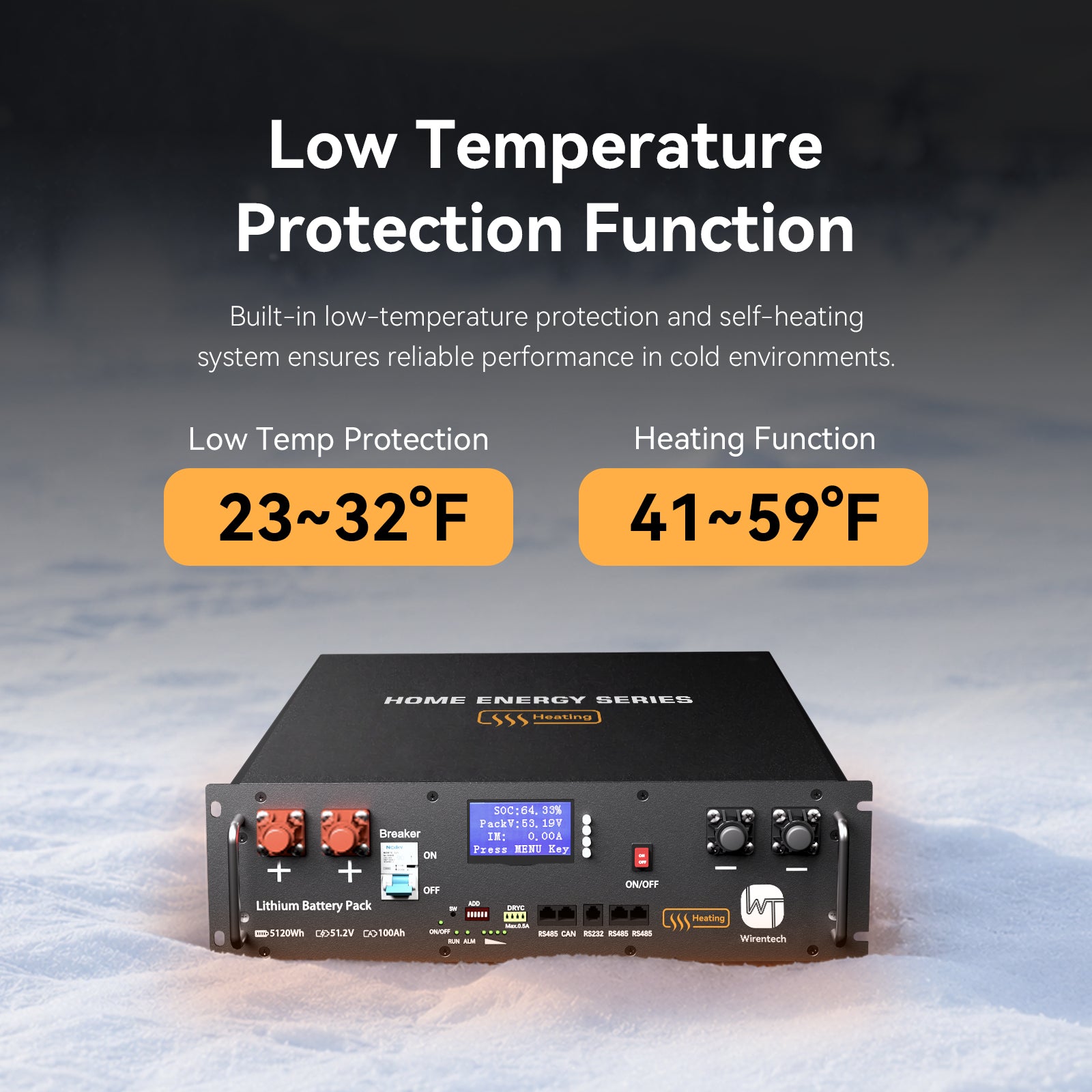
A self-heating battery is designed for colder conditions.
Choose self-heating if:
- Battery is installed outdoors
- Garage temperatures drop significantly
- RV or cabin use in winter
- Off-grid cold climates
Choose standard LiFePO4 if:
Your battery is installed in a controlled environment.
Learn more:
Do You Need a Self-Heating LiFePO4 Battery
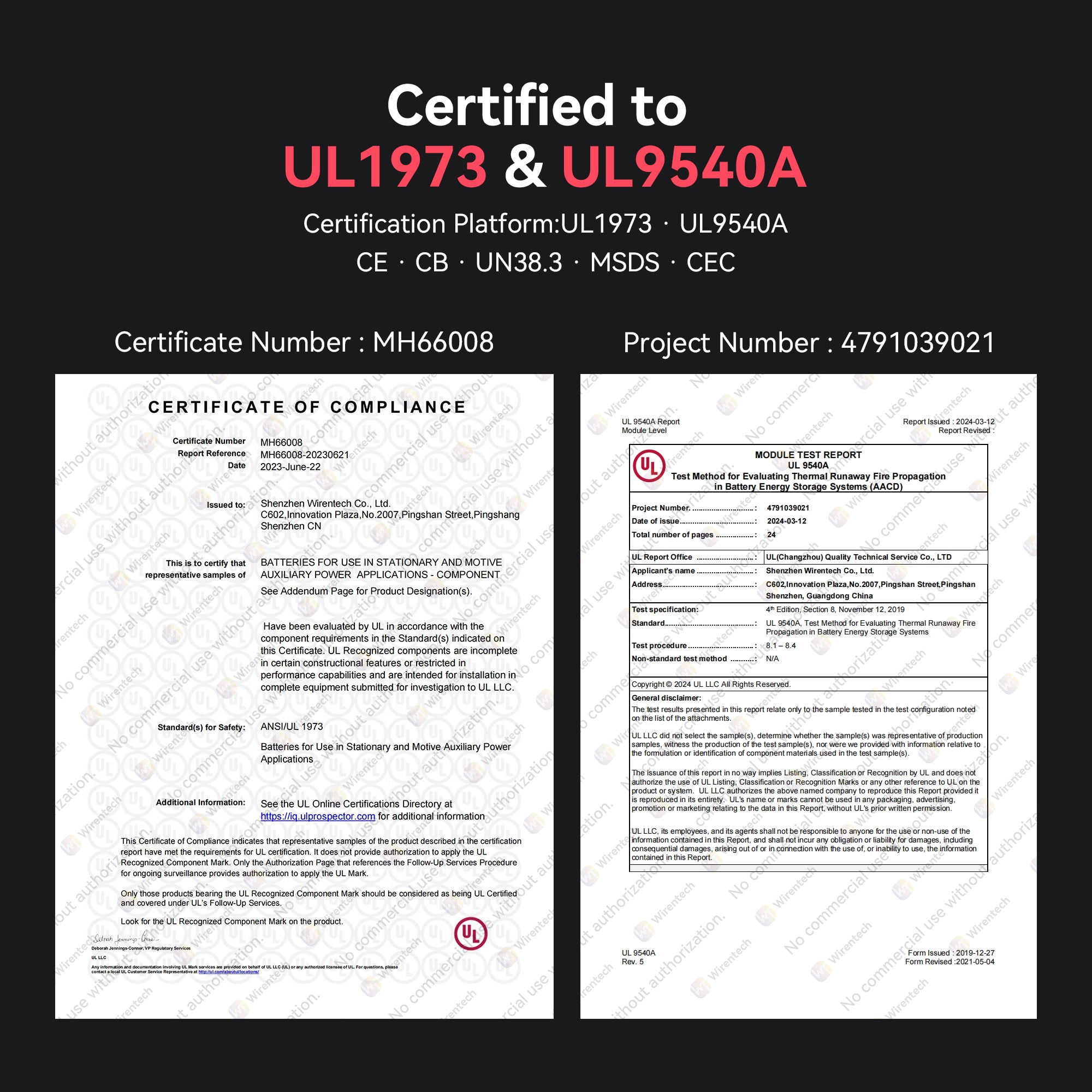
What Should You Know About Battery Certifications?
Battery certification is another important factor when selecting a home energy storage system.
Buyers should check:
- Battery model certification
- Installation requirements
- Project requirements
Certification should support your specific application rather than being treated as a universal feature.
Learn more:
What Is a UL-Certified Server Rack Battery
UL1973 vs UL9540A: Why Buyers Compare Them
UL1973 and UL9540A are commonly discussed in energy storage projects.
Understanding the difference helps homeowners and installers evaluate battery solutions more effectively.
Learn more:
Common Mistakes When Choosing Home Energy Storage
Choosing Battery Capacity Without Considering Loads
More storage does not always mean a better system.
Your battery size should match:
- Actual electricity usage
- Backup requirements
- Solar production
Choosing Battery and Inverter Separately
The battery stores energy.
The inverter converts and manages that energy.
They should be selected as one system.
Ignoring Future Expansion
A good system should support future changes, including:
- Additional batteries
- Higher electricity demand
- More solar production
Which Home Energy Storage System Should You Choose?
The fastest decision:
| Your Situation | Recommended Choice |
|---|---|
| Want flexible expansion | WT5100 Rack Battery |
| Want cleaner residential installation | Wall Battery |
| Need starting storage | 5kWh-class system |
| Need longer backup | Multiple battery modules |
| Cold installation environment | Self-heating battery |
| Whole-home backup | Larger battery + suitable Hybrid Inverter |
Recommended Home Energy Storage Solution
Primary Recommendation: WT5100 UL Rack Battery System
For homeowners who want flexibility and future expansion, the WT5100 rack battery is the recommended starting point.
It fits users who need:
- Modular storage
- Expandable capacity
- Solar backup capability
Pair it with a properly sized Hybrid Inverter based on your household loads.
Alternative: Wall-Mounted Battery System
For homeowners who prioritize:
- Residential appearance
- Larger capacity per unit
- Simpler installation
A wall battery can be a better fit.
Final Decision: How to Choose the Right Home Energy Storage System
The decision comes down to four questions:
Do you need flexibility?
→ Choose Rack Battery
Do you want simpler residential installation?
→ Choose Wall Battery
Do you need longer backup?
→ Increase battery capacity
Do you need more household power?
→ Choose a higher-power Hybrid Inverter
A complete home energy storage system is built by matching:
Solar production 、Hybrid inverter 、Battery storage and Household energy needs
![[Pre-Order] IP65 Wirentech WP51314 51.2V 314Ah 16kWh Powerwall LiFePO4 Battery](http://wirentechshop.com/cdn/shop/files/WP51314.png?v=1779699725&width=1280)


![[Pre-Order] Wirentech 12kW Hybrid Solar Inverter with Bypass for Home Energy Storage](http://wirentechshop.com/cdn/shop/files/12bp_bdcf00b1-989c-4581-bd54-0974ab610f28.png?v=1788318623&width=2000)
![[Pre-Order] Wirentech 12kW Hybrid Solar Inverter with Bypass for Home Energy Storage](http://wirentechshop.com/cdn/shop/files/G01-purchase-overview-2000x2000_239b36c9-5789-4dde-ac70-4fa1f1710694.jpg?v=1788855790&width=2000)
![[Pre-Order] Wirentech 12kW Hybrid Solar Inverter with Bypass for Home Energy Storage](http://wirentechshop.com/cdn/shop/files/G02-application-fit-2000x2000_ed7587c3-7052-442c-8988-58b2b01e63c2.jpg?v=1788855790&width=2000)
![[Pre-Order] Wirentech 12kW Hybrid Solar Inverter with Bypass for Home Energy Storage](http://wirentechshop.com/cdn/shop/files/G03-solar-input-2000x2000_767280a4-e107-4dfe-9ecf-ae5577ec7c7c.jpg?v=1788855790&width=2000)


Share:
Rack Battery vs Wall-Mounted Battery: Which Should You Choose?