
Choosing the right battery backup size is one of the most important decisions when building a home energy storage system.
Many homeowners compare batteries by capacity: 5kWh, 10kWh, or 20kWh. However, the biggest battery is not always the best choice. The correct system size depends on how much electricity you use, which appliances you want to keep running, and how long you need backup power.
A small battery may be enough for emergency backup, while a larger system may be required for solar storage and whole-home backup.
For most residential systems, the goal is not to buy the maximum capacity possible. It is to choose a battery size that matches your actual energy needs and allows future expansion.
Start With Your Home Energy Storage Plan
Before choosing between 5kWh, 10kWh, and 20kWh, it helps to understand the overall battery selection process.
If you are still deciding which type of home battery system fits your needs, read our complete guide:
How to Choose the Right Home Energy Storage Battery
This guide covers:
- Rack battery vs wall-mounted battery
- Battery capacity planning
- Solar storage system design
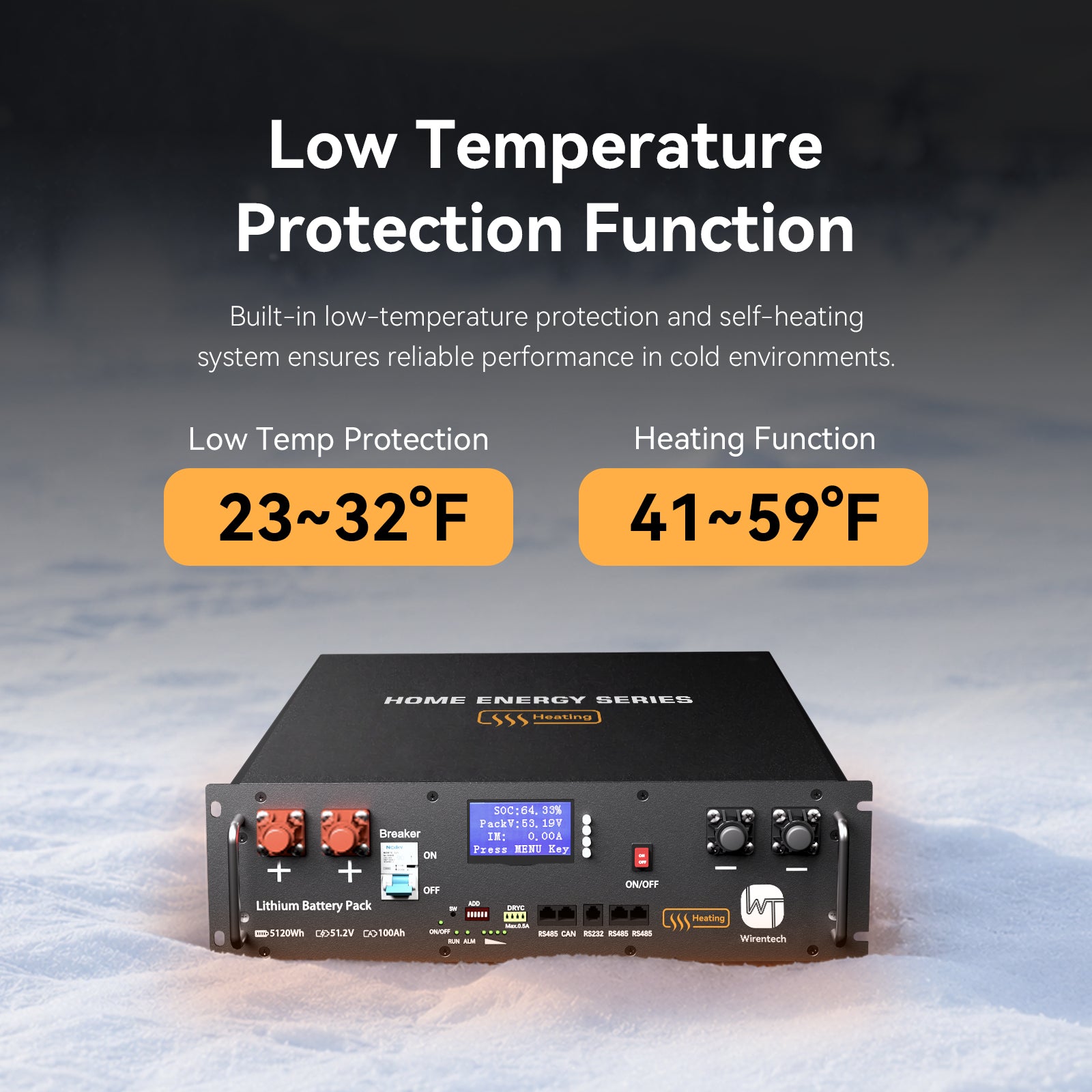
- Self-heating battery requirements
What Does Battery Capacity Mean?
Battery capacity is measured in kilowatt-hours (kWh), which represents how much energy a battery can store.
For example:
A 1kW appliance running for one hour uses approximately 1kWh of energy.
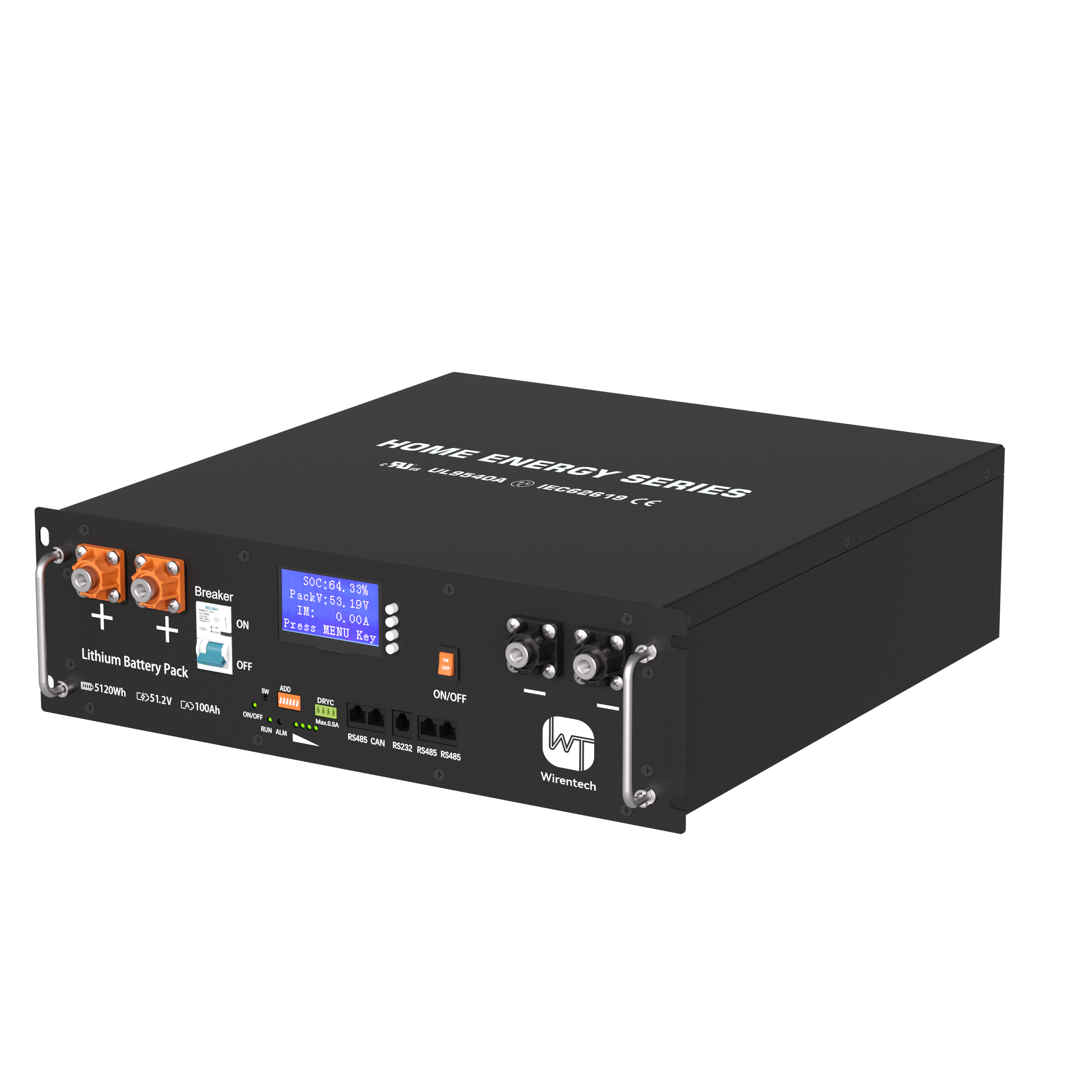
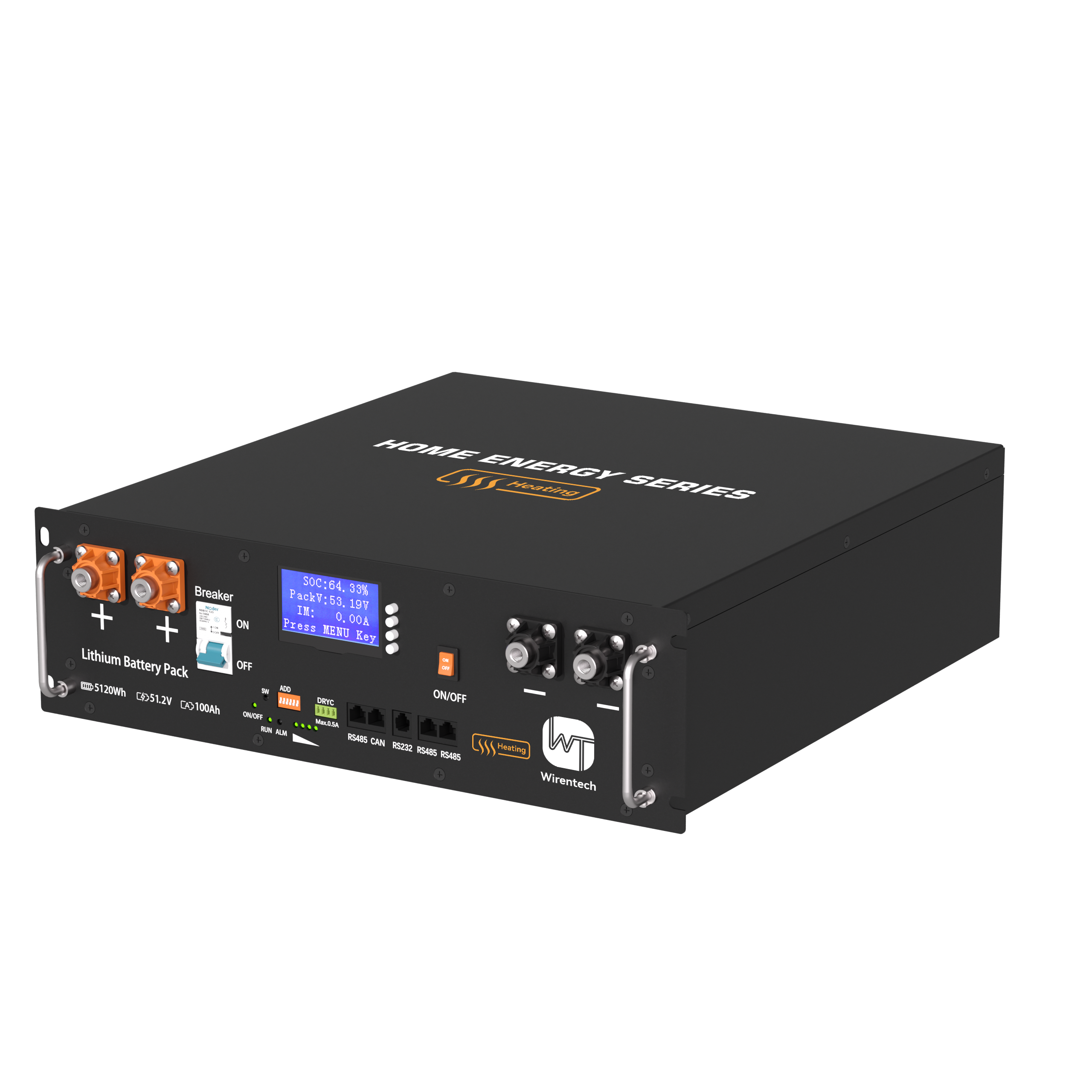
A 51.2V 100Ah rack battery provides:
51.2V × 100Ah = 5.12kWh
This means one WT5100 battery module stores approximately 5.12kWh of energy.
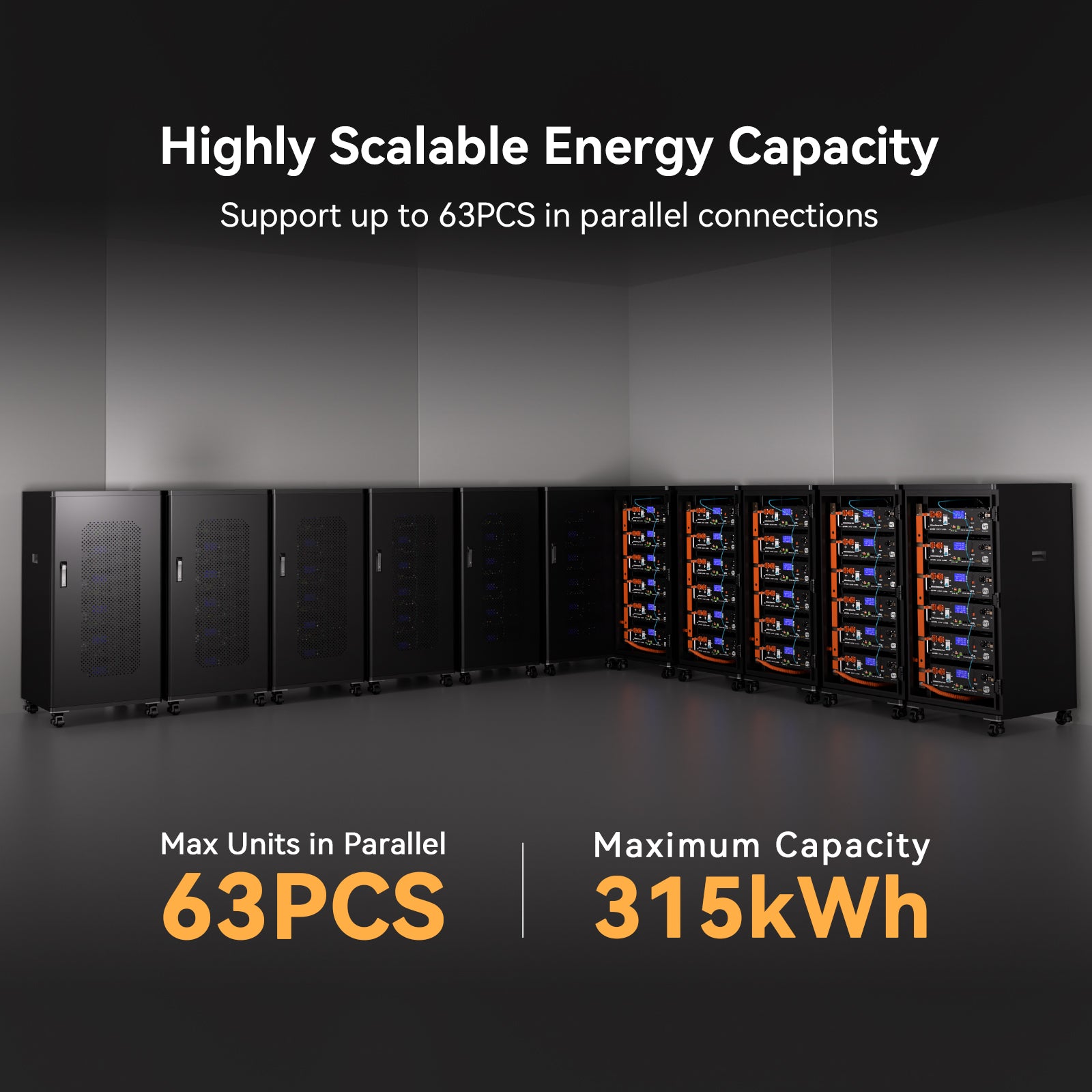
Multiple modules can be combined to create larger systems:
| Battery Configuration | Total Capacity |
|---|---|
| 1 × 51.2V 100Ah battery | 5.12kWh |
| 2 × batteries | 10.24kWh |
| 4 × batteries | 20.48kWh |
| 6 × batteries | 30.72kWh |
5kWh Battery Backup: Is It Enough?
A 5kWh battery system is usually the starting point for residential energy storage.
It works well for users who mainly want backup power for essential devices during outages.
A 5kWh system can typically support:
- WiFi and communication devices
- LED lighting
- Refrigerator
- Security systems
- Small electronics
For homeowners who only need short-term emergency backup, one 5.12kWh rack battery can be a practical solution.
However, a single 5kWh battery is usually not designed for running large appliances for long periods, such as central air conditioning, electric heating, or an entire home without load management.
10kWh Battery Backup: A Balanced Home Backup Option
A 10kWh battery system provides more flexibility for homeowners who want longer backup time.
This configuration is commonly built with:
2 × 5.12kWh rack batteries
Compared with a single battery, a 10kWh system can support more household loads and provide longer runtime during outages.
It is often suitable for:
- Refrigerators
- Lighting
- Internet equipment
- Entertainment devices
- Essential home circuits
For many households, 10kWh represents a practical middle option between basic backup and larger solar storage systems.
20kWh Battery Backup: A Common Residential Target
A 20kWh battery system is one of the most common choices for homeowners who want reliable backup and solar energy storage.
This configuration typically uses:
4 × 5.12kWh rack batteries
A 20kWh system provides more flexibility for:
- Longer outage protection
- Larger solar systems
- More household circuits
- Future energy expansion
For homeowners planning long-term energy storage, 20kWh is often a better fit than starting with a smaller system that may require upgrades later.
5kWh vs 10kWh vs 20kWh Battery Comparison
| Battery Size | Best For | Typical Use |
|---|---|---|
| 5kWh | Basic backup | Essential loads, short outages |
| 10kWh | Medium backup | More appliances, longer runtime |
| 20kWh | Residential storage | Solar backup, extended power needs |
The right choice depends on your energy goals:
- Choose 5kWh if you only need essential backup.
- Choose 10kWh if you need more runtime and household coverage.
- Choose 20kWh if you want a practical residential solar storage system.
How to Calculate Your Battery Backup Requirement
The simplest calculation is:
Energy Usage × Backup Time = Required Battery Capacity
Start by checking:
- Your daily electricity consumption
- The appliances you want to keep running
- Your expected outage duration
- Your solar generation capability
For example, a homeowner who only wants to keep essential circuits running during an outage may need much less capacity than someone who wants full-home backup.
Battery sizing should always match the actual application instead of choosing capacity based only on the largest available option.
Why Modular Rack Batteries Make Capacity Planning Easier
One advantage of server rack batteries is modular expansion.
Instead of purchasing a large battery system immediately, homeowners can start with a smaller configuration and add more batteries later.
For example:
A user may start with:
- 1 × 5.12kWh battery
Then expand to:
- 2 batteries
- 4 batteries
- 6+ batteries
as energy requirements increase.
This approach is useful for homeowners who plan to:
- Add more solar panels
- Increase backup coverage
- Add higher-power appliances
- Build larger off-grid systems
Rack Battery vs Wall-Mounted Battery for Backup Capacity
When comparing battery sizes, system design also matters.
| Factor | Rack Battery | Wall-Mounted Battery |
|---|---|---|
| Expansion | High flexibility | Usually fixed capacity |
| Starting size | Easy to scale | Often larger upfront |
| Future upgrades | Easier | More limited |
| Best fit | Growing energy systems | Fixed residential setups |
Rack batteries are often preferred by users who want flexibility because capacity can be increased over time.
Building a Home Backup System With WT5100
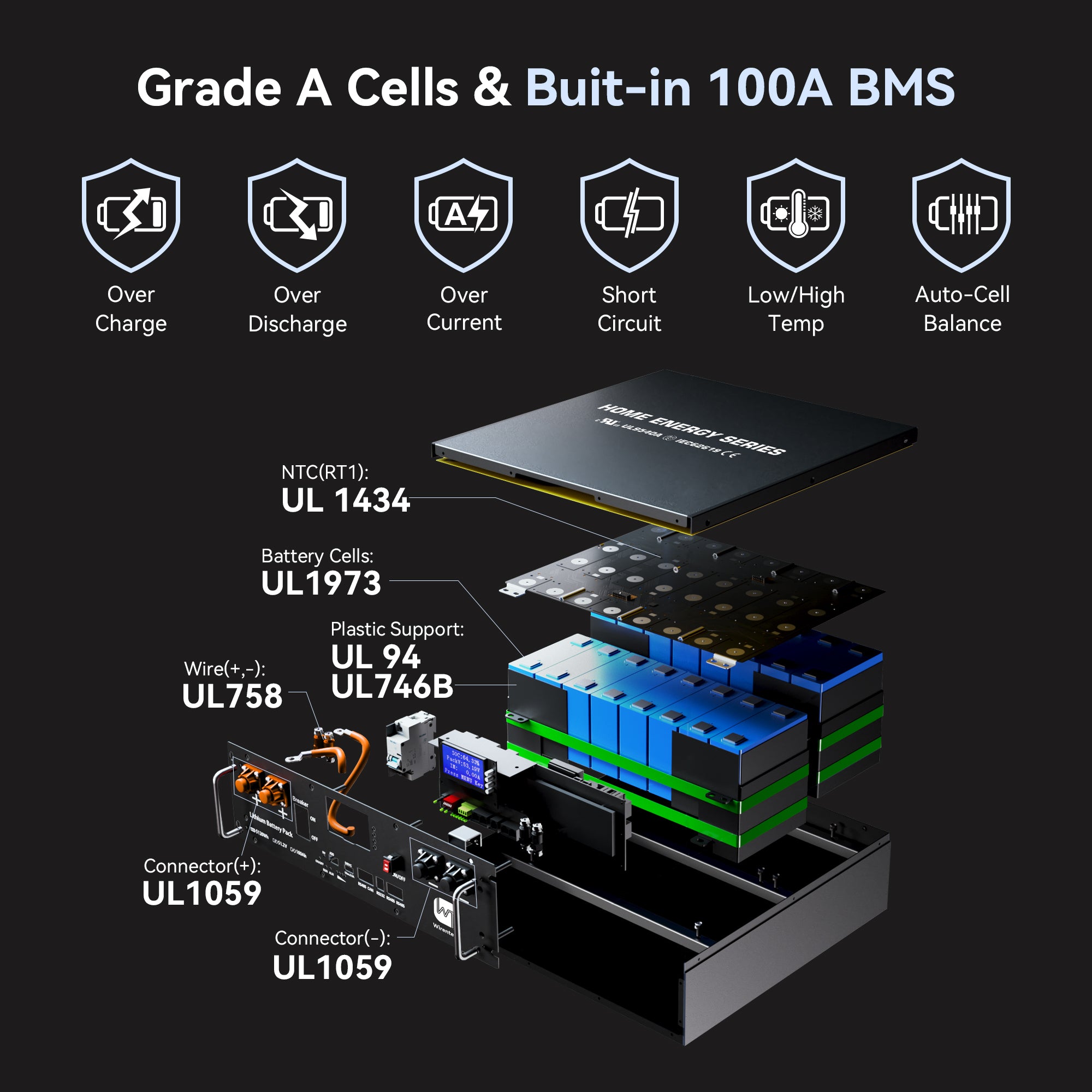
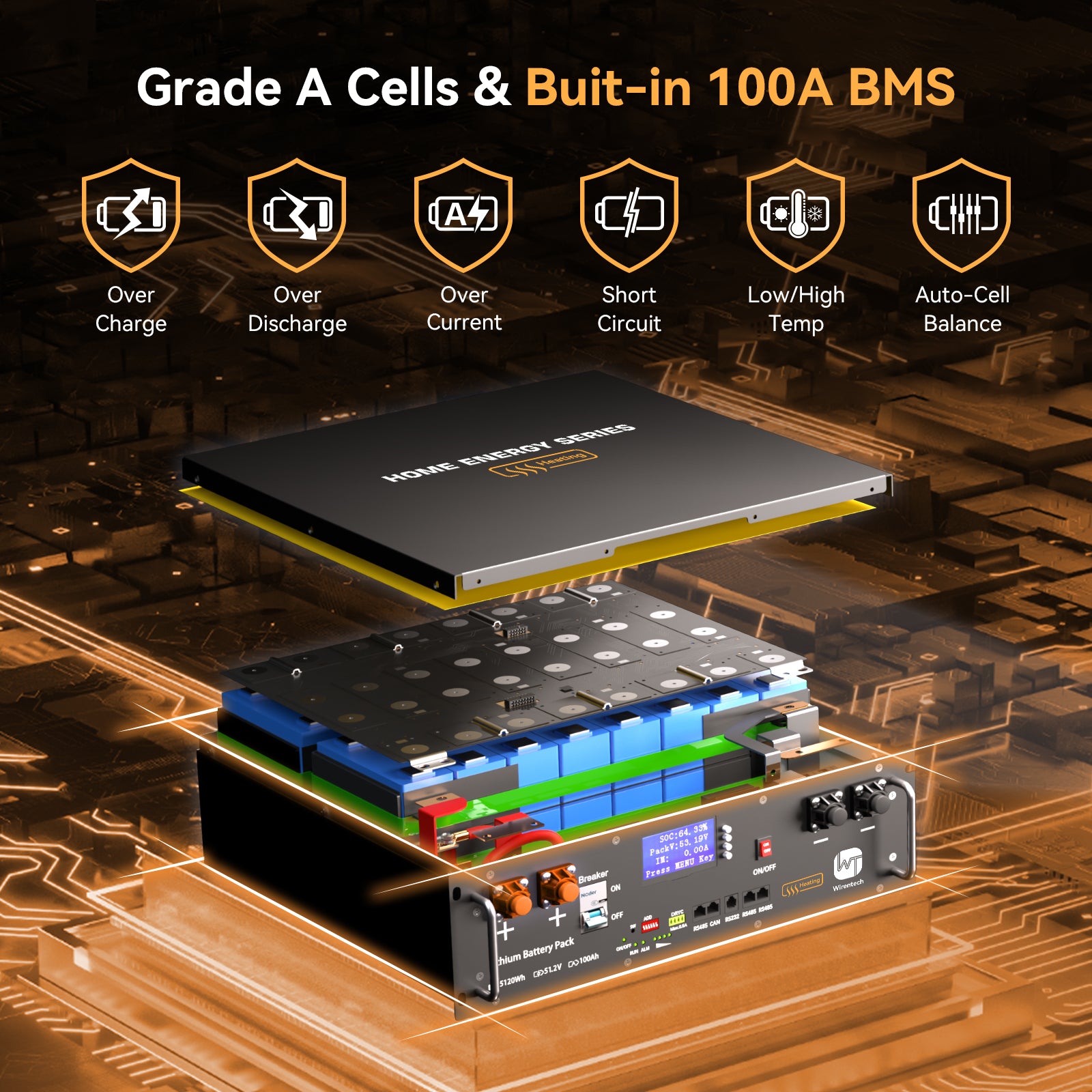
The Wirentech WT5100 uses a 51.2V 100Ah LiFePO4 rack battery design with approximately 5.12kWh energy capacity per module.
A typical system design could look like:
| System Goal | Recommended Configuration |
|---|---|
| Emergency backup | 1 battery |
| Basic home backup | 2 batteries |
| Residential solar storage | 4 batteries |
| Larger energy systems | 6+ batteries |
The modular design allows homeowners to build their system according to current needs while keeping future expansion possible.
Final Decision: Which Battery Size Should You Choose?
The answer depends on your goal.
5kWh: Best for essential backup and smaller energy needs.
10kWh: Best for homeowners who want more runtime and broader appliance coverage.
20kWh: Best for residential solar storage and longer backup duration.
For most homeowners planning a long-term energy storage system, a 20kWh configuration built from modular 5.12kWh rack batteries provides a practical balance between capacity, flexibility, and future expansion.
![[Pre-Order] IP65 Wirentech WP51314 51.2V 314Ah 16kWh Powerwall LiFePO4 Battery](http://wirentechshop.com/cdn/shop/files/WP51314.png?v=1779699725&width=1280)


![[Pre-Order] Wirentech 12kW Hybrid Solar Inverter with Bypass for Home Energy Storage](http://wirentechshop.com/cdn/shop/files/12bp_bdcf00b1-989c-4581-bd54-0974ab610f28.png?v=1788318623&width=2000)
![[Pre-Order] Wirentech 12kW Hybrid Solar Inverter with Bypass for Home Energy Storage](http://wirentechshop.com/cdn/shop/files/G01-purchase-overview-2000x2000_239b36c9-5789-4dde-ac70-4fa1f1710694.jpg?v=1788855790&width=2000)
![[Pre-Order] Wirentech 12kW Hybrid Solar Inverter with Bypass for Home Energy Storage](http://wirentechshop.com/cdn/shop/files/G02-application-fit-2000x2000_ed7587c3-7052-442c-8988-58b2b01e63c2.jpg?v=1788855790&width=2000)
![[Pre-Order] Wirentech 12kW Hybrid Solar Inverter with Bypass for Home Energy Storage](http://wirentechshop.com/cdn/shop/files/G03-solar-input-2000x2000_767280a4-e107-4dfe-9ecf-ae5577ec7c7c.jpg?v=1788855790&width=2000)


Share:
UL1973 vs UL9540A Battery: What Is the Difference?
Do You Need a Self-Heating LiFePO4 Battery?