
A 5.12kWh battery can cover selected essential loads, but the answer depends on average watts, surge, reserve, inverter losses, and recharge timing.
Shows a transparent runtime range without promising a universal result. Refrigeration, internet, lights, and a few outlets must run through an overnight outage. This guide turns that question into evidence a homeowner and qualified installer can review together.
Start With the Exact Is a 5.12kWh Rack Battery Enough for Home Backup? Decision
Measure or estimate the average watts of the selected loads, note cycling behavior and startup events, and separate the nameplate battery energy from the energy expected at the AC outlets.
A 5.12kWh battery can cover selected essential loads, but the answer depends on average watts, surge, reserve, inverter losses, and recharge timing. That boundary matters because a result for one load set, inverter, document revision, or installation layout cannot be treated as universal. Write unknowns down and assign an owner instead of filling them with a familiar industry value.
Shows a transparent runtime range without promising a universal result. Use the stated scenario as the first test case, then add a conservative case that is still realistic for the same site.
Is a 5.12kWh Rack Battery Enough for Home Backup? Worksheet
The table separates the answer, evidence, method, stop condition, and record. Complete every row with the exact product revision and site information before a buying or installation decision.
| Worksheet field | What to enter | How it controls the decision |
|---|---|---|
| Decision boundary | A 5.12kWh battery can cover selected essential loads, but the answer depends on average watts, surge, reserve, inverter losses, and recharge timing. | States the exact answer this page must support |
| Evidence to collect | Measure or estimate the average watts of the selected loads, note cycling behavior and startup events, and separate the nameplate battery energy from the energy expected at the AC outlets. | Replaces category assumptions with project inputs |
| Calculation or verification | Use runtime = nominal kWh × chosen usable fraction × assumed conversion efficiency ÷ average kW, then repeat the calculation with low, typical, and high measured load cases. | Creates a repeatable pass-or-hold method |
| Failure condition | Do not publish a single runtime promise, treat a refrigerator nameplate as continuous demand, or hide reserve and efficiency assumptions inside the answer. | Prevents an optimistic result from becoming a purchase claim |
| Permanent record | Keep the load sample period, formula inputs, assumed reserve, inverter efficiency source, result range, and recharge conditions next to the calculation. | Supports commissioning, service, and future updates |
Use a Calculation or Verification That Can Be Repeated
Use runtime = nominal kWh × chosen usable fraction × assumed conversion efficiency ÷ average kW, then repeat the calculation with low, typical, and high measured load cases.
A 5.12kWh nameplate does not mean 5.12kWh reaches appliances. If the planning inputs were 80% usable energy, 90% conversion efficiency, and a 0.6kW average load, the illustrative result would be about 6.1 hours; different verified inputs produce a different answer.
Show the source beside every input. When a value is an assumption, label it as an assumption and run a second case. When it is a product limit, cite the current exact-model manual rather than a category average or another Wirentech model.
Stress-Test the Result Before Treating It as Ready
Do not publish a single runtime promise, treat a refrigerator nameplate as continuous demand, or hide reserve and efficiency assumptions inside the answer.
Ask what changes when the largest expected load starts, battery voltage is lower under demand, solar recovery is weaker, a communication link is unavailable, or service access is required. Use only the cases that apply to this topic; the purpose is to expose the controlling constraint, not to add artificial margins.
What a hold result means
A hold is not a product failure. It means a required measurement, document, current limit, setting, structural value, or installation responsibility remains unresolved. Resolve that item with the current manual, written exact-model support, or qualified site review before proceeding.
Keep the Wirentech Product Claim Inside Its Evidence
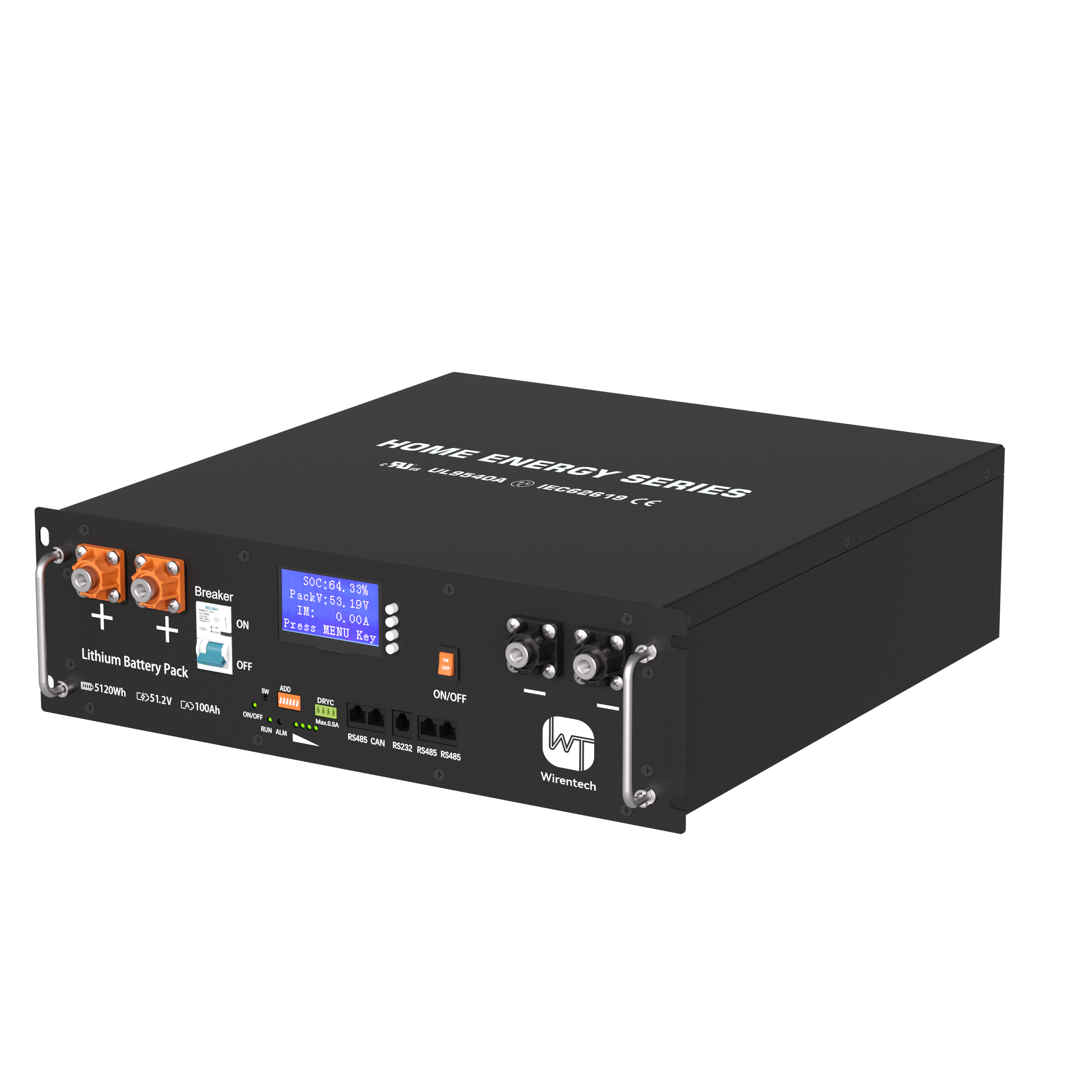
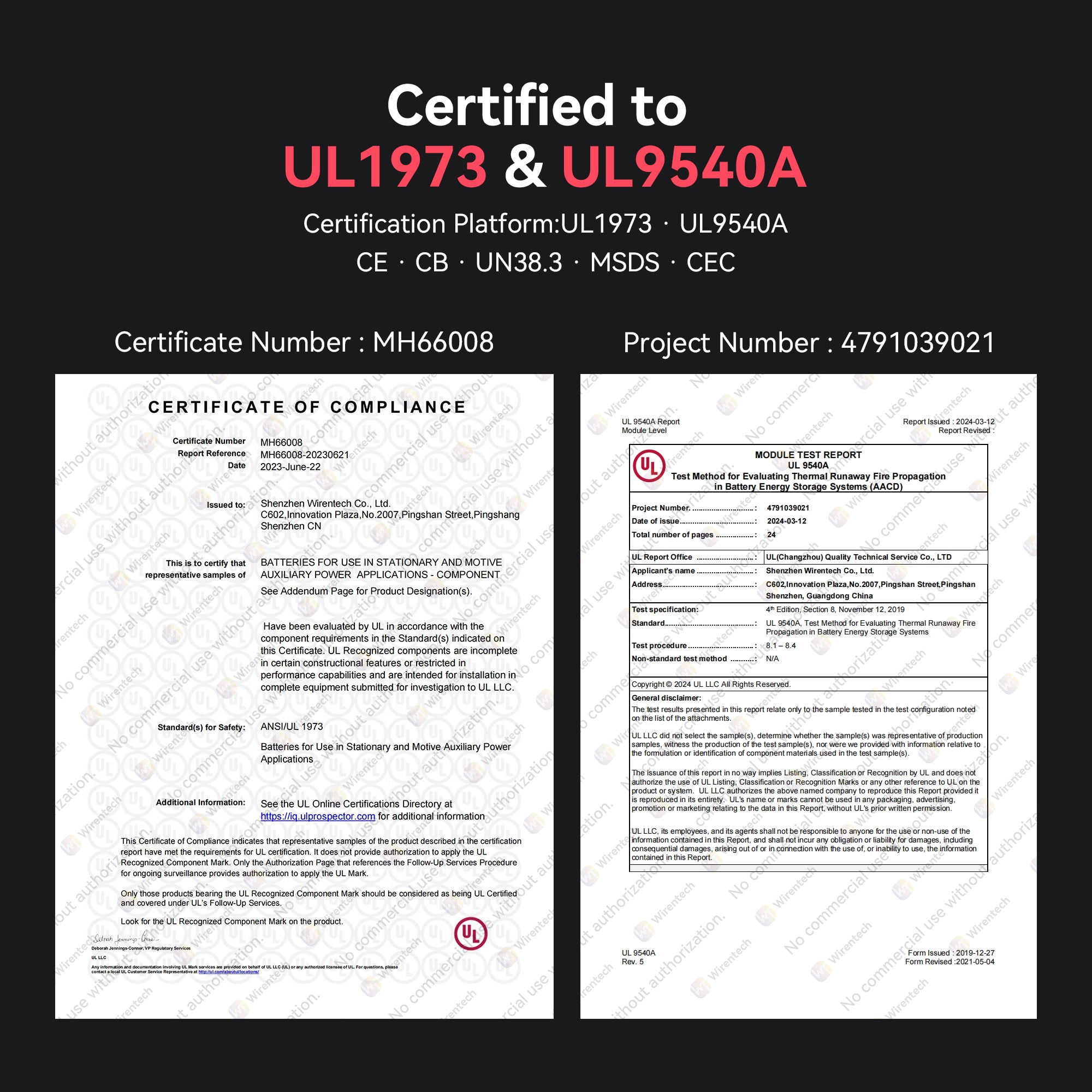
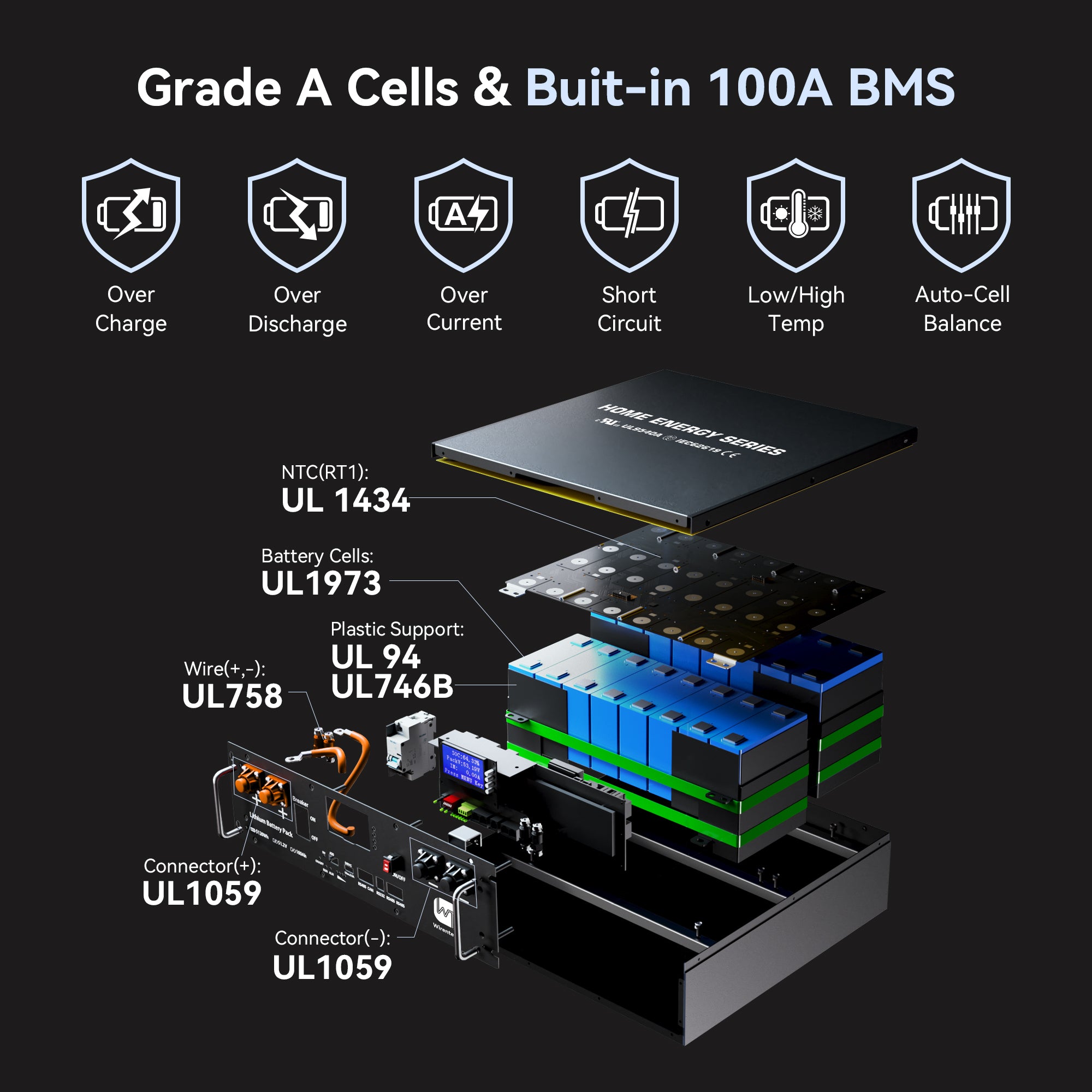
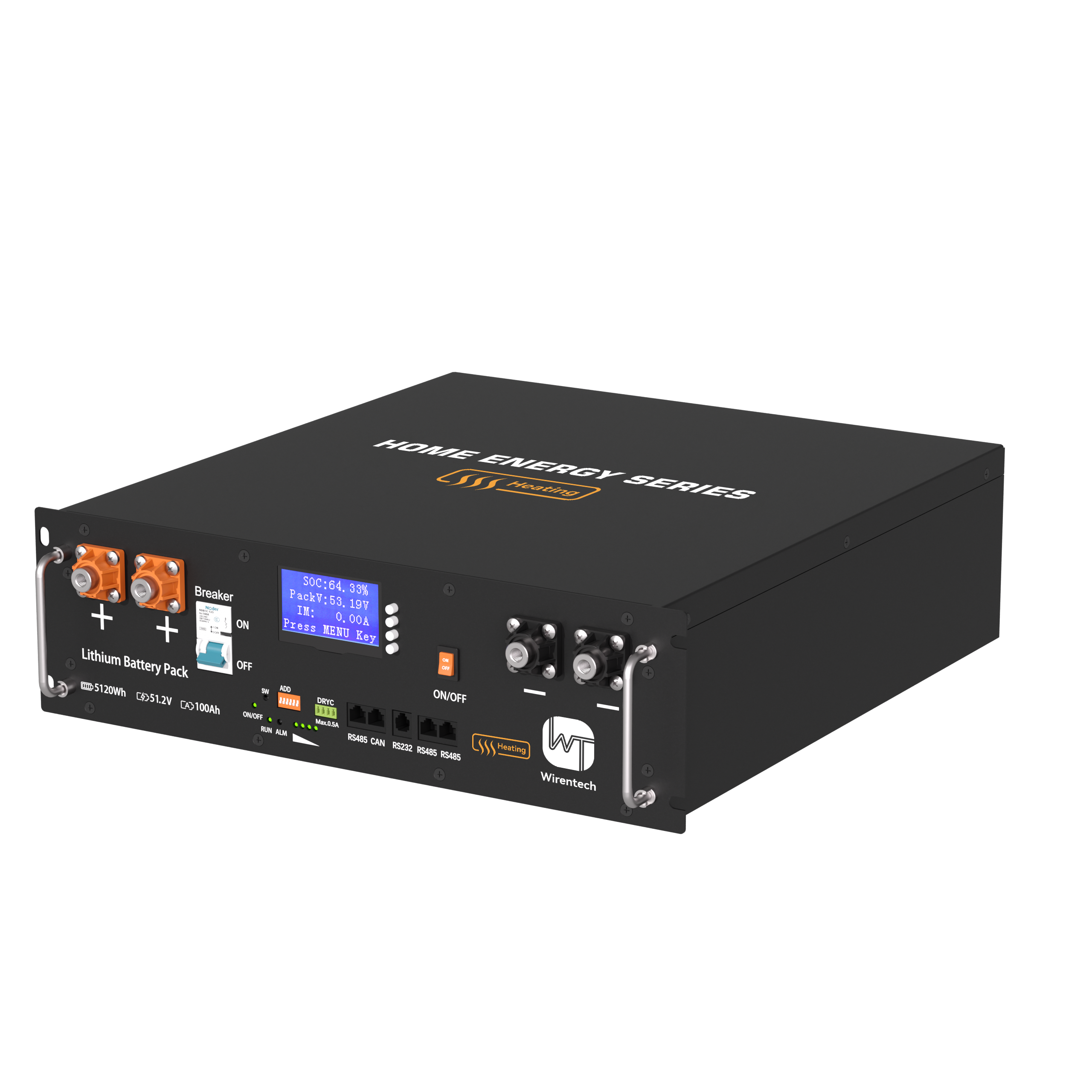
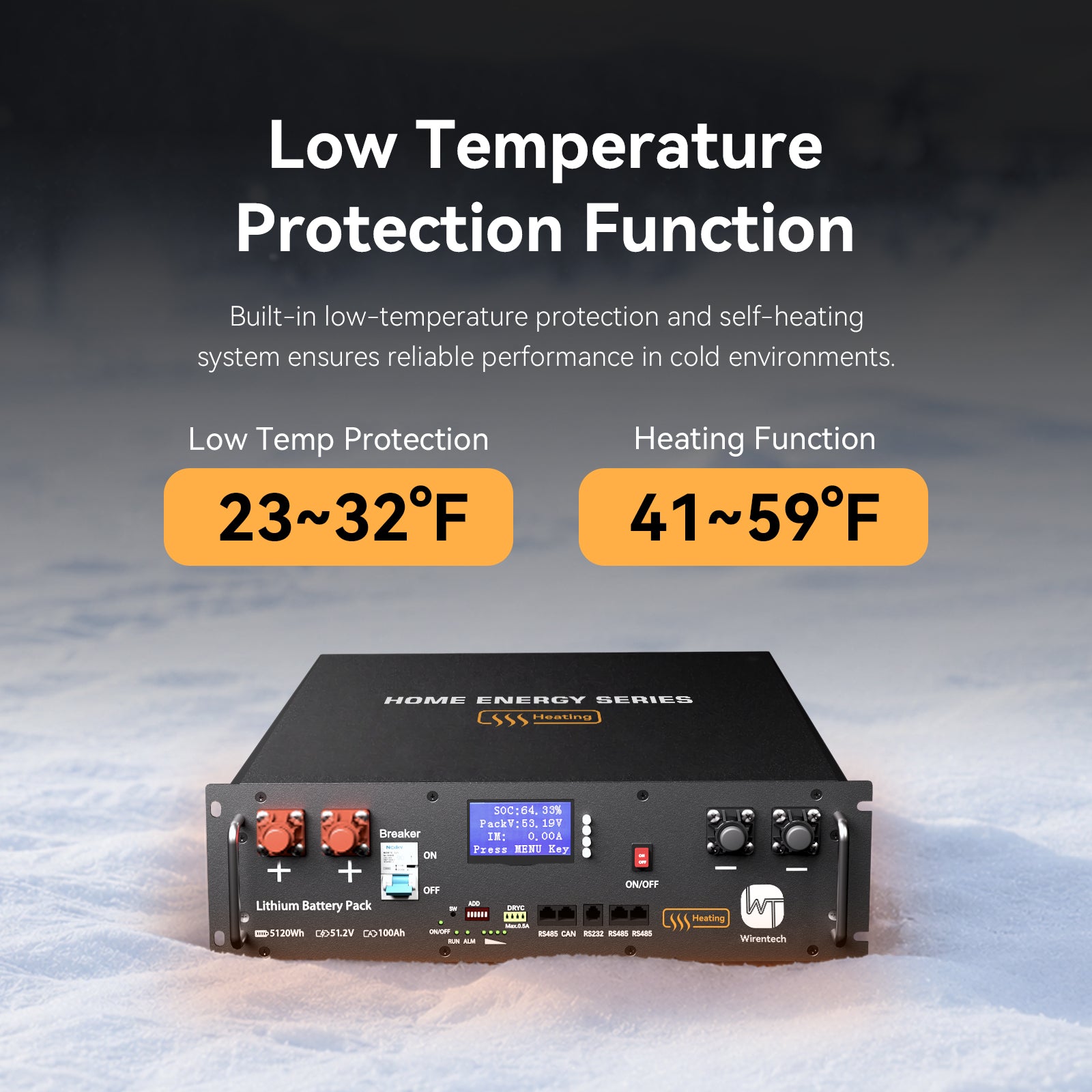
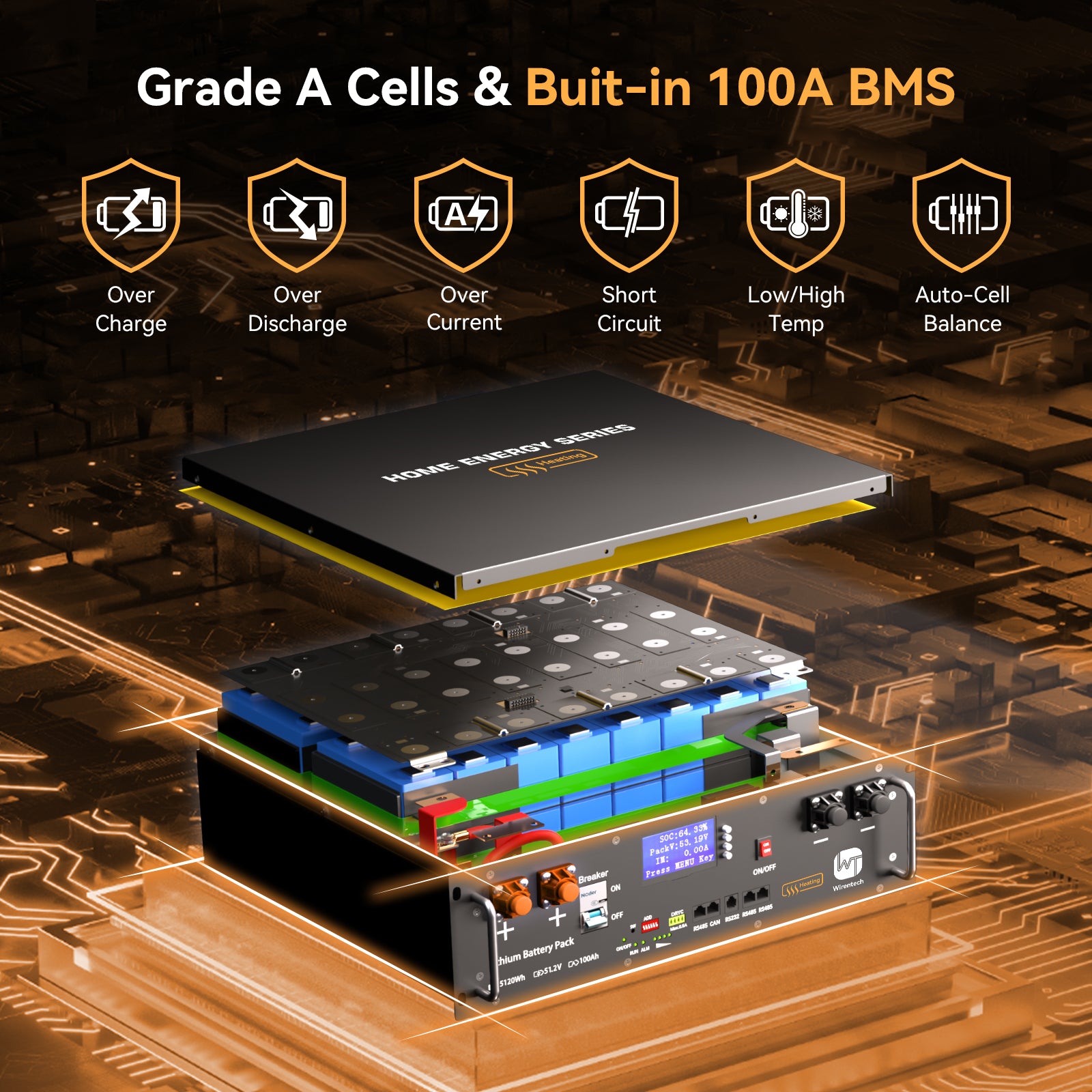
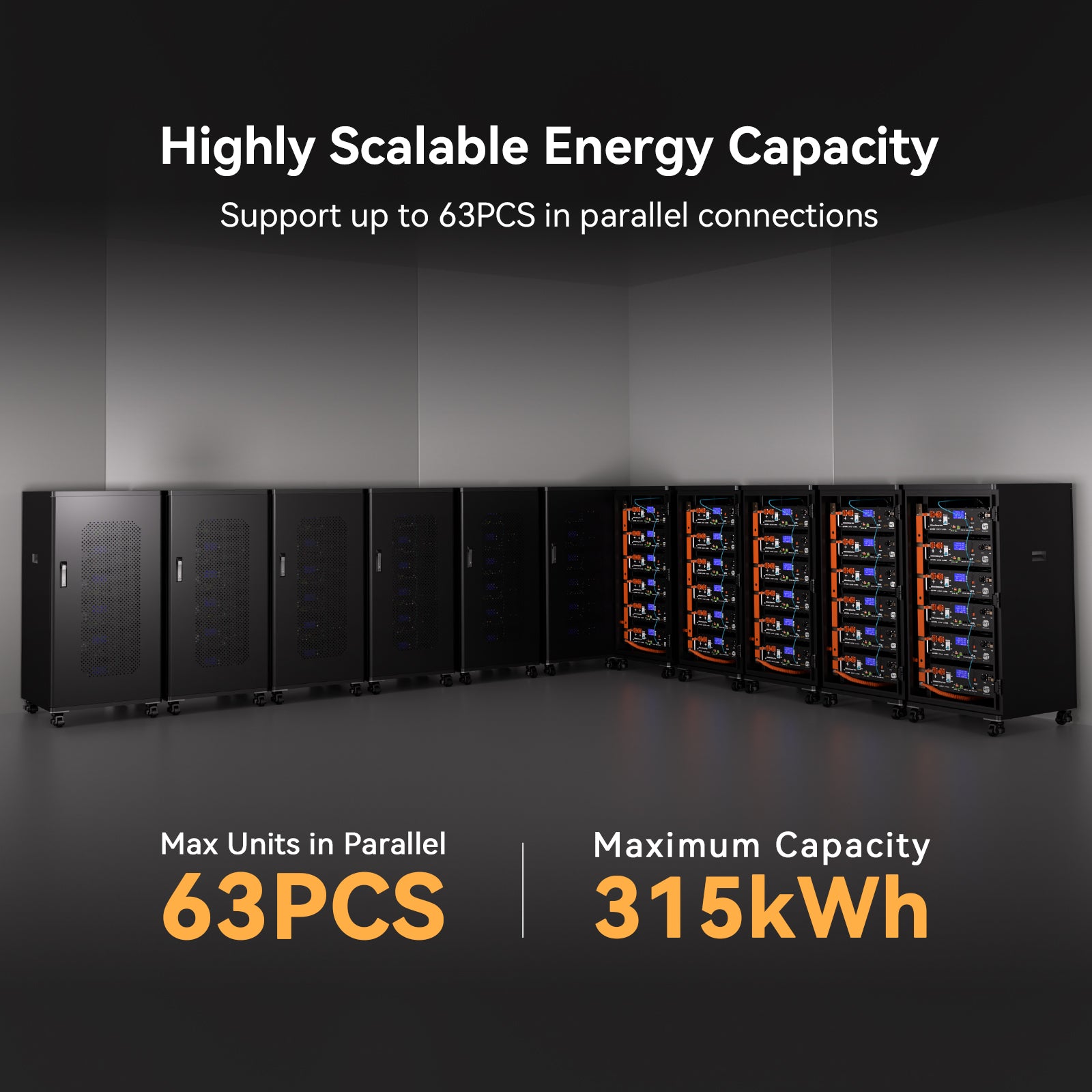
The current WT5100 UL product and manual identify a 51.2V 100Ah (5.12kWh) rack battery with a smart BMS, CAN/RS485 communication, a documented maximum of 63 units in parallel, 6000+ cycle wording, and a 10-year limited warranty. The product page links exact-model UL 1973 and module-level UL 9540A documents. Recheck the current revision and do not apply those documents to the separate self-heating model.
Review the current Wirentech WT5100 UL 51.2V 100Ah server rack battery for the transactional product details. Use the Wirentech energy storage batteries only when the reader still needs to compare formats or system sizes. Recheck both destinations, their canonical URLs, availability, included items, manuals, and warranty terms on publication day.
Save the Decision Record
Keep the load sample period, formula inputs, assumed reserve, inverter efficiency source, result range, and recharge conditions next to the calculation.
Date the record and identify the person responsible for each approval. If a model, firmware version, load, site condition, product page, manual, or certificate changes, reopen the affected row instead of assuming the earlier conclusion still applies.
Use the WT5100 Server Rack Battery pillar guide to place this decision in the complete series workflow.
Related next checks: LiFePO4 Server Rack Battery Buying Checklist and How Many Server Rack Batteries Do You Need?.
Frequently Asked Questions
What should I collect first for is a 5.12kWh battery enough for home backup?
Measure or estimate the average watts of the selected loads, note cycling behavior and startup events, and separate the nameplate battery energy from the energy expected at the AC outlets.
What result should make me pause?
Do not publish a single runtime promise, treat a refrigerator nameplate as continuous demand, or hide reserve and efficiency assumptions inside the answer.
What should stay with the project after the decision?
Keep the load sample period, formula inputs, assumed reserve, inverter efficiency source, result range, and recharge conditions next to the calculation.
Next Step
Complete the worksheet and resolve every hold item. Then review the Wirentech WT5100 UL 51.2V 100Ah server rack battery. Send Wirentech support the exact equipment labels, current manuals, settings or drawings, site photographs, and this article's decision record when an exact-model question remains.
![[Pre-Order] Wirentech 12kW Hybrid Solar Inverter with Bypass for Home Energy Storage](http://wirentechshop.com/cdn/shop/files/12bp_bdcf00b1-989c-4581-bd54-0974ab610f28.png?v=1788318623&width=2000)
![[Pre-Order] Wirentech 12kW Hybrid Solar Inverter with Bypass for Home Energy Storage](http://wirentechshop.com/cdn/shop/files/G01-purchase-overview-2000x2000_239b36c9-5789-4dde-ac70-4fa1f1710694.jpg?v=1788855790&width=2000)
![[Pre-Order] Wirentech 12kW Hybrid Solar Inverter with Bypass for Home Energy Storage](http://wirentechshop.com/cdn/shop/files/G02-application-fit-2000x2000_ed7587c3-7052-442c-8988-58b2b01e63c2.jpg?v=1788855790&width=2000)
![[Pre-Order] Wirentech 12kW Hybrid Solar Inverter with Bypass for Home Energy Storage](http://wirentechshop.com/cdn/shop/files/G03-solar-input-2000x2000_767280a4-e107-4dfe-9ecf-ae5577ec7c7c.jpg?v=1788855790&width=2000)


Share:
LiFePO4 Server Rack Battery Buying Checklist: 10 Checks Before You Order
How to Size an Off-Grid Solar System: Load Audit, Battery, PV and Backup