
When choosing a home energy storage battery, many homeowners compare two popular options:
- Server rack batteries
- Powerwall batteries
Both can store solar energy and provide backup power, but the way they are designed is different.
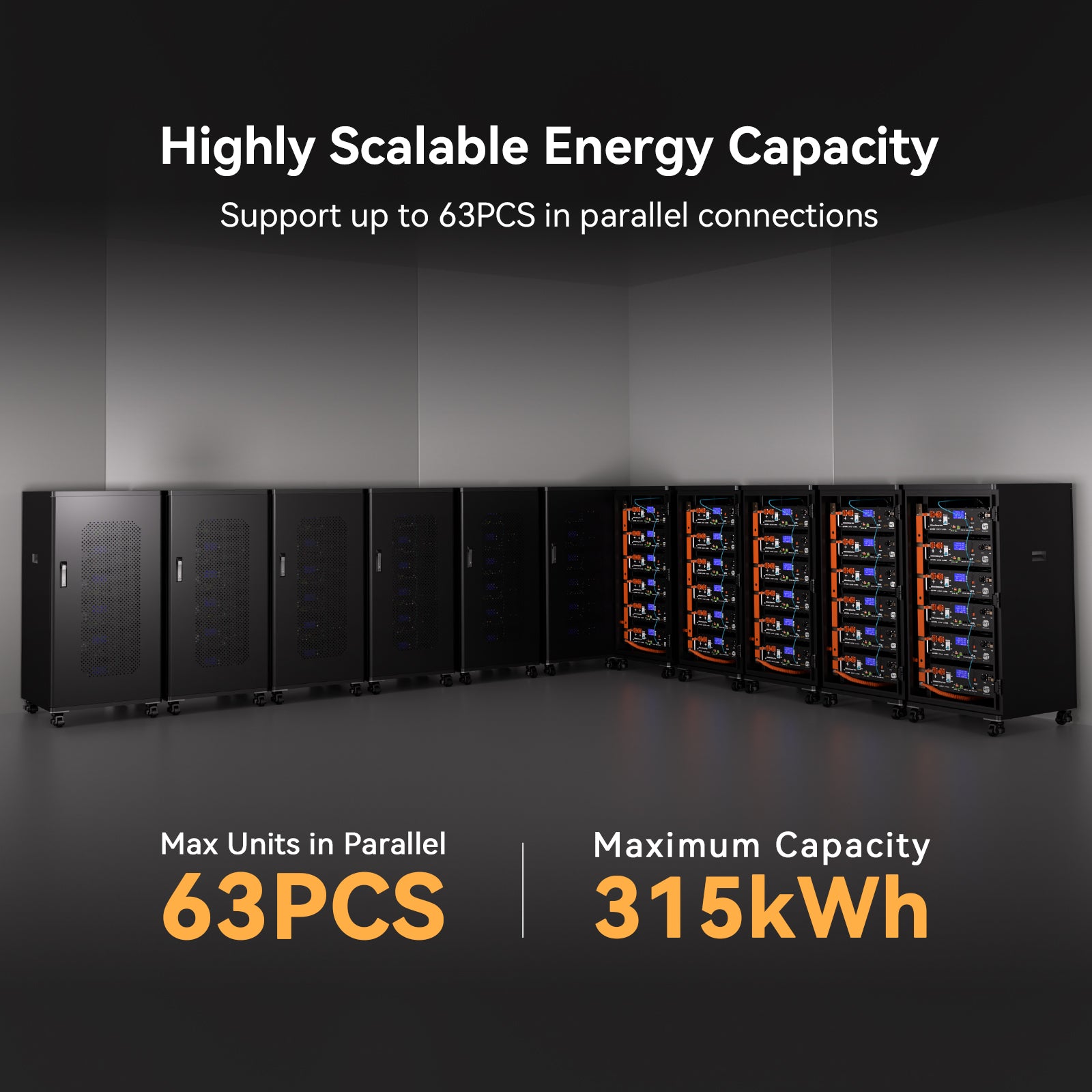
A server rack battery focuses on modular expansion. Users can start with a smaller system and add more battery modules as their energy needs grow.
A Powerwall battery focuses on providing a larger integrated storage solution in a single enclosure.
The better choice depends on your energy goals, installation space, and whether you want flexibility for future expansion.
Start With Your Home Energy Storage Plan
Before comparing battery designs, it is important to understand your overall system requirements.
If you are still deciding which home battery system is right for your application, read:
How to Choose the Right Home Energy Storage Battery
This guide covers:
- Rack battery vs wall-mounted battery
- Battery capacity planning
- Solar storage requirements
- Different residential energy storage configurations
What Is a Server Rack Battery?
A server rack battery is a modular LiFePO4 battery system designed for scalable energy storage.
Most residential rack batteries use a 51.2V architecture because it provides a good balance between efficiency, power output, and system scalability.
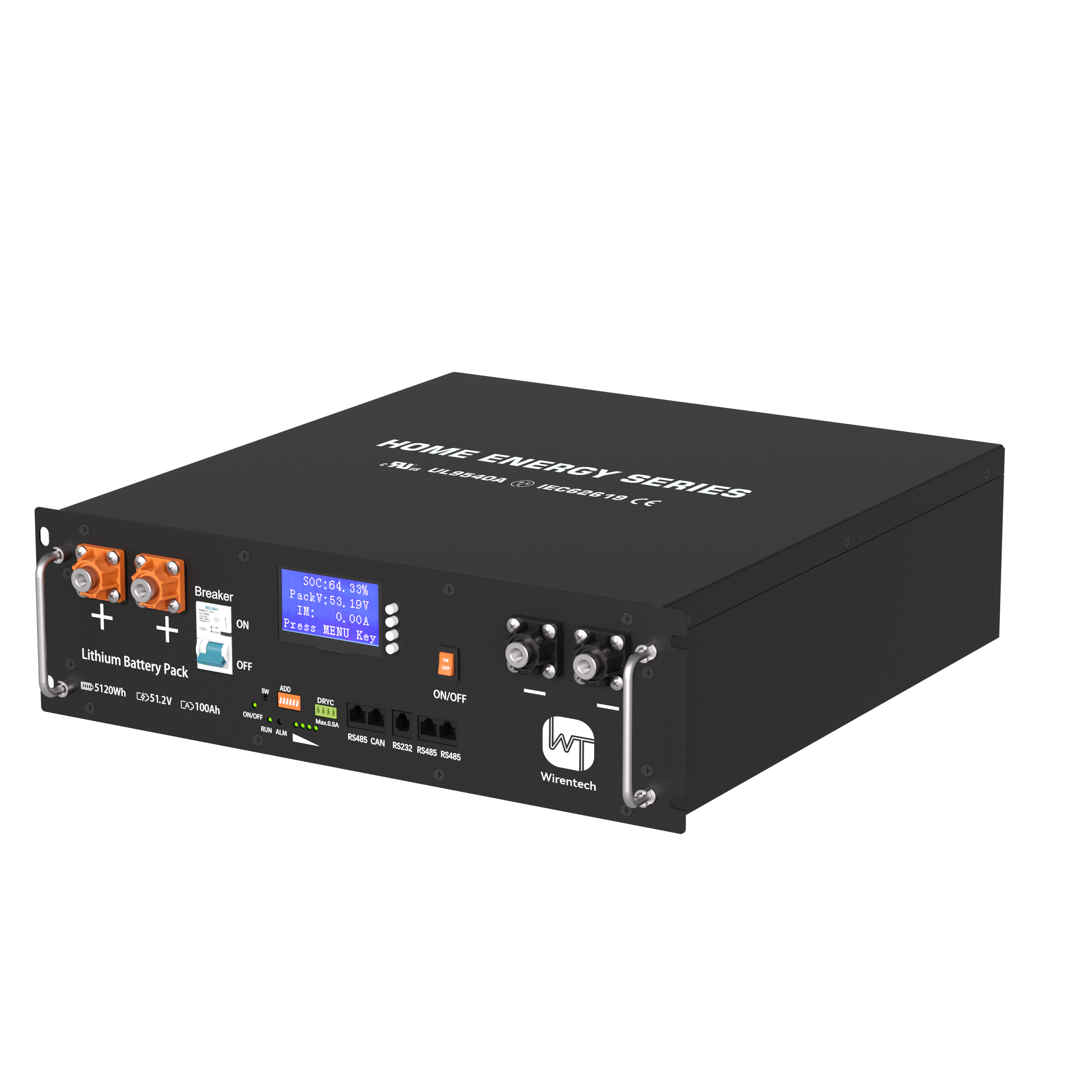
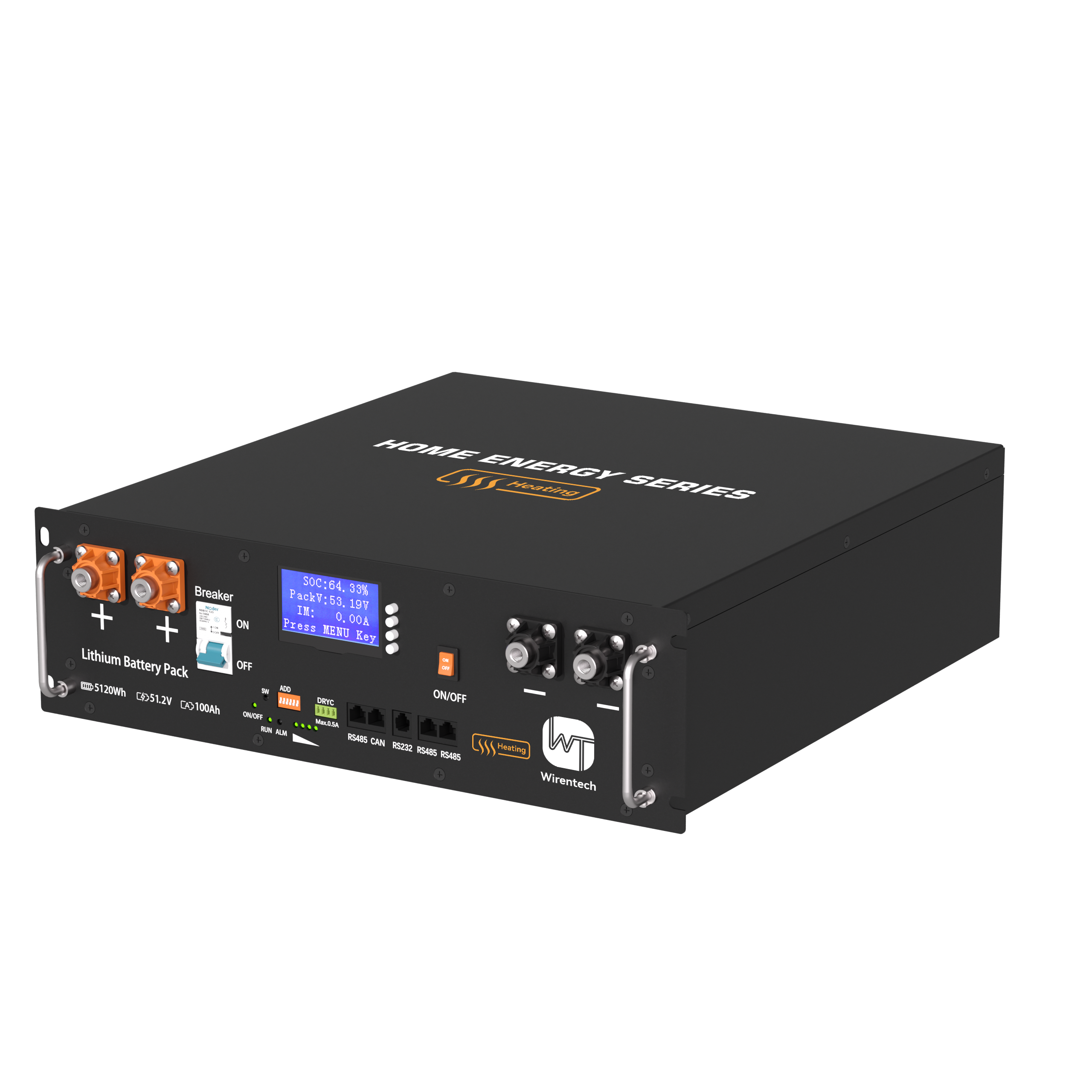
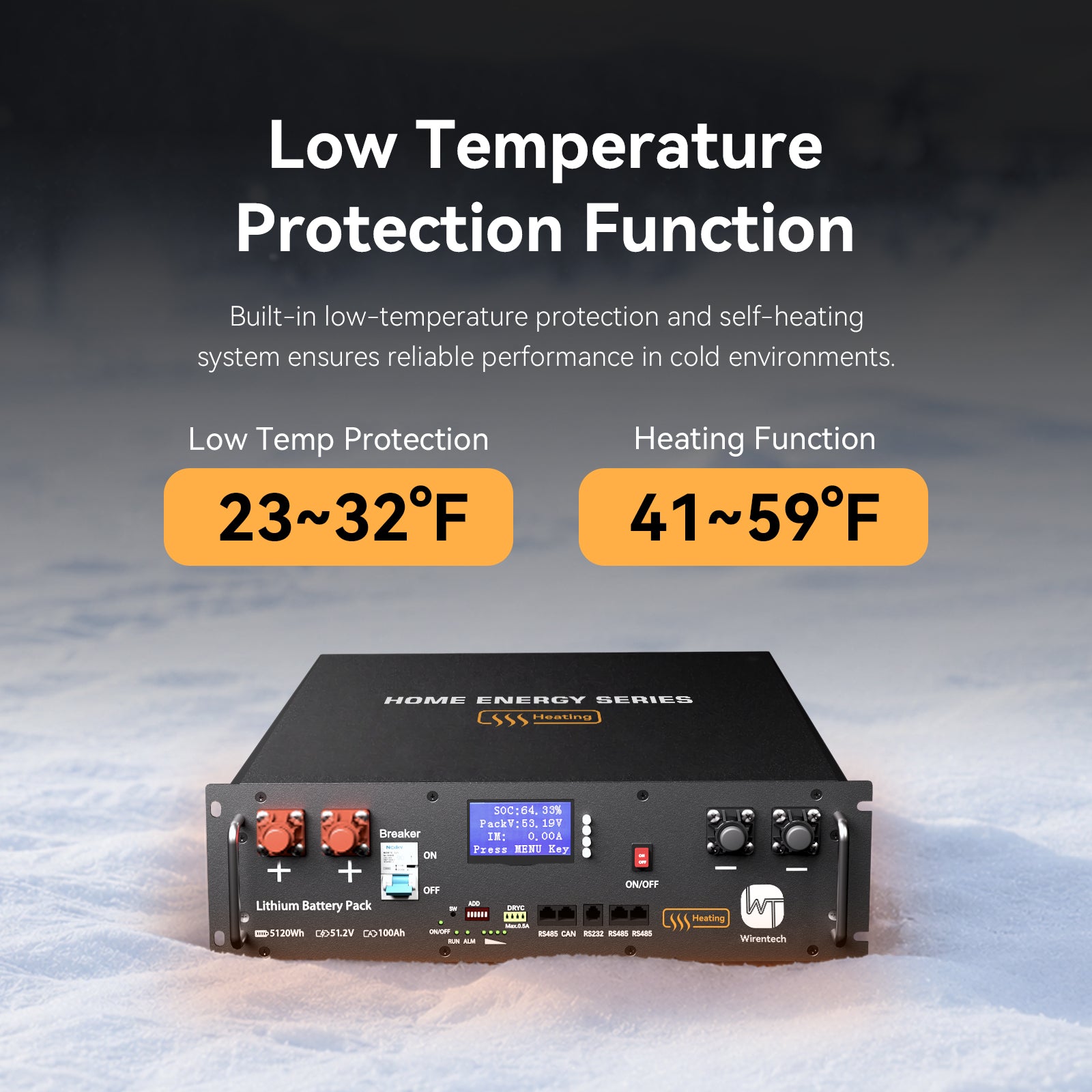
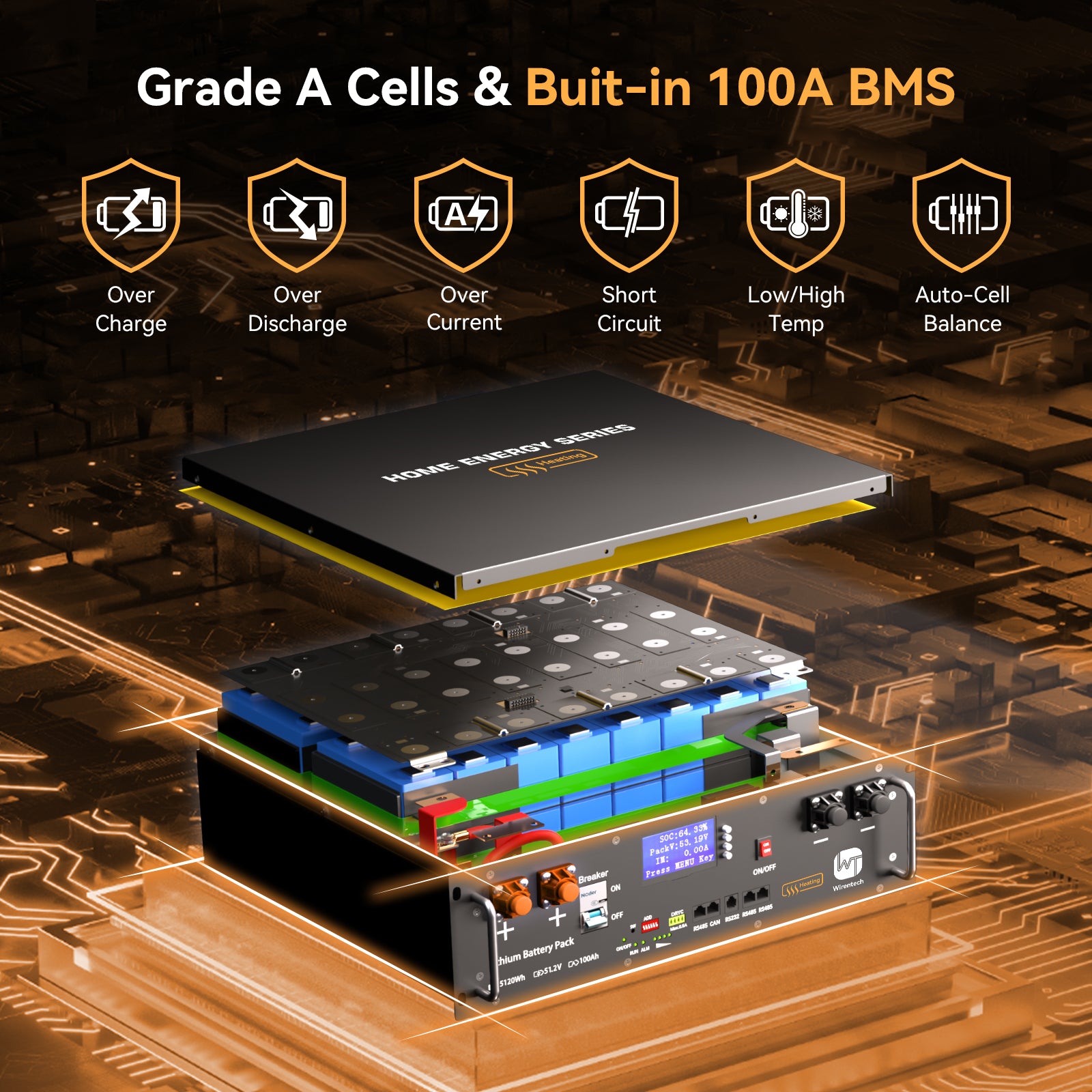
The Wirentech WT5100 is a 51.2V 100Ah rack battery designed for home energy storage and backup applications.
The main advantage of a rack battery is flexibility.
A homeowner can start with one battery and expand the system later.
What Is a Powerwall Battery?
A Powerwall battery is a larger residential energy storage system designed as a single battery unit.
Instead of combining multiple smaller modules, Powerwall-style batteries provide a larger amount of energy storage in one enclosure.
The Wirentech 51.2V 314Ah Powerwall Battery is designed for residential solar storage and backup power applications.
The main advantage of this design is higher capacity from a single battery unit.
Server Rack Battery vs Powerwall Battery Comparison
| Factor | Server Rack Battery | Powerwall Battery |
|---|---|---|
| Battery Design | Modular battery modules | Large integrated unit |
| Example Product | WT5100 51.2V 100Ah | 51.2V 314Ah Powerwall |
| Energy Capacity | 5.12kWh per module | 16.07kWh per unit |
| Expansion | Excellent | Depends on system design |
| Installation | Rack/cabinet | Wall-mounted or floor-standing |
| Starting Capacity | Flexible | Larger starting capacity |
| Best For | Growing systems | Fixed higher-capacity systems |
Capacity Difference: 5.12kWh Rack Battery vs 16.07kWh Powerwall
The biggest difference between these two battery solutions is how capacity is built.
A WT5100 rack battery provides:
5.12kWh per module
A homeowner can configure:
| Configuration | Total Capacity |
|---|---|
| 1 × WT5100 | 5.12kWh |
| 2 × WT5100 | 10.24kWh |
| 4 × WT5100 | 20.48kWh |
The 51.2V 314Ah Powerwall provides:
16.07kWh from one battery unit
This means the Powerwall option provides much more capacity from a single installation, while the rack battery option provides more flexibility in system sizing.
Who Should Choose a Server Rack Battery?
A server rack battery is usually the better choice for homeowners who want flexibility.
Choose a rack battery if you:
- Want to expand capacity over time
- Are unsure about future energy needs
- Plan to increase solar production
- Need a larger system in the future
- Prefer modular system design
For example:
A homeowner may start with one WT5100 battery for backup and later expand to a 10kWh or 20kWh system.
This approach allows gradual investment instead of purchasing maximum capacity immediately.
Who Should Choose a Powerwall Battery?
A Powerwall battery is usually the better choice for homeowners who want larger storage from one unit.
Choose the 51.2V 314Ah Powerwall if you:
- Want approximately 16kWh storage immediately
- Prefer wall-mounted or floor-standing installation
- Want fewer battery modules
- Have clearly defined energy requirements
This solution is suitable for homeowners who want a larger residential battery system without combining multiple rack batteries.
Rack Battery vs Powerwall Battery: Decision Guide
| Your Situation | Recommended Choice |
|---|---|
| Want future expansion | Server Rack Battery |
| Need flexible system sizing | Server Rack Battery |
| Building a 20kWh+ system | Server Rack Battery |
| Want one large battery unit | Powerwall Battery |
| Prefer wall-mounted installation | Powerwall Battery |
| Need around 16kWh storage immediately | Powerwall Battery |
Installation Differences Between Rack Battery and Powerwall
Installation style is another important difference.
Server Rack Battery Installation
Rack batteries are commonly installed in:
- Utility rooms
- Garages
- Battery cabinets
- Solar equipment areas
They are ideal for users who value flexibility and system customization.
Powerwall Battery Installation
Powerwall-style batteries are designed for:
- Residential appearance
- Cleaner installation
- Larger single-unit storage
The Wirentech 51.2V 314Ah Powerwall supports both wall-mounted and floor-standing installation, making it suitable for different home layouts.
Why Modular Rack Batteries Are Popular for Solar Storage
Energy requirements often change over time.
A homeowner may later add:
- More solar panels
- EV charging
- Additional appliances
- Larger backup requirements
A modular rack battery system allows users to increase storage capacity without replacing the entire battery system.
This makes rack batteries attractive for long-term energy planning.
Recommended Systems: WT5100 Rack Battery vs Powerwall Battery
Choose WT5100 Rack Battery
Best for:
- Flexible solar storage
- Expandable backup systems
- Users who want modular capacity planning
Typical configurations:
- 1 battery → 5.12kWh
- 2 batteries → 10.24kWh
- 4 batteries → 20.48kWh
Choose 51.2V 314Ah Powerwall Battery
Best for:
- Larger residential storage
- Single-unit installation
- Higher starting capacity
Key specifications:
- 16.07kWh energy storage
- 51.2V 314Ah configuration
- Wall-mounted or floor-standing installation
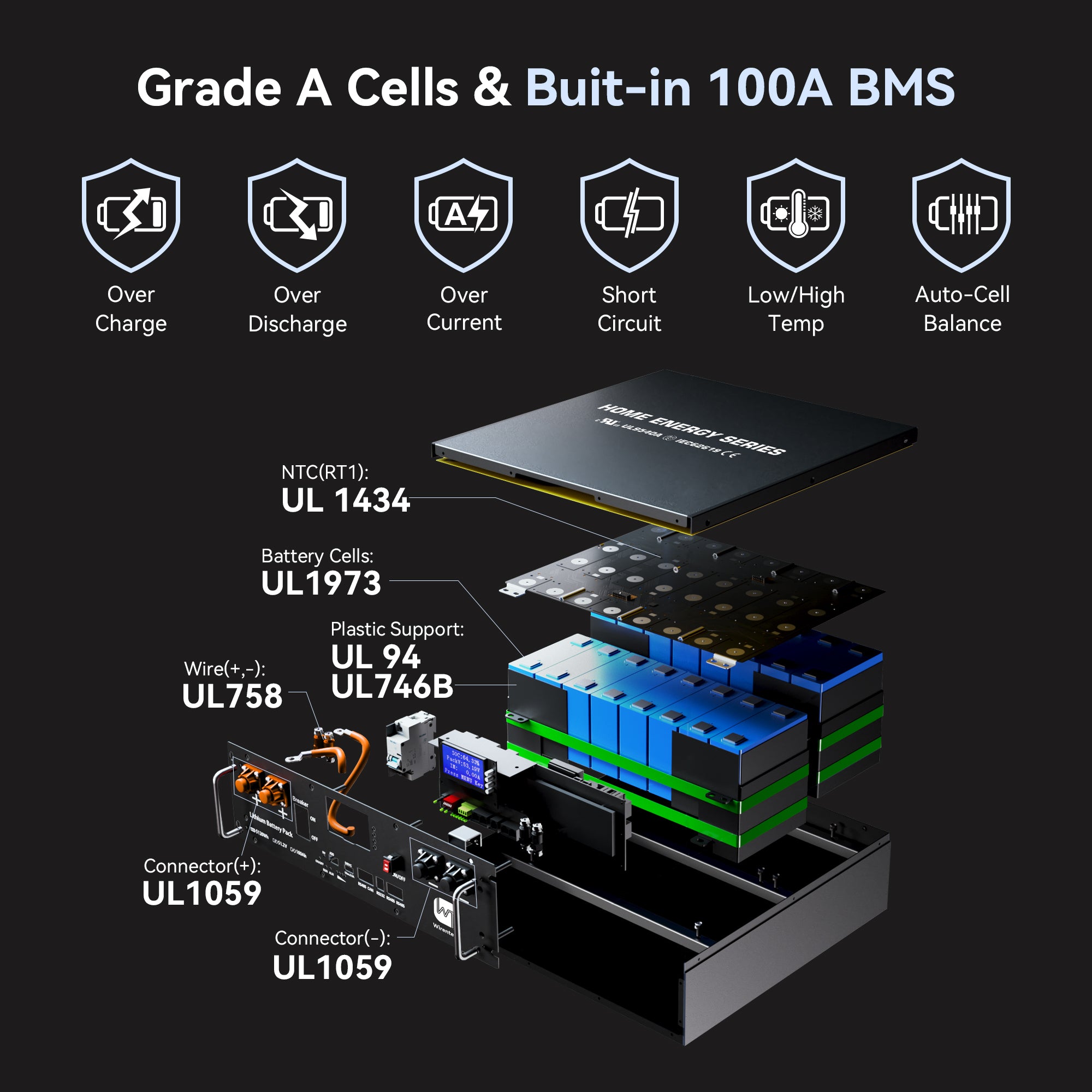
- Built-in BMS protection
How to Choose Between Server Rack Battery and Powerwall Battery
The decision depends on your priority.
Choose a server rack battery if:
- Expansion flexibility matters
- Your energy needs may increase
- You want to build your system gradually
Choose a Powerwall battery if:
- You want larger capacity immediately
- You prefer a single battery unit
- Your system requirements are already clear
The best battery is not the one with the largest capacity.
It is the one that matches your energy plan.
Final Decision: Server Rack Battery or Powerwall Battery?
For users who value flexibility:
Choose a server rack battery system.
For users who want larger capacity from one battery unit:
Choose a Powerwall battery system.
The key difference is:
Rack battery = scalable capacity
Powerwall battery = larger single-unit storage
Frequently Asked Questions
Is a server rack battery better than a Powerwall battery?
It depends on your needs. Rack batteries are better for expansion and flexibility, while Powerwall batteries are better for users who want larger integrated storage.
Can rack batteries be expanded later?
Yes. Rack battery systems are designed for modular expansion when supported by the inverter and system configuration.
Is a Powerwall battery easier to install?
A Powerwall-style battery can provide a simpler installation experience because it combines more components into one enclosure.
Which battery is better for solar storage?
For expandable solar systems, rack batteries provide more flexibility. For users who want a larger single-unit solution, a Powerwall battery may be a better fit.
Product Selection Support
Choosing between a server rack battery and a Powerwall battery depends on:
- Energy consumption
- Backup requirements
- Installation space
- Solar system size
- Future expansion plans
Wirentech can help you select the right battery configuration for your home energy storage system.
![[Pre-Order] Wirentech 12kW Hybrid Solar Inverter with Bypass for Home Energy Storage](http://wirentechshop.com/cdn/shop/files/12bp_bdcf00b1-989c-4581-bd54-0974ab610f28.png?v=1788318623&width=2000)
![[Pre-Order] Wirentech 12kW Hybrid Solar Inverter with Bypass for Home Energy Storage](http://wirentechshop.com/cdn/shop/files/G01-purchase-overview-2000x2000_239b36c9-5789-4dde-ac70-4fa1f1710694.jpg?v=1788855790&width=2000)
![[Pre-Order] Wirentech 12kW Hybrid Solar Inverter with Bypass for Home Energy Storage](http://wirentechshop.com/cdn/shop/files/G02-application-fit-2000x2000_ed7587c3-7052-442c-8988-58b2b01e63c2.jpg?v=1788855790&width=2000)
![[Pre-Order] Wirentech 12kW Hybrid Solar Inverter with Bypass for Home Energy Storage](http://wirentechshop.com/cdn/shop/files/G03-solar-input-2000x2000_767280a4-e107-4dfe-9ecf-ae5577ec7c7c.jpg?v=1788855790&width=2000)


Share:
Do You Need a Self-Heating LiFePO4 Battery?
5kWh vs 16kWh Home Battery: Which Size Is Right for Your Home?